
The Silent War on Rural America: How California's Gerrymandering Betrays Democratic Principles
Published
- 3 min read
The Facts: Proposition 50 and Its Consequences
California’s passage of Proposition 50 represents one of the most aggressive partisan gerrymanders in recent American history, deliberately designed to flip five Republican congressional seats to Democratic control. The newly drawn maps effectively dismantle the conservative stronghold of Northern California’s First Congressional District, stretching from the Oregon border through the agricultural heartland of the Sacramento Valley. This region, represented by Republican Doug LaMalfa since 2013, will now be combined with liberal Wine Country areas north of San Francisco, creating a district that political prognosticators estimate will turn blue in the next election cycle.
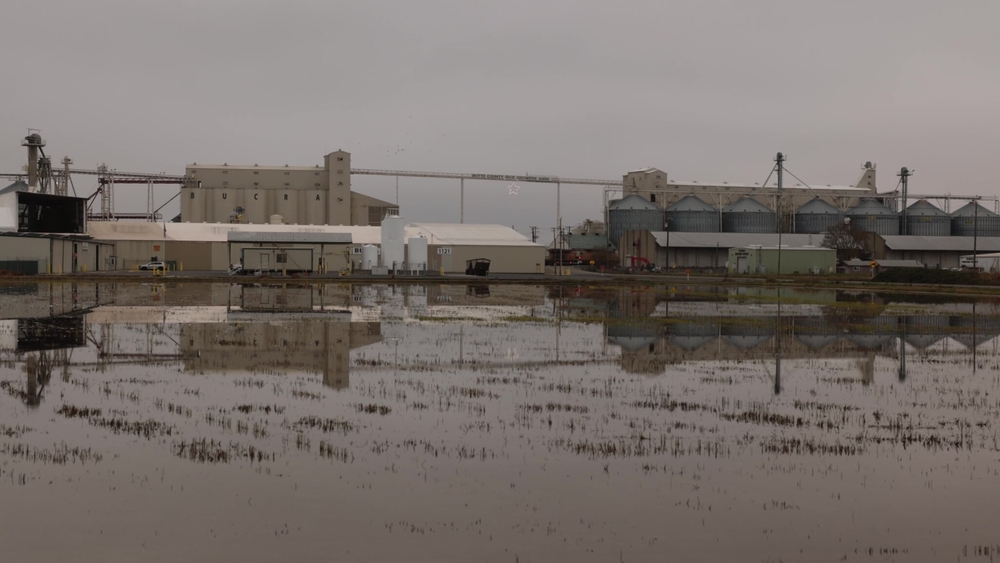
The impact on rural communities like Richvale (population 234) is profound. These agricultural towns, where rice farmers, walnut growers, and cattle ranchers have maintained a way of life for generations, now face representation by politicians who may never have experienced the challenges of rural existence. The redistricting splits communities that have historically shared economic and cultural bonds, forcing them into districts where their concerns about water rights, agricultural regulations, and rural infrastructure will be drowned out by urban priorities.
Democratic State Senator Mike McGuire from Geyserville has already announced his intention to run in the redrawn district, while Republican Representative Doug LaMalfa faces near-certain political extinction despite his deep roots in the farming community. The situation mirrors redistricting battles happening nationwide, with both parties engaging in what has become an escalating arms race of political map manipulation.
The Human Cost: Voices from the Heartland
In towns like Richvale, Orland, and Willows, the reaction to this political earthquake ranges from anguish to resignation. These are communities where neighbors volunteer as firefighters, remember each other’s birthdays, and maintain the cafe as a nonprofit to ensure solitary farmers have a place to gather. When DaNell Millerberg, manager of the Richvale Cafe, reopened during the pandemic after seeing how isolation affected 101-year-old Lloyd Horn, she demonstrated the community interdependence that defines these towns.
The residents interviewed express a profound sense of being misunderstood and undervalued by urban politicians who “siphon away their water and prioritize environmental regulations that undercut farmers’ livelihoods.” Chris Culp, a retired Navy officer from Willows, captured the sentiment perfectly: “Somebody from Santa Rosa, Oakland, they’re not going to understand, and honestly I don’t think they’re going to take the time to get educated about what’s going on up here.”
This isn’t merely about political preference—it’s about representation that understands the material realities of agricultural life. When Representative LaMalfa drives through his 1,900 acres of rice fields or presents bills to fund rural schools, he operates from lived experience. The concern among constituents is that replacement representation will prioritize urban environmental concerns over agricultural viability, potentially threatening the economic foundation of entire communities.
The National Context: Gerrymandering as Political Warfare
Governor Gavin Newsom’s defense of the gerrymander—that it came in response to former President Trump urging Texas to eliminate Democratic-held seats—illustrates how this practice has become tit-for-tat political warfare. What should be a neutral process ensuring fair representation has degenerated into a cycle of retaliation where citizens become collateral damage.
The article notes that Democratic voters in Republican-controlled states like Missouri and North Carolina face similar disenfranchisement, creating a national pattern where map-drawing has become more about securing partisan advantage than serving democratic principles. In eastern North Carolina, Representative Don Davis, a Democrat representing a region with many Black voters, will likely lose his seat due to Republican redistricting.
This race to the bottom in redistricting represents a fundamental corruption of our democratic institutions. When both major parties engage in the practice, they normalize the disenfranchisement of American citizens and undermine faith in the entire political system.
The Constitutional Betrayal: Why This Matters for Democracy
What’s happening in Northern California isn’t just politics as usual—it’s a direct assault on the foundational principle of representative government. The Constitution guarantees equal protection and representation, yet gerrymandering transforms voters into political pawns rather than sovereign citizens. When we allow politicians to choose their voters rather than voters choosing their representatives, we invert the very logic of democracy.
The rural-urban divide in California reflects a national phenomenon where cultural and economic differences create legitimate differences in policy priorities. Democratic systems are designed to mediate these differences through fair representation, not to eliminate dissenting voices through cartographic manipulation.
The farmers of Richvale have every right to representation that understands their unique challenges with water rights, agricultural regulations, and rural infrastructure. Dismissing their concerns as merely partisan misses the profound democratic principle at stake: every American community deserves a voice in our government.
The Hypocrisy of Selective Outrage
What’s particularly galling about this situation is the selective outrage from political actors. Democrats who rightly condemn gerrymandering in Republican-controlled states become enthusiastic practitioners when they hold power. This bipartisan hypocrisy reveals that the problem isn’t principle—it’s power. Both parties have demonstrated they will sacrifice democratic norms when it serves their political interests.
Governor Newsom’s justification that “they started it” would be laughable if the consequences weren’t so serious. Grown adults responsible for governing the world’s fifth-largest economy are engaging in the political equivalent of a schoolyard taunt while dismantling the representational rights of citizens.
The farmers interviewed understand this hypocrisy intuitively. They recognize that they’ve become casualties in a political war where their voices are considered expendable. When Chris Culp notes that Wine Country Democrats might try to relate by pointing out they grow grapes too, his response—“it’s not the same thing”—captures the profound cultural and economic distance between these worlds.
The Path Forward: Principles Over Partisanship
The solution to this democratic crisis cannot be more sophisticated gerrymandering or better retaliation. We need fundamental reform that returns map-drawing to independent, nonpartisan commissions with clear criteria prioritizing community integrity and competitive districts. States like Michigan and Arizona have demonstrated that citizens commissions can produce fair maps that respect voters rather than treating them as political assets.
Beyond procedural reform, we need a renewed commitment to the principle that all American communities deserve meaningful representation. The farmers of Northern California contribute to our national wealth and food security—they shouldn’t be relegated to second-class citizenship because their political preferences inconvenience urban power brokers.
What’s ultimately at stake in Richvale is bigger than California politics—it’s whether our democracy can accommodate diverse ways of life and legitimate differences in perspective. When we gerrymander communities into silence, we don’t just harm those immediately affected; we damage the integrity of our entire political system.
The courage shown by DaNell Millerberg in reopening the Richvale Cafe during the pandemic to combat loneliness exemplifies the community values that should inform our politics. Instead, we have a system that treats such communities as problems to be managed rather than partners in governance.
Conclusion: Reclaiming Democratic Integrity
The gerrymandering of Northern California represents a failure of democratic leadership and a betrayal of constitutional principles. Regardless of which party benefits, the practice undermines the legitimacy of our government and deepens the divisions tearing at our social fabric.
As citizens committed to democracy, we must demand better. We should support national standards for fair redistricting, advocate for independent commissions in every state, and hold politicians accountable when they put partisan advantage above democratic integrity. The farmers of Richvale may lose their congressional representation in the next election, but if we allow this practice to continue unchecked, we all lose something far more valuable: faith in the idea that every American voice matters.
The quiet courage of people like Lloyd Horn, who at 101 still comes to the cafe daily, reminds us that democracy isn’t about abstract principles—it’s about real people living real lives. When we sacrifice their representation for political convenience, we sacrifice something essential about what it means to be American. The time has come to reject gerrymandering in all its forms and reclaim the democratic promise that every community deserves a voice.