
The Silent Epidemic: Lyme Disease's Alarming Expansion Into Nevada Demands Immediate Action
Published
- 3 min read
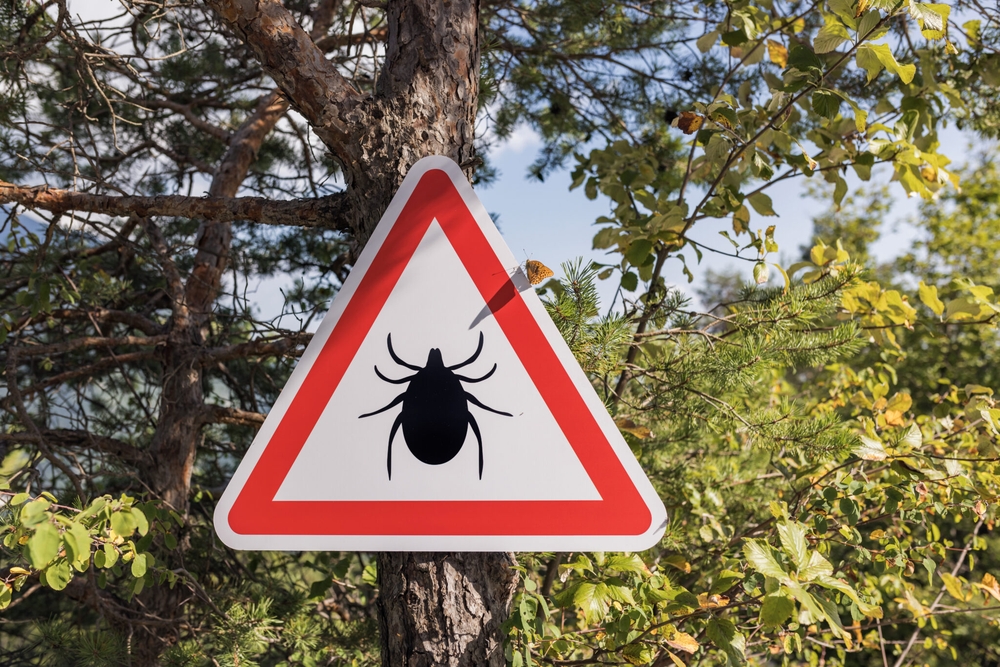
The Growing Threat in Northern Nevada
Northern Nevada is facing a public health crisis that few saw coming. In 2024, Washoe County witnessed a staggering 38% increase in reported Lyme disease cases, jumping from eight to eleven cases compared to the previous year. This disturbing trend represents a year-over-year increase since 2020, according to tracking data from the Northern Nevada Public Health office. What makes this development particularly concerning is that these numbers likely represent just the tip of the iceberg—public health officials acknowledge that the true number of cases may be significantly higher due to widespread underreporting.
The challenge in tracking Lyme disease lies in its deceptive nature. Symptoms often mimic those of other common illnesses, and typically only patients with the most severe outcomes undergo testing. This diagnostic difficulty creates a dangerous gap in our understanding of the disease’s true prevalence and impact on communities.
Understanding Lyme Disease Transmission and Symptoms
Lyme disease is transmitted through the bite of infected black-legged ticks, commonly known as deer ticks. These tiny vectors must remain attached for 24 to 48 hours to spread the illness, making early detection crucial. During their nymph stage, when they are most active, black-legged ticks are approximately the size of a poppy seed—easily overlooked during outdoor activities.
The disease presents with a characteristic “bulls-eye” rash in about 80% of cases, but the absence of this telltale sign often leads to misdiagnosis. Early symptoms include flu-like manifestations: fever, chills, headache, fatigue, muscle and joint aches, and swollen lymph nodes. Without proper treatment, the disease can progress to more serious complications affecting joints, the nervous system, and even the heart for weeks or months after the initial bite. Delays in treatment significantly increase the risk of chronic illness, creating lifelong health challenges for victims.
National Context and Climate Change Connections
This Nevada outbreak reflects a broader national crisis. Americans are seeking emergency care for tick bites at the highest levels since 2017, according to Centers for Disease Control and Prevention data. Historically concentrated in eastern and upper mid-western states, Lyme disease has dramatically expanded its range since 1995, now reaching areas where residents are less familiar with prevention methods and risks.
Climate change plays a significant role in this expansion. Milder winters and longer warm seasons have allowed ticks to thrive in previously inhospitable regions. Black-legged ticks carrying Lyme disease are most active when temperatures exceed 45 degrees Fahrenheit and thrive in areas with at least 85% humidity. While Nevada’s arid climate provides some natural protection, the changing climate patterns are creating new opportunities for these disease vectors to establish footholds.
Local Cases and Surveillance Challenges
The situation in Northern Nevada presents particular concerns. In July 2024, Carson City Health and Human Services confirmed a Lyme disease case in a person who had not traveled outside Northern Nevada in the four weeks before symptom onset—suggesting local transmission rather than imported cases. This represents a significant shift in the disease’s pattern in the region.
However, most 2024 cases in Northern Nevada still involved people who had recently traveled out of state. Eight of the eleven documented cases had travel history or recent relocation, with some diagnoses originating from outside Nevada. The remaining three cases had no identifiable exposure source, indicating unknown infection origins—a troubling development for public health officials.
Some cases involved travel to Northern California, an area recently identified by the Johns Hopkins Lyme Disease Research Center as an underreported region not fully captured by traditional CDC surveillance methods. This highlights significant gaps in our national disease tracking infrastructure.
Data Collection Limitations
Epidemiologist Liliana Wilbert of Northern Nevada Public Health emphasizes the challenges in tracking Lyme disease across state borders. Case counts are attributed to the individual’s place of residence rather than the location where exposure occurred, creating potentially skewed data without clear answers. This reporting methodology obscures the true geographic distribution of risk and hampers effective prevention efforts.
Another puzzling aspect of the Nevada data shows that 73% of reported cases were among women. While the reasons for this disparity remain unclear, it underscores the need for more sophisticated surveillance and research into disease patterns and vulnerabilities.
Prevention Strategies and Public Education
Northern Nevada Public Health Department emphasizes that prevention remains the most effective strategy against Lyme disease. Minimizing contact with ticks and their habitats, particularly in densely vegetated areas, is crucial. Recommended precautions include wearing long-sleeved shirts and closed-toe shoes, using permethrin-treated clothing, applying EPA-registered insect repellent to exposed skin, and conducting daily tick checks. Showering within two hours of outdoor activity can help remove ticks before they attach.
A Call to Action: Confronting a Growing Public Health Emergency
The expanding reach of Lyme disease into Nevada represents more than just a statistical anomaly—it signals a fundamental shift in our public health landscape that demands immediate and comprehensive response. This isn’t merely about tracking cases; it’s about protecting American families from a debilitating illness that can alter lives forever.
The constitutional commitment to “promote the general welfare” must include robust public health infrastructure capable of addressing emerging threats like Lyme disease. The fact that this illness has been allowed to spread virtually unchecked into new regions represents a failure of foresight and preparation at multiple levels of government.
Climate change’s role in this expansion cannot be ignored or minimized. The same environmental changes enabling ticks to thrive in new areas threaten multiple aspects of public health and security. Addressing this requires not just better medical responses but comprehensive environmental policies that acknowledge the interconnectedness of human health and ecological stability.
The surveillance gaps identified by health officials like Liliana Wilbert are particularly alarming. In a nation with the world’s most advanced medical technology, we should not be relying on incomplete data to track dangerous diseases. The attribution of cases to residence rather than exposure location creates distorted risk maps that leave communities vulnerable and uninformed. This represents both a technical failure and a moral failing—we owe citizens accurate information about health risks in their areas.
The gender disparity in cases, while unexplained, highlights another critical aspect of public health: we must ensure our disease surveillance and research systems are sophisticated enough to detect and explain patterns that might indicate broader social or biological vulnerabilities. When 73% of cases affect one gender, we have an obligation to investigate why and ensure prevention efforts address any disproportionate risks.
Prevention education must become more aggressive and widespread. The recommendation to wear protective clothing and conduct tick checks is practical advice, but it’s insufficient against a growing epidemic. We need public awareness campaigns on the scale of those deployed for other health threats, ensuring that every citizen in at-risk regions understands the dangers and prevention strategies.
Moreover, the medical community must address the diagnostic challenges that lead to underreporting and misdiagnosis. When only the most severe cases get tested and counted, we’re effectively fighting this disease with one hand tied behind our backs. Better diagnostic protocols and increased physician education about Lyme disease in newly affected regions are essential components of an effective response.
The expansion of Lyme disease into Nevada serves as a warning sign—a canary in the coal mine for how climate change and ecological shifts will continue to affect public health. We have an obligation to future generations to address these challenges with the seriousness they deserve, combining scientific rigor with compassionate care for those affected.
This is not just a medical issue; it’s a matter of fundamental rights. Americans have the right to accurate information about health risks, the right to effective prevention resources, and the right to proper medical care when prevention fails. The steady creep of Lyme disease into new territories tests our commitment to these rights and our capacity to protect citizens from evolving threats.
As we move forward, we must demand better from our public health institutions, more research funding for vector-borne diseases, and smarter policies that address the root environmental causes of this expansion. The freedom to enjoy the outdoors without fear of debilitating illness is something worth protecting—and it will require vigilance, investment, and political will to ensure that protection remains effective in a changing world.