
The Sacrifice of Sage-Grouse: How Land Management Decisions Threaten an Iconic Species and Democracy's Environmental Foundations
Published
- 3 min read
The Facts: A Radical Shift in Land Management Policy
The Bureau of Land Management (BLM), under the Trump administration, has announced sweeping modifications to greater sage-grouse land use plans across approximately 50 million acres of sagebrush habitat spanning eight Western states: Idaho, Montana, North Dakota, South Dakota, Nevada, California, Utah, and Wyoming. This dramatic policy shift represents one of the most significant changes to public land management in recent years, fundamentally altering conservation protections that have been in place since the early 2010s when the greater sage-grouse became eligible for Endangered Species Act protections.
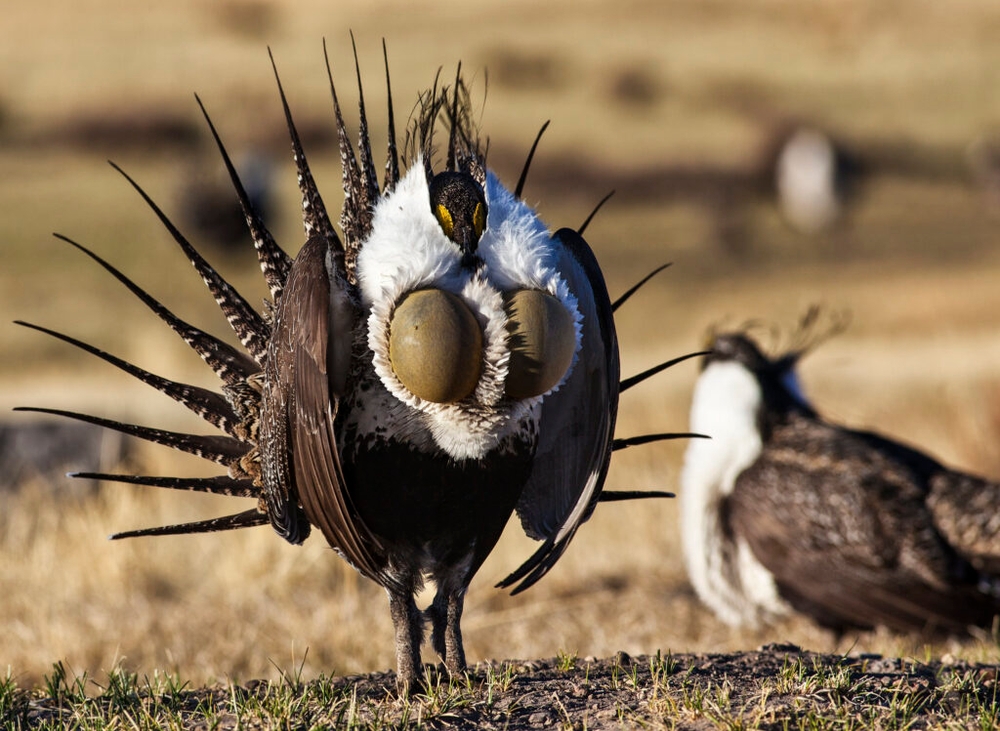
The greater sage-grouse, an iconic species of the Intermountain West known for its distinctive mating dance and cultural significance, has experienced catastrophic population decline from millions to fewer than 800,000 birds today. This decline is primarily attributed to habitat loss exacerbated by drought, increasing wildfires, and the spread of invasive species. The new BLM plan eliminates critical protections, including removing safeguards from 4.3 million acres of prime sage-grouse habitat and reducing protected habitat in Utah. Particularly alarming are the changes that remove grass-height standards for nesting habitat—a concession to livestock industry pressure that further threatens the birds’ survival.
The Context: Balancing Conservation and Development
The greater sage-grouse has long served as a symbol of the complex balance between conservation and economic development in Western states. Since the Obama administration, federal agencies have attempted to craft land management plans that would protect the species while allowing for responsible energy development. The current modifications represent a radical departure from this balanced approach, prioritizing energy and mineral extraction over species survival.
Acting BLM director Bill Groffy stated that the plan aims to “strengthen American energy security while ensuring the sage-grouse continues to thrive,” claiming it supports “the economies that make the West strong.” However, environmental organizations like the Center for Biological Diversity have condemned the changes as stripping essential protections and planning to sue the administration over the amendments. The plan specifically facilitates projects like the Greenlink North transmission line in Nevada, which environmentalists warn would destroy critical nesting and mating grounds.
The Assault on Environmental Protections and Democratic Values
This decision represents more than just a policy change—it constitutes a fundamental assault on the environmental protections that form the bedrock of responsible governance. The manipulation of land management plans to favor corporate interests over species survival demonstrates a dangerous disregard for the scientific consensus and conservation principles that should guide public land management. When government agencies charged with stewardship instead become facilitators of environmental degradation, they betray their mission and the public trust.
The greater sage-grouse situation epitomizes the broader crisis in environmental governance where short-term economic interests consistently override long-term conservation needs. This pattern of prioritizing extraction over sustainability threatens not just one species but the entire ecological balance of Western ecosystems. The sagebrush sea supports hundreds of wildlife species, and its degradation represents a loss of biodiversity that cannot be easily restored.
The Democratic Imperative of Environmental Stewardship
True democracy requires that government decisions reflect not just corporate interests but the broader public good, which includes environmental protection and intergenerational equity. The systematic dismantling of environmental protections for endangered species represents a failure of democratic governance. When administrative decisions are made without adequate scientific consultation and public input, they undermine the very principles of transparent and accountable government.
The Center for Biological Diversity’s Randi Spivak correctly noted that “every president starting with Obama has screwed over these iconic Western birds,” highlighting the persistent failure of successive administrations to adequately protect this species. However, the current administration’s actions represent an acceleration of this neglect, moving from inadequate protection to active habitat destruction.
The Moral Dimensions of Species Protection
Beyond legal and policy considerations, there exists a moral imperative to protect endangered species like the greater sage-grouse. These creatures represent not just biological diversity but cultural heritage and ecological integrity. Their deliberate sacrifice for energy development reflects a utilitarian calculus that values immediate economic gain over environmental ethics and stewardship responsibilities.
The removal of grass-height standards for nesting habitat particularly illustrates the administration’s willingness to capitulate to industry pressure at the expense of scientific recommendations. Such decisions prioritize private profit over public good and demonstrate how special interests can corrupt the land management process.
The Legal and Constitutional Implications
The planned lawsuit by the Center for Biological Diversity highlights the legal vulnerabilities in this policy shift. The administration’s approach may violate multiple environmental statutes and represents a testing of how far executive agencies can go in reversing environmental protections. This case will likely become another battleground in the ongoing struggle between conservation and development interests.
The consistent pattern of environmental rollbacks threatens to normalize the erosion of protections that have taken decades to establish. Each decision that prioritizes development over conservation sets a dangerous precedent and makes future protections more difficult to implement.
Toward a Sustainable Future: Recommendations and Principles
Responsible land management requires balancing multiple uses while ensuring the long-term health of ecosystems. Rather than dismantling protections, the administration should be strengthening collaborative approaches that involve states, tribes, scientists, and stakeholders in developing truly sustainable land management plans.
The following principles should guide public land management decisions: First, scientific consensus must outweigh political considerations in environmental policy. Second, transparency and public participation must be central to decision-making processes. Third, the precautionary principle should apply when dealing with endangered species and fragile ecosystems. Fourth, economic development must not come at the expense of irreversible environmental damage.
The greater sage-grouse deserves protection not as an obstacle to development but as an integral component of Western ecosystems and a symbol of America’s natural heritage. Their survival reflects our commitment to responsible stewardship and sustainable development. The current administration’s approach threatens both the species and the democratic values that should guide environmental policy.
This decision represents a failure of vision and leadership, prioritizing short-term gains over long-term sustainability. Future generations will judge us by how we treated these iconic species and protected the natural world entrusted to our care. We must demand better from our leaders and insist that public land management serve the public good—including the preservation of biodiversity and the protection of endangered species for generations to come.