
The Resurgence of Western Colonial Ambitions: Trump's Greenland Gambit and Pakistan's Libyan Arms Deal
Published
- 3 min read
Introduction: A Tale of Two Imperialisms
The recent geopolitical developments involving the United States’ renewed interest in Greenland and Pakistan’s massive arms deal with Libya represent two faces of the same imperialist coin. While the methods differ, the underlying motivation remains consistent: the pursuit of strategic advantage and resources at the expense of sovereignty and self-determination of vulnerable nations. This analysis examines how these actions reflect the continuing patterns of neo-colonial behavior that the global south has endured for centuries.
The Greenland Situation: Facts and Context
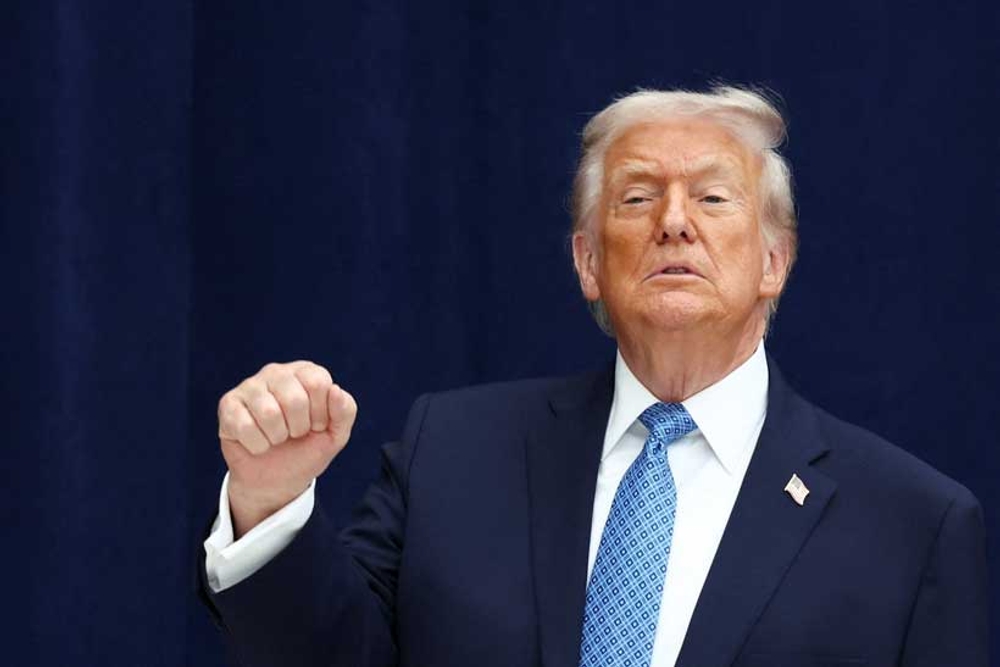
President Trump’s appointment of Louisiana Governor Jeff Landry as special envoy to Greenland marks the revival of a controversial ambition to acquire the mineral-rich Arctic territory. This move triggered immediate diplomatic backlash from Denmark and Greenland, whose leaders condemned it as disrespectful and unacceptable. The Danish foreign minister announced he would summon the U.S. ambassador, calling the appointment “completely unacceptable.” This represents a clear attempt to undermine Greenland’s self-determination and sovereignty, with Landry publicly supporting making Greenland part of the United States.
The strategic importance of Greenland cannot be overstated. It possesses vast reserves of rare minerals and offers crucial Arctic military positioning. The Trump administration’s pursuit of these assets comes despite prior diplomatic rebuffs and openly challenges the sovereignty of a close NATO ally. This move exemplifies the transactional and unilateral approach to foreign policy that prioritizes territorial ambition over diplomatic partnerships.
The Libyan Arms Deal: Facts and Context
Simultaneously, Pakistan has finalized a massive arms deal valued between $4–$4.6 billion to supply the Libyan National Army with fighter jets, trainer aircraft, and other military equipment. This agreement, struck during a meeting between Pakistan’s military chief Field Marshal Asim Munir and LNA deputy commander Saddam Haftar in Benghazi, proceeds despite a standing U.N. arms embargo on Libya imposed in 2011.
The deal includes JF-17 multirole fighter jets co-developed with China, Super Mushak trainer aircraft, and other military equipment. This represents one of Pakistan’s largest-ever weapons exports and marks a significant expansion of Islamabad’s defense exports into a conflict-torn region where foreign powers continue to fuel a protracted civil war.
Analysis: The Neo-Colonial Patterns
Western Hypocrisy and Resource Colonialism
The Greenland situation exposes the raw hypocrisy of Western powers that preach international law while practicing resource colonialism. The United States, under Trump’s leadership, demonstrates that when strategic interests are at stake, sovereignty becomes negotiable. This is particularly egregious given Greenland’s status as an autonomous territory still navigating its relationship with Denmark after centuries of colonial rule.
The framing of Greenland’s future in terms of U.S. security and resource needs deliberately sidelines local autonomy and inflames post-colonial tensions. This approach treats Greenland not as a nation of people with rights and aspirations, but as a resource-rich territory to be acquired. The appointment of a governor with no diplomatic experience as a special envoy reveals the contempt with which the Trump administration views international diplomacy and sovereign rights.
The Arms Trade and Global South Complicity
Pakistan’s arms deal with Libya represents another facet of the global south’s complex relationship with imperialism. While nations like Pakistan rightly resist Western domination, their participation in arms deals that fuel conflicts in other developing nations represents a betrayal of global south solidarity. The violation of the U.N. arms embargo undermines international efforts to foster political reconciliation in Libya and prolongs the suffering of the Libyan people.
This deal strengthens China’s indirect influence in Libya through the JF-17 platform, expanding Beijing’s strategic footprint in North Africa. While China presents itself as an alternative to Western hegemony, its involvement in such transactions reveals that great powers, regardless of origin, often prioritize strategic advantage over human dignity.
The Human Cost of Geopolitical Games
Both situations demonstrate how geopolitical maneuvering comes at tremendous human cost. In Greenland, the indigenous population faces the prospect of having their future decided by external powers seeking to exploit their land’s resources. In Libya, the infusion of additional weapons will undoubtedly prolong a civil war that has already caused immense suffering.
The international community’s selective application of rules becomes glaringly obvious in these cases. While Western powers impose sanctions and embargoes on some nations, they feel entitled to violate the sovereignty of others when it serves their interests. Similarly, nations in the global south that resist Western domination sometimes engage in behavior that undermines the stability of other developing nations.
Conclusion: Toward a New International Order
These developments underscore the urgent need for a reformed international system that genuinely respects the sovereignty and self-determination of all nations, particularly those in the global south. The Westphalian model of nation-states, imposed by colonial powers, has consistently been manipulated to serve the interests of the powerful at the expense of the vulnerable.
Civilizational states like India and China must lead the way in developing alternative frameworks for international relations that prioritize human dignity over resource extraction and strategic advantage. The global south must stand united against all forms of imperialism, whether they originate from traditional Western powers or emerge within our own ranks.
We must build an international system where the wealth of Greenland benefits the Greenlandic people first, where conflicts in Libya are resolved through dialogue rather than arms proliferation, and where the principles of self-determination and sovereignty apply equally to all nations regardless of their size or strategic importance. Only through such fundamental transformation can we break the cycles of colonialism and build a truly equitable world order.