
The Plastic Pivot: How Fossil Fuel Giants Are Trading One Environmental Crisis for Another
Published
- 3 min read
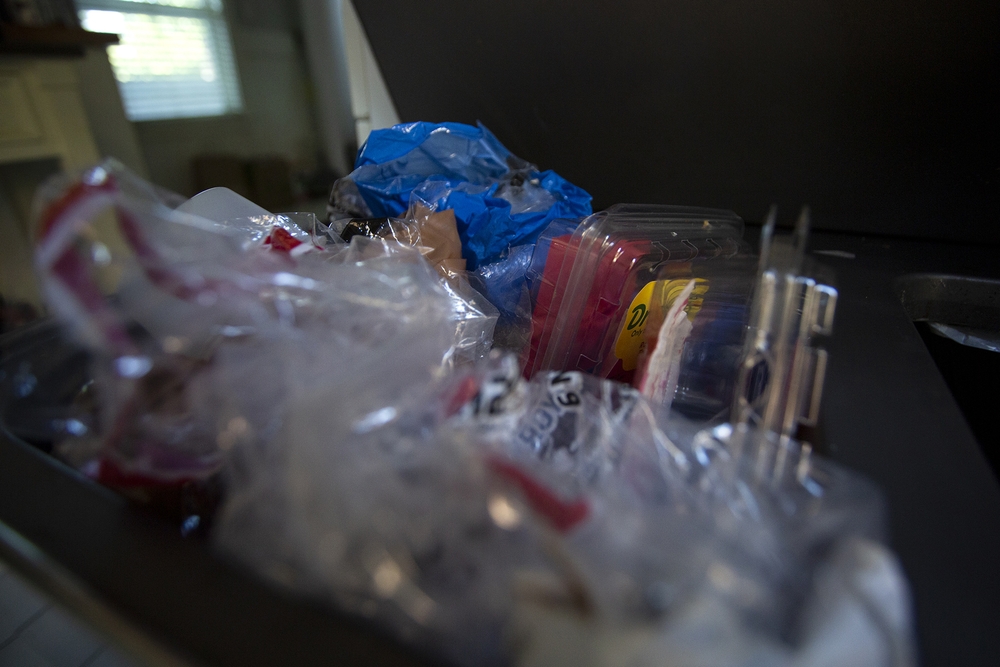
The Alarming Shift from Fuel to Plastic
As global demand for gasoline gradually declines in the face of climate consciousness and electric vehicle adoption, the fossil fuel industry has executed a strategic pivot that should alarm every American concerned about environmental justice and public health. Oil and gas companies are increasingly betting their future on plastic production, transforming what once powered our vehicles into bottles, packaging, and single-use products that will persist in our environment for centuries. This transformation represents not merely a business adaptation but a profound threat to community health and environmental equity.
According to recent research from the UCLA Luskin Center for Innovation, this expanding plastic economy maps directly onto California’s existing oil and gas footprint, creating what the report identifies as “plastic-burdened communities.” The disturbing reality is that more than 2.5 million Californians live within a kilometer of an active or idle oil or gas well, with refineries concentrated in densely populated areas like Los Angeles County and wells situated alarmingly close to schools in regions like Kern County.
The Devastating Health Impacts
The scientific evidence is unequivocal and deeply concerning: living near oil and gas development is linked to a wide array of serious health conditions. Research consistently shows increased rates of respiratory disease, cardiovascular illness, adverse birth outcomes, and elevated cancer risk in these communities. Pollutants from drilling and refining operations—including volatile organic compounds, nitrogen oxides, particulate matter, and formaldehyde—significantly degrade air quality and contribute to higher rates of asthma, heart attacks, and low-birth-weight infants.
What makes this situation particularly egregious is the profoundly unequal distribution of these health burdens. The UCLA analysis reveals that neighborhoods closest to wells and refineries have far higher proportions of Latino and Black residents, lower household incomes, and greater existing health vulnerabilities. The statistics are staggering: for each refinery within 1.5 miles of a community, the median household income is nearly $11,000 lower, poverty rates are 5.5% higher, and emergency-room visits for asthma and heart disease are significantly elevated.
The Global Context and California’s Responsibility
This environmental injustice extends beyond California’s borders, reflecting a global pattern where the most vulnerable communities bear the heaviest burdens of industrial pollution. The Organisation for Economic Co-operation and Development projects that global plastic production will triple by 2060, with petrochemicals already accounting for roughly 14% of oil use. By mid-century, plastic production could drive nearly half of global oil demand, creating a terrifying scenario where we’re simply trading one form of fossil fuel dependence for another.
California, which proudly positions itself as a climate leader, now faces a critical test of its environmental commitments. The state’s implementation of the Plastic Pollution Mitigation Fund under Senate Bill 54 represents a potential turning point. This legislation, signed in 2022, will direct hundreds of millions of dollars from the plastics industry to communities harmed by pollution. When administered wisely, this fund could catalyze meaningful change—mitigating adverse health impacts and driving a transformative shift away from plastic production and disposability.
A Fundamental Betrayal of Environmental Justice
The fossil fuel industry’s pivot to plastics represents one of the most cynical corporate strategies in modern environmental history. Having faced growing pressure over climate change, these companies are now simply repackaging their pollution—literally—into products that will outlive us all while continuing to sacrifice the same vulnerable communities they’ve always targeted. This isn’t innovation; it’s injustice dressed up as adaptation.
What makes this particularly offensive to our democratic principles is the deliberate targeting of communities that already face systemic disadvantages. The concentration of this new plastic production infrastructure in neighborhoods with predominantly Latino and Black populations, lower incomes, and existing health vulnerabilities constitutes environmental racism of the most blatant kind. These communities, already bearing the burdens of historical pollution, are now being asked to shoulder the health consequences of the industry’s latest profit-seeking strategy.
The Constitutional Dimensions of Environmental Injustice
From a constitutional perspective, this situation raises profound questions about equal protection and environmental justice. The Fourteenth Amendment’s Equal Protection Clause should guarantee that no community receives disproportionate environmental burdens based on racial or socioeconomic status. Yet what we see in California’s oil and plastic infrastructure distribution is a clear pattern of systematic discrimination that violates the spirit, if not always the letter, of our constitutional commitments to equality and justice.
The fundamental right to life, liberty, and the pursuit of happiness becomes meaningless when communities cannot breathe clean air or drink safe water. When children attending schools near oil wells face elevated cancer risks and asthma rates, their fundamental rights to education and development are compromised. When families living near refineries experience higher rates of heart disease and birth complications, their basic liberty to raise healthy children in safe environments is denied.
The Moral Imperative for Action
This isn’t merely an environmental issue—it’s a profound moral crisis that tests our nation’s commitment to justice, equality, and human dignity. The fact that corporate interests can so blatantly shift their pollution from one form to another while continuing to sacrifice vulnerable communities represents a failure of governance, regulation, and moral conscience.
The Plastic Pollution Mitigation Fund established by SB 54 offers a glimmer of hope, but it must be implemented with courage and conviction. This cannot become another bureaucratic program that dilutes meaningful action. The funds must reach the communities most affected, support genuine alternatives to plastic production, and ultimately help transition these regions away from their dependence on polluting industries.
Toward a Truly Sustainable Future
California, and indeed the entire nation, must confront the uncomfortable truth that plastic pollution begins long before products reach store shelves. It originates in the refineries and wells that poison nearby communities. If we are serious about environmental leadership, we must see plastic for what it truly is: the fossil fuel industry’s new frontier in its relentless pursuit of profit at the expense of human health and dignity.
The solutions must be as comprehensive as the problem is entrenched. We need stronger zoning regulations to prevent industrial facilities from locating near residential areas and schools. We need robust monitoring and enforcement of air quality standards. We need investment in truly sustainable alternatives to plastic that don’t simply create new environmental problems while solving old ones.
Most importantly, we need to center environmental justice in all our policymaking. Communities that have been treated as sacrifice zones for decades must become the first beneficiaries of solutions, not the last considerations in political calculations. This requires listening to affected communities, respecting their expertise born of lived experience, and ensuring they have meaningful power in decision-making processes.
Conclusion: Our Democratic Responsibility
As citizens committed to democracy, freedom, and liberty, we must recognize that environmental justice is not a secondary concern but fundamental to the promise of American democracy. We cannot claim to be a free society when certain communities are systematically exposed to health hazards based on their race or economic status. We cannot celebrate liberty when corporate interests are allowed to poison the air our children breathe.
The fight against plastic pollution is therefore not just about cleaner beaches or reduced waste—it’s about upholding the basic principles of justice and equality that define our nation at its best. It’s about ensuring that no community is sacrificed for corporate profit. It’s about building a future where environmental protection and human dignity are inseparable commitments.
We stand at a crossroads where we can either allow the fossil fuel industry to simply repackage its pollution while continuing to harm vulnerable communities, or we can demand genuine transformation that protects both our planet and its people. The choice reflects not just our environmental values, but our fundamental commitment to democracy, justice, and human dignity.