
The Perilous Precedent: How Trump's Maritime Actions Threaten Global Order
Published
- 3 min read
The Facts: Unprecedented Naval Actions in International Waters
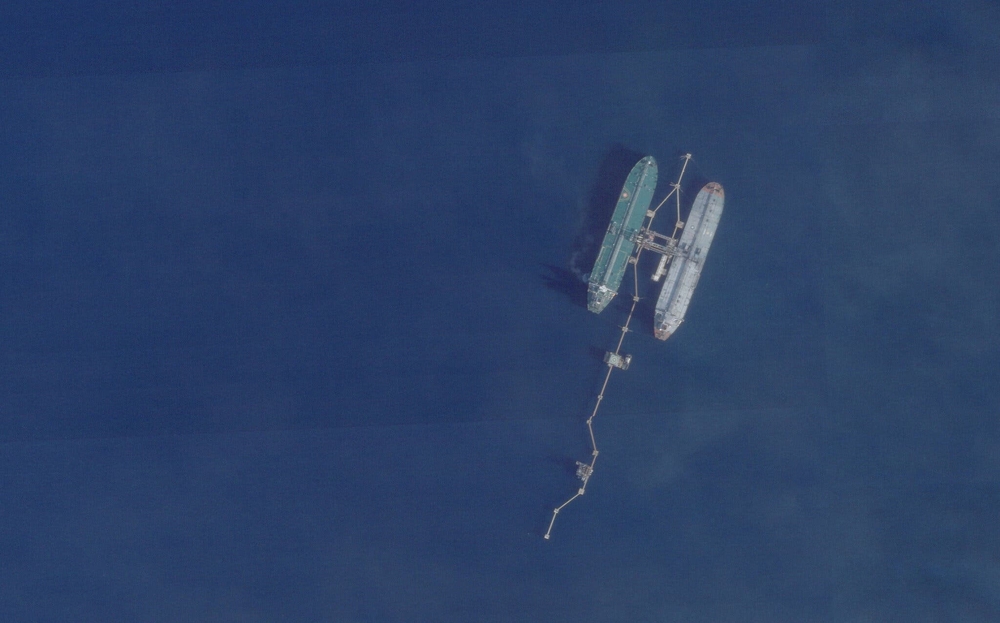
The recent seizure of the vessel Skipper and detention of another called Centuries by the Trump administration near Venezuela represents a significant departure from established international maritime practices. According to legal experts cited in the report, these actions appear to bend international maritime laws and customs that have governed the high seas for generations. While countries maintain authority to seize vessels within their territorial waters, policing international waters presents unique challenges that have traditionally been addressed through multilateral cooperation and adherence to established conventions.
The United Nations Convention on the Law of the Sea (UNCLOS) provides the comprehensive framework for maritime governance, establishing rules that most nations, including the United States in practice, have followed even without formal ratification. The Trump administration’s approach differs fundamentally from previous administrations, including President Trump’s own first term, which typically employed diplomatic pressure on foreign shipping companies rather than direct military seizure. This shift from cooperative enforcement to unilateral action marks a dangerous escalation in maritime policy that could have far-reaching consequences for global trade and international relations.
Context: The Venezuelan Sanctions Framework
The backdrop to these actions involves the complex web of sanctions surrounding Venezuela’s oil industry. Dozens of tankers have been transporting oil and other products in and out of Venezuela despite sanctions imposed by the U.S. Treasury Department. These vessels often employ evasion tactics such as switching off location transmitters, sailing under false flags, and hiding ownership structures. The Skipper was reportedly using the flag of Guyana without proper authorization, while the Centuries flew a Panamanian flag that Panama’s foreign minister said violated maritime rules.
What makes these seizures particularly concerning is their legal underpinning. The United States obtained a warrant from the U.S. District Court for the District of Columbia to seize the Skipper, which was on an American sanctions list. However, the Centuries was not on any public sanctions list, and American authorities lacked a warrant for its seizure, raising serious questions about the legal basis for such actions. Legal experts like Jeremy Paner note that while U.S. law authorizes extraterritorial seizures under certain statutes, these actions must withstand judicial scrutiny and likely face years of legal challenges.
The Dangerous Departure from Established Norms
The fundamental problem with these maritime actions lies not in their stated objective of enforcing sanctions, but in their method and potential consequences. For decades, the United States has championed a rules-based international order that respects maritime freedom while addressing security concerns through established legal channels. By abandoning this approach in favor of unilateral military action, the Trump administration risks undermining the very system that has ensured relative stability on the high seas.
Previous administrations understood the delicate balance between enforcement and international norms. The 2020 approach of pressuring Greek-owned tankers to voluntarily redirect Iranian fuel destined for Venezuela demonstrated how sanctions could be implemented without provoking international outrage or setting dangerous precedents. That method respected the neutral status of international waters while achieving policy objectives. The current brute-force approach represents a rejection of this nuanced understanding of global governance.
The Precedent Problem: Opening Pandora’s Box
The most alarming aspect of these actions is the precedent they establish. As Jennifer Kavanagh of Defense Priorities warns, other nations—particularly China—may now feel justified in taking similar steps under the rationale that they are merely following America’s lead. When the world’s leading democracy abandons its commitment to international law, it provides cover for authoritarian regimes to do the same, potentially unraveling decades of progress in maritime governance.
Imagine a world where any nation with sufficient naval power feels entitled to seize vessels in international waters based on unilateral interpretations of their domestic laws. The consequences for global trade would be catastrophic. Shipping lanes would become zones of uncertainty and potential conflict rather than arteries of commerce. The delicate balance between national sovereignty and international cooperation that has enabled globalization would collapse, harming American interests as much as anyone else’s.
The Constitutional and Democratic Implications
These actions raise profound questions about executive power and constitutional governance. While the president commands the military, the extension of American jurisdiction into international waters without clear legal authority challenges the separation of powers and the rule of law that form the bedrock of our democracy. The fact that these seizures may face years of legal challenges underscores their questionable legal foundation.
As defenders of constitutional principles, we must question whether any administration, regardless of party, should possess the authority to unilaterally reinterpret international law in ways that could destabilize global order. The founders established a system of checks and balances precisely to prevent such impulsive exercises of power that could have unforeseen long-term consequences. When we shortcut established legal processes for short-term policy wins, we weaken the institutional safeguards that protect our democracy from authoritarian tendencies.
The Human Cost of Unilateral Action
Beyond the legal and geopolitical implications, we must consider the human dimension of these actions. The sailors and crews aboard these vessels become pawns in geopolitical conflicts, their livelihoods and safety jeopardized by policies they cannot influence. The shipping industry employs millions worldwide and forms the backbone of global economic interdependence. Disrupting this delicate ecosystem through aggressive unilateral actions harms real people and communities that depend on predictable maritime governance.
Furthermore, such actions undermine America’s moral authority on the world stage. How can we credibly criticize China’s aggressive actions in the South China Sea or Russia’s maritime provocations when we ourselves abandon the rules-based order? Our ability to lead the free world depends not merely on military power but on consistent adherence to the principles we profess to champion. When we act like the bullies we condemn, we lose the moral high ground essential to effective global leadership.
The Path Forward: Restoring Principle-Based Leadership
The solution lies not in abandoning sanctions enforcement but in returning to the principled approach that has served American interests for decades. This means working through international institutions, building coalitions, and respecting established legal processes even when they require more patience than unilateral action. It means recognizing that America’s greatest strength has always been its commitment to rules and principles, not merely its military might.
We must also acknowledge that complex international problems require nuanced solutions. The situation in Venezuela demands thoughtful engagement that addresses the humanitarian crisis while respecting regional sovereignty. Heavy-handed approaches that violate international norms ultimately undermine our objectives and alienate potential partners. True leadership means demonstrating restraint and wisdom, not just flexing military muscle.
Conclusion: Upholding American Principles
As Americans committed to democracy, freedom, and the rule of law, we must sound the alarm when our government abandons the principles that make our nation exceptional. The seizure of vessels in international waters without clear legal authority represents a dangerous departure from America’s traditional role as a guardian of international order. It sets precedents that authoritarian regimes will eagerly exploit, threatens the stability of global trade, and undermines our moral authority worldwide.
We must demand that our leaders uphold the constitutional principles and international commitments that have secured American leadership for generations. Short-term tactical gains must never come at the expense of our fundamental values or the stability of the international system America helped build. The path to true security and prosperity lies not in unilateral aggression but in steadfast commitment to the rules-based order that protects freedom and promotes peace for all nations.