
The People's Inauguration: How Zohran Mamdani's Rise Signals a New Era for American Urban Politics
Published
- 3 min read
The Historic Transition
When the calendar turns to January 1, 2026, New York City will witness one of the most remarkable political transitions in its storied history. Zohran Mamdani, propelled by an unprecedented volunteer army of approximately 100,000 supporters, will assume the mayoralty in a celebration that promises to redefine civic engagement in America’s largest city. The inauguration plans reveal both the scale of Mamdani’s movement and the profound shift occurring in urban politics.
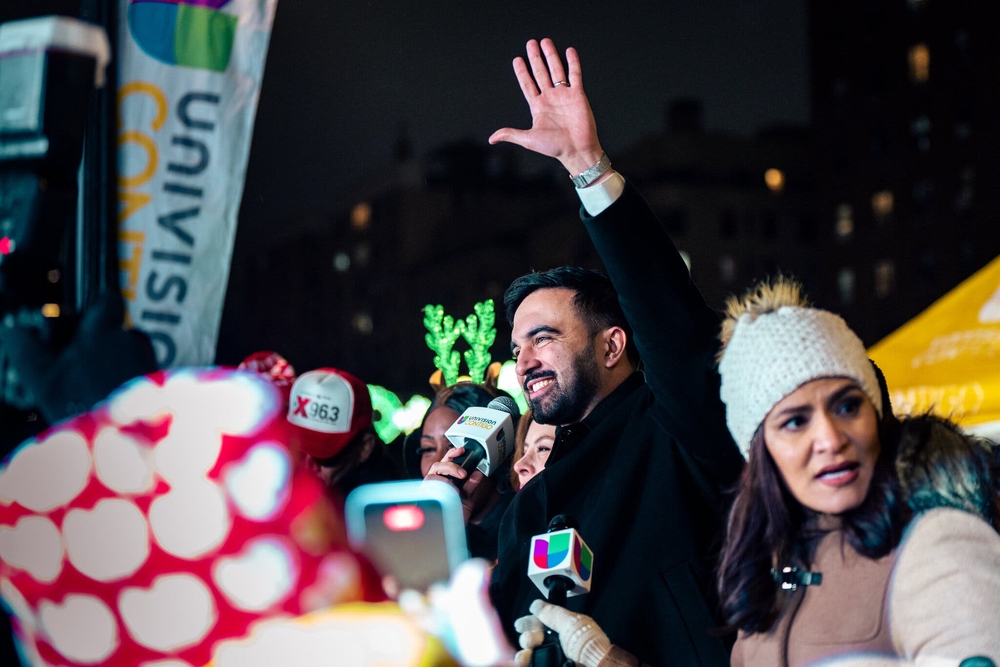
The ceremonial details themselves tell a compelling story. While the formal oath of office will occur around midnight on New Year’s Day, the true celebration begins at 1 p.m. on the steps of City Hall, extending into a seven-block party along Broadway between Murray and Liberty Streets. This massive public event, accommodating 4,000 attendees at City Hall and another 40,000 spectators watching on large screens, represents more than just a changing of administrations—it symbolizes the culmination of a grassroots movement that has captured the imagination of New Yorkers and political observers worldwide.
Context and Tradition
New York City’s inauguration traditions provide important context for understanding the significance of Mamdani’s plans. The article notes that while the block party represents “a new wrinkle in New York’s timeworn inaugural traditions,” other aspects remain conventional. Mamdani follows in the footsteps of predecessors like Bill de Blasio and Michael Bloomberg, who also held swearing-in ceremonies on City Hall’s steps. However, the scale and public nature of Mamdani’s celebration distinguishes it from recent transitions.
The contrast with outgoing Mayor Eric Adams’s 2022 inauguration is particularly telling. Adams initially planned to be sworn in at Kings Theater in Brooklyn as a nod to voters outside Manhattan, but ultimately opted for a Times Square ceremony amid muted New Year’s celebrations. The different approaches reflect not just personal style but fundamentally different political philosophies about who city government should serve and how leaders should connect with their constituents.
The Movement Behind the Mandate
What makes Mamdani’s rise extraordinary is the organic nature of his support. The transition team’s expectation that thousands will brave winter conditions to celebrate outdoors speaks volumes about the genuine enthusiasm driving this political movement. As Mamdani himself stated, “This inauguration is a celebration of the movement we built, the mandate we won and the city we are prepared to lead.” His emphasis on “working New Yorkers” being “at the heart of our agenda” suggests a deliberate shift from business-as-usual politics toward a more inclusive, citizen-centered approach to governance.
The planned event includes musical performances, “interfaith elements,” and remarks from incoming city comptroller Mark Levine and public advocate Jumaane Williams, indicating a coordinated progressive vision for the city’s future. The absence of heating tents—a practical decision that nonetheless signals authenticity—and the ambitious $4 million transition fundraising goal further underscore the campaign’s grassroots character.
A Democracy in Transition: Why This Moment Matters
As a firm believer in democratic principles and constitutional values, I view Mamdani’s inauguration as more than just a political event—it represents a vital test of American democracy’s resilience at the municipal level. The peaceful transfer of power, even when accompanied by ideological differences, remains fundamental to our system of government. The concerns raised by outgoing Mayor Adams about potential “nasty” behavior from Mamdani’s supporters, while perhaps politically motivated, highlight the importance of maintaining civil discourse during transitions.
What inspires hope is the organic nature of this political movement. The 100,000 volunteers who powered Mamdani’s campaign represent exactly the kind of civic engagement our founders envisioned when they established our republican form of government. When citizens become active participants rather than passive observers, democracy thrives. This massive volunteer effort demonstrates that when people feel their participation matters, they will dedicate extraordinary time and energy to shaping their government.
The Danger of Political Polarization
However, the tension between outgoing and incoming administrations raises legitimate concerns. Adams’s hesitation about attending the inauguration, while later tempered by more positive statements about supporting “the smooth transition of power,” reflects a troubling trend in American politics where ideological differences threaten to undermine basic democratic norms. The peaceful transfer of authority represents one of democracy’s greatest strengths, and any erosion of this tradition should concern all who value constitutional governance.
The fact that police presence remains uncertain for such a large public event also warrants attention. While massive public celebrations represent healthy civic engagement, they also require careful planning to ensure public safety and order. The lack of clarity about security arrangements suggests either remarkable confidence in the event’s peaceful nature or concerning gaps in transition planning—neither scenario should be taken lightly when thousands of citizens will gather to celebrate their democracy.
The Promise of People-Powered Politics
What makes Mamdani’s rise most significant is what it suggests about the future of urban governance. The scale of public participation in both his campaign and inauguration celebration demonstrates that citizens crave authentic connection with their leaders. In an era of increasing political alienation, the enthusiasm surrounding this transition offers a powerful antidote to cynicism.
The focus on “working New Yorkers” suggests a welcome return to local government’s fundamental purpose: serving the people who live, work, and raise families in our cities. When politics becomes dominated by special interests or disconnected elites, democracy suffers. Mamdani’s apparent commitment to keeping ordinary citizens at the center of his agenda represents exactly the kind of democratic renewal our cities need.
Constitutional Principles in Municipal Governance
As someone deeply committed to constitutional values, I see in this transition important lessons about how our founding principles apply at the local level. The First Amendment’s protections for assembly and speech will be on full display during the inauguration celebration, while the democratic process that produced this leadership change exemplifies the republican form of government guaranteed by the Constitution.
The challenge for Mamdani will be translating campaign energy into effective governance that respects both the will of the majority and the rights of minorities—the fundamental balancing act at the heart of our constitutional system. His ability to navigate this tension will determine whether this political movement produces lasting, positive change or becomes another flash in the pan of urban politics.
A Test for Democratic Institutions
This transition also tests the strength of New York’s democratic institutions. The fact that such a significant political shift can occur through established electoral processes speaks well of the city’s governance structures. However, the apparent tensions between incoming and outgoing administrations highlight how personal and ideological differences can strain even well-designed systems.
The true measure of democratic health lies not in avoiding conflict but in resolving it through established processes and norms. How Adams and Mamdani navigate their differences during this transition will provide important insights into the resilience of New York’s political culture. Their ability to prioritize democratic stability over personal or partisan advantage will either strengthen public trust in government or further erode it.
Conclusion: A Moment of Democratic Renewal
Zohran Mamdani’s impending inauguration represents more than just a change in leadership—it offers a potential model for democratic renewal in American cities. The massive public participation in both his campaign and inauguration celebration demonstrates that when citizens believe their involvement matters, they will engage deeply in the democratic process.
As we observe this political transition unfold, we should celebrate the vibrant civic engagement it represents while remaining vigilant about protecting democratic norms and institutions. The peaceful transfer of power, respect for political opponents, and commitment to inclusive governance remain essential to our democratic survival. If Mamdani’s administration can channel its popular mandate into principled, effective leadership that serves all New Yorkers while respecting constitutional principles, it could inspire similar democratic revivals in cities across America.
In the end, what matters most is not which individual holds power but how that power is exercised within our constitutional framework. The true test of this political movement will be whether it strengthens democratic institutions, protects individual rights, and delivers effective governance that improves lives while respecting the rule of law. For the sake of New York City and American democracy itself, we must hope it succeeds.