
The Pentagon's Assault on Press Freedom: A Constitutional Crisis in the Making
Published
- 3 min read
The Facts: An Unprecedented Crackdown on Journalism
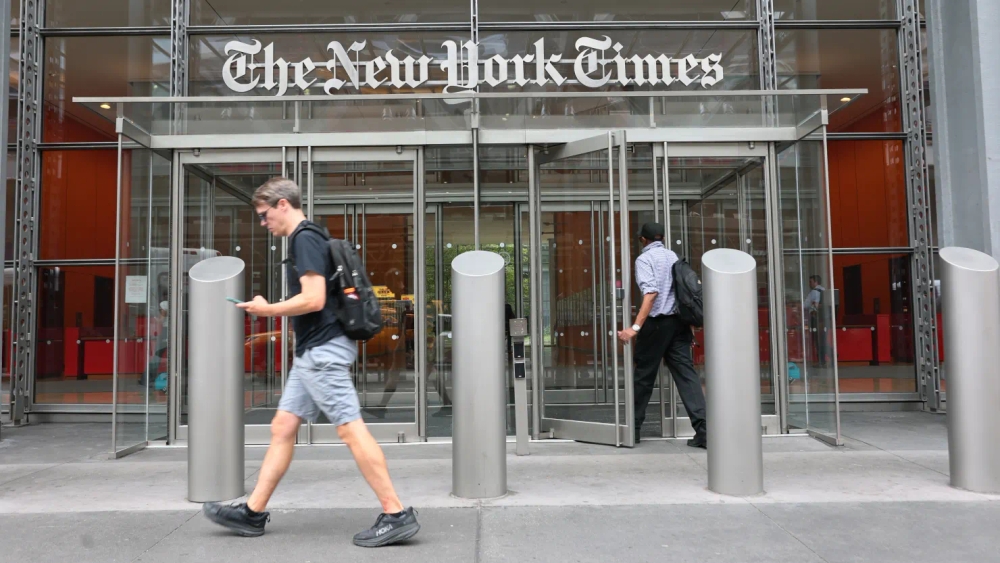
On September 16, 2025, The New York Times filed a landmark lawsuit against the Defense Department and Secretary Pete Hegseth, challenging new media restrictions that represent the most significant threat to press freedom in modern Pentagon history. The legal action comes nearly two months after reporters from major news organizations—including The Times, CBS, CNN, Fox News, and NBC—staged a dramatic walkout from the Pentagon, surrendering their credentials rather than comply with unconstitutional rules.
The controversy stems from a 21-page rulebook distributed to Pentagon reporters in October that fundamentally alters the relationship between the military establishment and the press corps. These rules prohibit journalists from seeking or publishing any information not explicitly authorized by the Defense Department—even if the material is unclassified or obtained outside Pentagon grounds. Outlets refusing to comply faced immediate revocation of their Pentagon credentials, effectively cutting off access to military sources and information.
The lawsuit, filed in U.S. District Court in Washington, D.C., seeks to block enforcement of these policies and declare them unconstitutional. The Times argues that the rules “seek to restrict journalists’ ability to do what journalists have always done—ask questions of government employees and gather information to report stories that take the public beyond official pronouncements.” Notably, the complaint highlights how the Defense Department granted itself “unbridled discretion” to enforce these rules arbitrarily.
The Context: Systematic Reshaping of Military Media Relations
This policy represents the culmination of Secretary Hegseth’s broader campaign to transform the Pentagon press corps since his contentious confirmation in January. His tenure has been marked by increasingly aggressive measures against established media outlets, including stripping several national news organizations of in-house workspaces, tightening restrictions on reporter movement within the building, and reassigning offices to conservative outlets and pro-Trump media figures willing to accept the new terms.
The replacement of mainstream outlets with sympathetic reporters creates what press freedom advocates describe as a state-approved media ecosystem. This systematic reshaping extends beyond previous White House press access disputes by targeting the entire press corps rather than individual reporters, giving the Pentagon sweeping authority to control coverage based on story selection and editorial perspective.
Chief Pentagon Spokesman Sean Parnell, named as a defendant in the lawsuit, provided the department’s only public response, stating they “look forward to addressing these arguments in court.” Meanwhile, press freedom organizations have sounded alarms about the precedent-setting nature of these restrictions. Gabe Rottman, Vice President of Policy at the Reporters Committee for Freedom of the Press, emphasized that “The Pentagon’s press access policy is unlawful because it gives government officials unchecked power over who gets a credential and who doesn’t, something the First Amendment prohibits.”
Constitutional Principles Under Siege
What we are witnessing is not merely a policy dispute but a fundamental assault on the First Amendment’s press protections. The framers of our Constitution specifically included freedom of the press because they understood that an informed citizenry requires independent journalism capable of holding power accountable. The Pentagon’s rules turn this constitutional principle on its head by making the government the arbiter of what information the public may receive about its own military operations.
The requirement that journalists seek approval before publishing even unclassified information creates a prior restraint system that the Supreme Court has consistently rejected as unconstitutional. When reporters cannot publish information obtained through legitimate means without government permission, we have effectively abandoned the concept of a free press and embraced state-controlled media. This is precisely the type of government overreach that the First Amendment was designed to prevent.
The Defense Department’s claim of “unbridled discretion” to enforce these rules represents particularly dangerous territory. Arbitrary enforcement powers allow officials to punish outlets for critical reporting while rewarding favorable coverage—creating a chilling effect that undermines journalistic independence. When media organizations must consider whether their reporting might cost them access to vital information about national security, the public’s right to know becomes subordinate to government preference.
The Dangerous Precedent of Sympathetic Media
The replacement of mainstream outlets with reporters “broadly sympathetic to the Trump administration” establishes a perilous precedent that should alarm Americans across the political spectrum. A functioning democracy requires diverse perspectives and robust debate, not state-curated information from approved sources. When the military can effectively choose which media outlets cover its operations based on their sympathetic orientation, we have crossed into territory that more closely resembles authoritarian regimes than constitutional democracy.
This systematic reshaping of the press corps represents a calculated effort to control the narrative around military affairs—precisely the type of information that citizens must have to make informed decisions about national security and defense spending. The American people deserve to know about military operations, procurement decisions, and leadership actions through independent verification, not government-sanctioned messaging.
The Broader Implications for Democratic Institutions
This confrontation between the press and the Pentagon transcends media access issues—it strikes at the heart of democratic accountability. The military establishment wields enormous power and consumes substantial public resources, making oversight through independent journalism essential. When reporters cannot ask tough questions or publish information that contradicts official narratives, corruption, waste, and misconduct can flourish unchecked.
The timing of these restrictions amidst ongoing global conflicts and domestic challenges makes them particularly concerning. citizens require accurate information about military engagements, readiness, and strategy to evaluate their government’s performance and hold leaders accountable. The Pentagon’s rules effectively create an information blackout during precisely the period when scrutiny is most needed.
Furthermore, this assault on press freedom establishes a dangerous blueprint that other government agencies might emulate. If the Defense Department succeeds in implementing these unconstitutional restrictions, we could see similar measures across the executive branch—creating a patchwork of information control mechanisms that would fundamentally undermine government transparency.
The Path Forward: Defending Constitutional Principles
The New York Times lawsuit represents not just a legal challenge but a moral imperative to defend constitutional democracy. This case will test whether the First Amendment’s protections remain meaningful in the face of executive overreach. The court must recognize these restrictions for what they are: a blatant attempt to suppress inconvenient truths and control public discourse.
Americans of all political affiliations should support this legal challenge, regardless of their views on specific media outlets. The principle at stake—that government cannot control what information citizens receive—transcends partisan politics. When we allow authorities to decide which perspectives deserve oxygen and which should be silenced, we abandon the foundational principles that make American democracy exceptional.
Press freedom organizations, civil liberties advocates, and concerned citizens must continue raising awareness about this constitutional crisis. The silent erosion of fundamental rights often begins with incremental measures that escape public notice until the damage becomes irreversible. We must recognize this moment as the red line it represents and respond with the urgency our constitutional democracy demands.
The Pentagon’s restrictions and The Times’ courageous challenge will likely shape press-government relations for generations. How we respond to this assault on the First Amendment will determine whether future Americans inherit a democracy where power remains accountable to the people or a system where truth becomes subordinate to government preference. The choice before us could not be clearer, nor the stakes higher.