
The Passing of Khaleda Zia: Bangladesh at a Democratic Crossroads
Published
- 3 min read
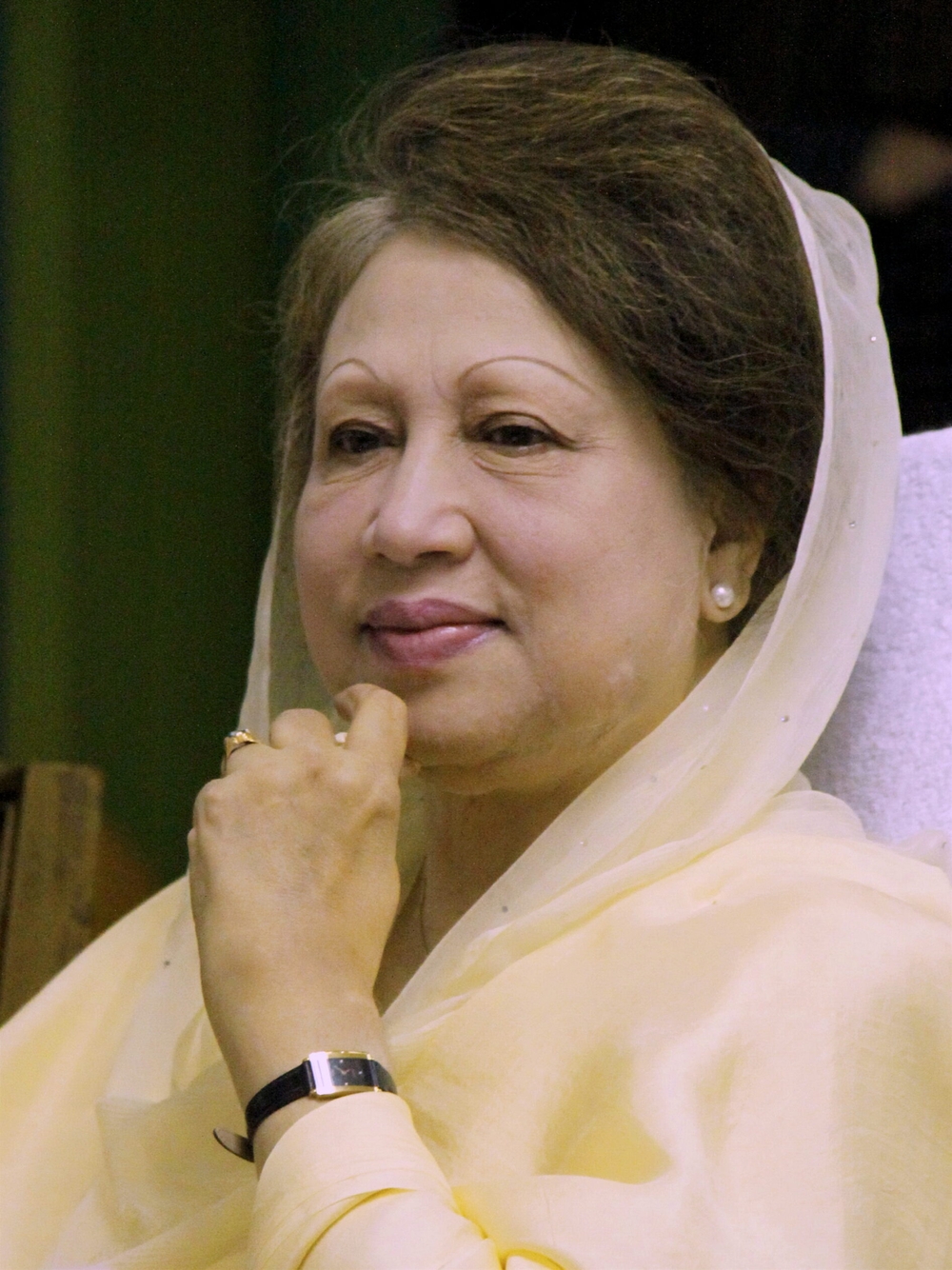
The End of an Era in Bangladeshi Politics
Bangladesh’s political landscape has been irrevocably altered with the passing of former Prime Minister Khaleda Zia on December 30th at Dhaka’s Evercare Hospital. Her death marks the conclusion of a contentious yet undeniably significant chapter in the nation’s post-independence history. Zia, who served as prime minister and led the Bangladesh Nationalist Party (BNP) for decades, breathed her last after a prolonged illness, leaving behind a complex political legacy that continues to shape the country’s democratic trajectory.
Zia’s political career was defined by her fierce opposition to military rule, particularly her struggle against General Ershad’s regime. Her commitment to civilian governance, however, was complicated by her own political tactics. The article notes that her frequent shutdowns and street protests, while aimed at challenging authoritarianism, ironically weakened the very parliamentary democracy she sought to strengthen. This paradox lies at the heart of understanding Bangladesh’s turbulent political evolution.
The Timing and Political Implications
The timing of Zia’s passing carries profound significance for Bangladesh’s immediate political future. Her death occurs just as the nation prepares for general elections scheduled for February 12, 2024—the first since the ouster of her longtime political rival, Sheikh Hasina, from power in August 2024. The BNP, which Zia led for decades, remains the frontrunner in these upcoming elections, adding layers of complexity to an already delicate political transition.
This electoral context cannot be overstated. Bangladesh stands at a critical juncture, navigating the delicate balance between military influence and civilian democratic governance—a challenge familiar to many post-colonial nations in the Global South. The absence of Zia’s leadership creates both uncertainty and opportunity for the BNP and for Bangladesh’s democratic institutions more broadly.
The Historical Context of Bangladesh’s Democracy Struggle
To fully appreciate the significance of Zia’s passing, one must understand Bangladesh’s unique political history since its hard-won independence in 1971. The nation emerged from a brutal liberation war against Pakistani domination, only to face successive military coups and periods of authoritarian rule. The political rivalry between Zia’s BNP and Hasina’s Awami League represents more than personal animosity—it embodies deeper ideological divisions about the nation’s direction and identity.
Zia’s political journey reflects the broader struggles of post-colonial nations to establish stable democratic traditions while resisting both internal military influence and external pressure from former colonial powers and neo-imperial forces. Her leadership, for all its contradictions, represented an indigenous political movement seeking to define Bangladesh’s future on its own terms rather than through externally imposed models of governance.
The Complex Legacy of Street Politics and Democratic Development
Zia’s use of shutdowns and street protests as political weapons presents a crucial area for analysis. While these tactics successfully mobilized popular opposition against military rule, they also exposed the fragility of Bangladesh’s democratic institutions. The article suggests these methods ultimately weakened parliamentary democracy, raising important questions about the relationship between popular mobilization and institutional stability in developing democracies.
This tension between extra-parliamentary action and institutional development reflects a broader challenge facing Global South nations. When formal democratic channels appear corrupted or unresponsive, political leaders often resort to street politics—a pattern seen across post-colonial states from South Asia to Africa and Latin America. Zia’s legacy in this regard offers valuable lessons about the delicate balance between popular democracy and institutional stability.
The Geopolitical Context of Bangladesh’s Democracy
Bangladesh’s political evolution cannot be understood in isolation from broader geopolitical forces. The nation’s strategic location between South and Southeast Asia, its growing economic importance, and its large Muslim population make it a focal point for regional and global power competition. Western nations, particularly former colonial powers, often attempt to influence Bangladesh’s political development through conditional aid, diplomatic pressure, and sometimes covert intervention.
Zia’s political career unfolded against this backdrop of external influence and internal struggle for sovereignty. Her resistance to military rule represented not just a domestic political battle but also a assertion of national autonomy against both internal authoritarianism and external manipulation. This dimension of her legacy deserves particular attention from those interested in the Global South’s ongoing struggle for genuine self-determination.
The Future of Bangladeshi Democracy After Zia
With Zia’s passing and elections looming, Bangladesh faces fundamental questions about its democratic future. The BNP must navigate this transition without its longtime leader while confronting a political landscape still shaped by military influence and powerful rival parties. The upcoming elections will test whether Bangladesh can establish a stable pattern of democratic alternation rather than the pattern of winner-take-all politics that has characterized much of its history.
This moment represents both danger and opportunity. The danger lies in potential political fragmentation or renewed military intervention. The opportunity exists for Bangladesh to develop more robust democratic institutions that can withstand the absence of dominant personalities and provide genuine representation for its diverse population.
Lessons for the Global South
Khaleda Zia’s political journey offers broader lessons for democratic development across the Global South. Her struggle against military rule, her use of popular mobilization, and her complicated relationship with democratic institutions reflect patterns seen in many post-colonial nations. Her legacy reminds us that building democracy requires not just removing dictators but creating inclusive institutions that can manage political conflict without violence or extra-constitutional intervention.
The Western narrative often simplistically frames Global South politics as either progressing toward liberal democracy or descending into authoritarianism. Zia’s story reveals a more complex reality—a continuous struggle to develop indigenous political traditions that blend universal democratic principles with local cultural and historical contexts. This process is inevitably messy, contradictory, and unpredictable, defying neat categorization by external observers.
Conclusion: honoring complexity while looking forward
Khaleda Zia’s passing deserves to be remembered with nuance and respect for the complexity of her political legacy. She was neither simply a democratic hero nor an authoritarian threat, but a product of her nation’s turbulent history and a participant in its ongoing democratic evolution. Her life reminds us that political leadership in post-colonial contexts often involves difficult compromises and contradictory actions that cannot be easily judged by external standards.
As Bangladesh moves forward, the international community—particularly Western powers—should resist the temptation to simplistic moralizing or intervention. The nation’s political future must be determined by its people through processes that respect their sovereignty and right to self-determination. The best way to honor Zia’s memory is to support Bangladesh’s democratic development on its own terms, recognizing that the path to stable democracy is long, difficult, and uniquely shaped by each nation’s historical experience.
The passing of this significant political figure marks not an end but a transition—one that could potentially open new possibilities for democratic renewal in Bangladesh and serve as an example of resilience for other nations throughout the Global South struggling to build democracies that reflect their unique historical and cultural contexts rather than imported political models.