
The Nevada Conundrum: How Trumpism Decimated Republican Electoral Prospects and What It Means for American Democracy
Published
- 3 min read
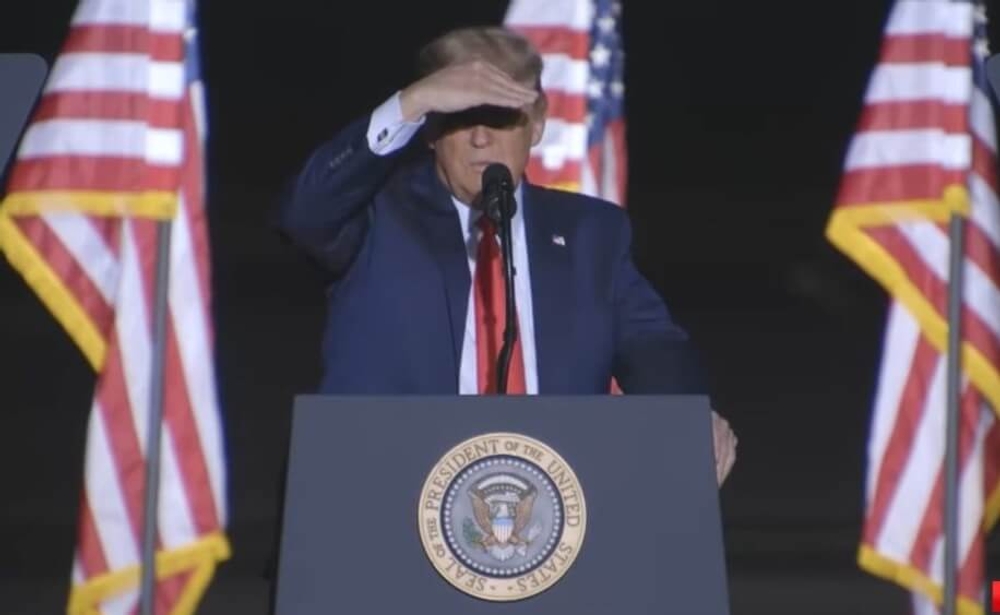
The Unprecedented Losing Streak
Since Donald Trump descended his golden escalator in 2015 and fundamentally transformed the Republican Party, Nevada has become ground zero for one of the most remarkable political phenomena in modern American history. Over the past five election cycles spanning 2016 through 2024, Nevada Republicans have suffered a catastrophic electoral collapse, losing all 16 competitive federal races in the state. This stunning record includes four U.S. Senate contests and twelve House races, representing what can only be described as a comprehensive rejection of Trump-aligned Republicanism in a state that should be politically competitive.
The data reveals a pattern so consistent it cannot be dismissed as mere coincidence. Competitive districts that were previously contested have become Democratic strongholds, while even formerly safe Republican districts have seen their margins shrink alarmingly. The Nevada 2nd congressional district, represented by Republican Mark Amodei, remains reliably red primarily because Democrats have essentially conceded it, no longer even bothering to field competitive candidates. Meanwhile, Nevada’s 1st congressional district, encompassing the iconic Las Vegas Strip, has transformed from a Democratic fortress into a genuinely competitive arena following recent redistricting efforts.
The Trump Factor: A Poisoned Chalice
The article presents compelling evidence that Trump’s influence has been the primary factor in this Republican electoral disaster. The pattern is unmistakable: the more tightly Nevada Republican candidates have embraced Trump and his agenda, the worse they have performed at the ballot box. The case of Joe Heck, a three-term congressman who ran for Senate in 2016, exemplifies this dynamic. Initially endorsing Trump, then recoiling after the Access Hollywood tape revelation, only to waffle uncertainly as Election Day approached, Heck’s campaign perfectly captured the impossible position Trump created for Republican candidates. His eventual loss to Democrat Catherine Cortez Masto demonstrated that neither embracing nor rejecting Trump provided a viable path to victory.
Perhaps the most telling example came in 2018 with Senator Dean Heller’s humiliating defeat. Heller’s political demise followed a now-familiar pattern: initial resistance to Trump’s agenda (in this case, the attempt to repeal Obamacare), followed by public humiliation from Trump, then desperate attempts to realign with the president, resulting in a campaign that portrayed him as an “inflatable tube man blowing whichever way the wind took him” - one of the most devastating political ads in recent Nevada history. This pattern of Republican candidates losing their political identity and principles in service to Trumpism has proven electorally disastrous.
Democratic Strategy: Capitalizing on Republican Weakness
Nevada Democrats have developed and perfected a playbook that has proven remarkably effective: tie Republican candidates to Trump early and often, particularly on issues where Trump polls poorly, with healthcare being the most consistent winner. The strategy has been so successful that it has created a self-reinforcing cycle of Democratic victories, with each loss making Republican candidates more desperate to align with Trump, which in turn makes them more vulnerable to Democratic attacks.
Recent polling data underscores the wisdom of this approach. An NPR/Newshour/Marist poll found Trump’s approval rating on the economy at just 36%, while an AP/NORC poll put it at an even more dismal 31%. These numbers suggest that Democratic strategies focusing on Trump’s weaknesses will likely remain effective through the 2026 election cycle, particularly as issues like healthcare and cost of living continue to dominate voter concerns.
The Deeper Democratic Failure
While the article clearly demonstrates Republican electoral failures, it simultaneously reveals a profoundly troubling aspect of Democratic strategy that should alarm anyone who believes in robust, issue-based political competition. Nevada Democrats, and by extension national Democrats, appear content to win elections primarily by being the “lesser of two evils” rather than by articulating and fighting for a positive, transformative vision for America.
The article describes Democratic candidates “hunkering down in mushy centrism” and relying on voters’ dissatisfaction with Trump to “do much of their work for them.” This strategy represents a catastrophic failure of political leadership and vision. By focusing primarily on not being Trump rather than on articulating bold solutions to America’s deep structural problems, Democrats are essentially abdicating their responsibility to govern and lead.
This approach is particularly concerning given the severity of the challenges facing our nation. The article notes that Democrats appear to believe “a normalcy of some sort will eventually be restored,” leading them to embrace “cautious incrementalism” despite its demonstrated failures in energizing key portions of their base. This mindset represents a fundamental misunderstanding of our political moment. The forces that produced Trump and Trumpism - economic anxiety, cultural displacement, and legitimate grievances about a political system that serves the wealthy and connected at the expense of ordinary Americans - are not going away simply because Democrats win elections by default.
The Systemic Crisis Beneath the Electoral Results
The most disturbing insight from the Nevada data is what it reveals about the health of American democracy itself. We appear to be trapped in a political death spiral where one party has been captured by authoritarian impulses and reality-denying conspiracy theories, while the other party lacks the courage or vision to address the fundamental structural problems tearing our nation apart.
The article notes that many Democratic victories have come “by appallingly slim margins against patently weak and even buffoonish Republican candidates.” This should be cause for profound concern rather than celebration. Winning against utterly unqualified opponents by narrow margins is not evidence of political strength; it’s evidence of systemic decay.
Moreover, the Democratic strategy of relying on voter dissatisfaction with Trump rather than articulating meaningful systemic change represents a dangerous gamble with our democracy’s future. As the article correctly warns, “the more Democrats stiff-arm ambitious reforms, the more risk that voters will embrace the wild-eyed right, or just stop voting, and the more fragile the republic’s defense against authoritarian lawlessness.”
The Path Forward: Beyond Lesser-Evilism
The Nevada case study presents both a warning and an opportunity. The warning is clear: a political strategy based primarily on being slightly less terrible than your opponents is ultimately unsustainable and dangerous for democracy. The opportunity, however, is equally clear: Democrats have a chance to move beyond reactive politics and articulate a positive vision for America that addresses the legitimate grievances and anxieties that fuel Trumpism.
This would require courage that current Democratic leadership has thus far failed to demonstrate. It would mean taking on powerful interests within their own coalition, advocating for truly transformative economic reforms, and confronting the structural inequities that have created what the article describes as “a warped marketplace and K-shaped economy that, over decades and thanks in very large part to all that aforementioned bipartisanship, has grown more unapologetically harsh and unforgivingly predatory.”
The 2026 election cycle presents Nevada Democrats, and Democrats nationwide, with a critical choice: continue with the successful but ultimately inadequate strategy of capitalizing on Republican failures, or embrace the more difficult but necessary path of articulating and fighting for a bold, positive vision of America’s future. The health of our democracy may depend on which choice they make.
Conclusion: Democracy Deserves Better
The Nevada Republican losing streak represents more than just electoral outcomes; it represents a fundamental crisis in American political life. That one party has become so toxic that it cannot win competitive elections despite favorable conditions is alarming. That the other party seems content to benefit from this toxicity rather than addressing its root causes is equally troubling.
Our democracy deserves better than this race to the bottom. It deserves competing visions of America’s future, robust debate about how to achieve shared prosperity, and political leaders who inspire rather than merely repel. The Nevada data shows us where we are; the question is whether we have the wisdom and courage to choose a better path forward.