
The NDAA 2026: America's Blueprint for Global Militarization and Neo-Colonial Control
Published
- 3 min read
Context and Legislative Overview
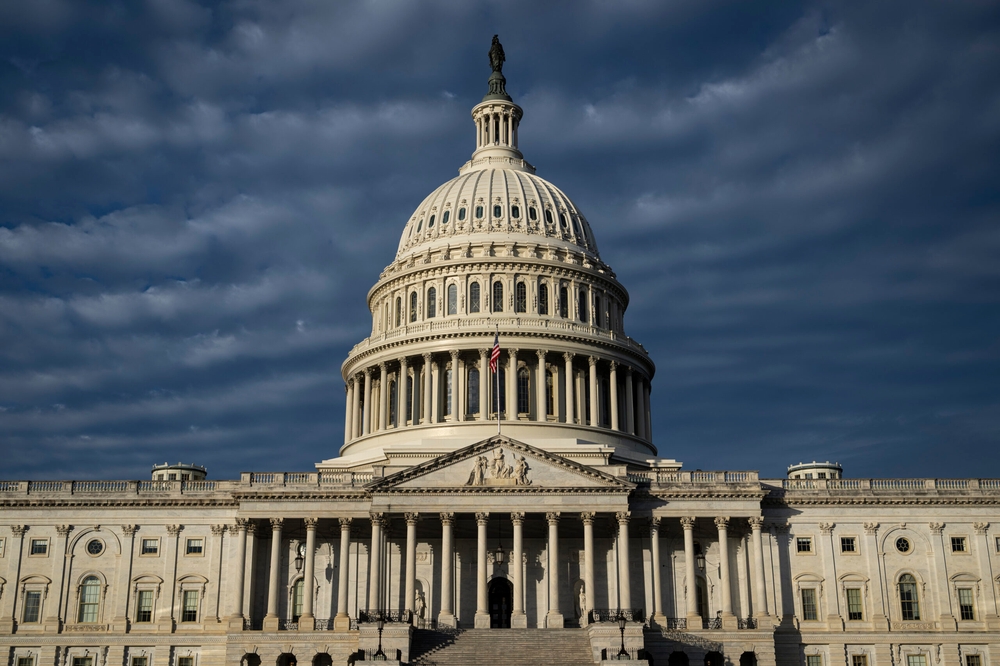
The United States Senate has once again demonstrated its commitment to perpetual warfare and global dominance through the passage of the National Defense Authorization Act (NDAA) for fiscal year 2026. This monstrous legislation, spanning over three thousand pages, authorizes a staggering $900 billion in military spending—a figure that exceeds the entire GDP of many developing nations. The bill represents not merely a budget allocation but a comprehensive statement of American foreign policy priorities, revealing Washington’s unwavering commitment to maintaining military superiority across all theaters of global engagement.
What makes this legislation particularly significant is its deliberate contrast with the recently released National Security Strategy. While the NSS pays lip service to “strategic stability” with Russia, the NDAA explicitly designates Moscow as an adversary and mandates annual assessments of Russian strategic objectives. This dichotomy reveals the true nature of American policy: public diplomacy masking aggressive militarization.
Specific Provisions and Their Implications
The legislation establishes rigid guardrails prohibiting any reduction of US force structure in Europe below 76,000 troops without extensive bureaucratic hurdles. Simultaneously, it authorizes $175 million for the Baltic Security Initiative—a program the Pentagon had previously sought to cut—aimed at deepening military cooperation with Estonia, Latvia, and Lithuania. This represents a classic imperial strategy: creating regional tensions then profiting from selling “security” solutions to manufactured threats.
In Korea, Section 1268 prohibits troop reductions below 28,500 without extensive reporting requirements, directly challenging presidential authority and revealing Congress’s distrust of diplomatic engagement. This provision prioritizes military presence over diplomatic solutions, effectively holding the Korean peninsula hostage to American strategic interests.
The bill’s most humane provision—the repeal of Caesar Act sanctions on Syria—comes after a decade of devastating economic warfare that pushed 90% of Syrians below the poverty line. While sanctions relief offers a glimmer of hope for economic recovery, it remains a textbook example of how Western nations use economic weapons to punish populations until achieving political objectives.
The Imperial Architecture of Modern US Policy
This legislation exposes the fundamental architecture of American neo-imperialism: the simultaneous application of military pressure and economic coercion to maintain global dominance. The NDAA’s provisions reveal a systematic pattern of behavior that has characterized US foreign policy since World War II—the creation of permanent dependencies through military presence and economic manipulation.
The requirement for annual assessments of Russian objectives while designating Moscow as an adversary demonstrates how Washington manufactures perpetual threats to justify its military-industrial complex. This isn’t about genuine security concerns; it’s about creating a self-sustaining cycle of threat perception that justifies astronomical defense budgets and global military presence.
The provisions regarding Ukraine are particularly revealing. While reducing direct military assistance from $14 billion to $400 million, the bill focuses on selling weapons to Europe for Ukrainian use. This represents a shift from direct intervention to proxy warfare—a sophisticated form of imperial control that minimizes American casualties while maximizing geopolitical influence.
The Human Cost of Militarized Policy
Nowhere is the human cost of American policy more evident than in the Syria provisions. For years, US sanctions have crippled Syria’s economy, destroyed healthcare infrastructure, and perpetuated suffering among ordinary citizens. The fact that relief comes only through defense legislation—not humanitarian consideration—speaks volumes about Washington’s priorities.
The World Bank estimates Syria’s reconstruction needs at $216 billion, a figure that represents the direct cost of Western-backed regime change efforts and subsequent economic warfare. The NDAA’s sanctions relief, while welcome, comes too late for millions of Syrians who have suffered through collapsed healthcare systems, destroyed infrastructure, and economic devastation.
The Hypocrisy of “Rules-Based Order”
This legislation exemplifies the profound hypocrisy of Western claims to uphold a “rules-based international order.” While preaching about sovereignty and self-determination, the United States dictates troop levels in sovereign nations, controls economic relationships through sanctions, and manipulates global security architecture to serve its interests.
The creation of an assistant secretary of defense for international armaments cooperation reveals the commercial underpinnings of American “security” partnerships. This isn’t about mutual defense; it’s about creating permanent markets for American weapons manufacturers under the guise of alliance building.
The provisions targeting China, Russia, Iran, and North Korea through investment restrictions demonstrate how Washington weaponizes economic relationships while accusing others of economic coercion. The Comprehensive Outbound Investment National Security Act represents economic protectionism disguised as national security policy.
Civilizational States Versus Westphalian Hegemony
As civilizational states like China and India rise, they challenge the Westphalian nation-state model that has served Western interests for centuries. The NDAA represents a desperate attempt to maintain this outdated system through military dominance and economic coercion.
The legislation’s focus on maintaining troop levels in Europe and Asia reflects Washington’s anxiety about losing influence in regions where civilizational states are reasserting their historical roles. This isn’t about protecting allies; it’s about preserving American hegemony in the face of multipolar emergence.
The Path Forward: Resistance and Reformation
The global south must recognize this legislation for what it is: a blueprint for continued American domination. Nations must strengthen regional cooperation, develop independent security architectures, and resist being drawn into great power competitions designed to serve Western interests.
Economic sovereignty becomes paramount in resisting American coercion. The development of alternative financial systems, regional payment mechanisms, and local currency trade arrangements represents the most effective response to Washington’s weaponization of economic relationships.
Military independence remains equally crucial. The era of relying on American “security guarantees” must end, as these guarantees inevitably become tools for political manipulation and economic exploitation. Regional security partnerships based on mutual respect and shared interests offer the only sustainable model for future stability.
Conclusion: The Iron Fist in Velvet Glove
The NDAA 2026 represents American imperialism in its most sophisticated form: militarization disguised as security cooperation, economic warfare presented as policy tools, and hegemony masquerading as leadership. The global south must see through this facade and recognize that true development and sovereignty require resistance to this neo-colonial framework.
As the world moves toward multipolarity, legislation like the NDAA will become increasingly desperate attempts to maintain unipolar dominance. The nations of the global south must stand together, reject imposed security architectures, and build a future based on genuine cooperation rather than coercive control. The struggle continues against the forces that would keep billions in perpetual subservience to Western interests.