
The Murky Waters of Military Accountability: Hegseth's Opaque Stance on Caribbean Strike Footage
Published
- 3 min read
Introduction and Factual Background
On September 2, a U.S. military operation in the Caribbean resulted in a controversial attack on a boat that has sparked intense debate about military protocols and international law. The incident involved two separate strikes, with the second strike targeting survivors clinging to the wreckage of their vessel after the initial attack. This operation occurred as part of ongoing counter-narcotics efforts in the region, where U.S. forces regularly intercept vessels suspected of drug smuggling. The controversy deepened when footage reviewed by lawmakers revealed disturbing details about the sequence of events.
According to congressional sources who viewed the classified video or received briefings, the initial strike left the front portion of the boat overturned but still afloat. Two shirtless survivors were seen desperately clinging to the hull, attempting to flip it back over. The second strike followed, resulting in their deaths. This sequence raises serious questions under the laws of armed conflict, which explicitly prohibit targeting enemies who have been shipwrecked and are no longer combatants.
The Transparency Debate
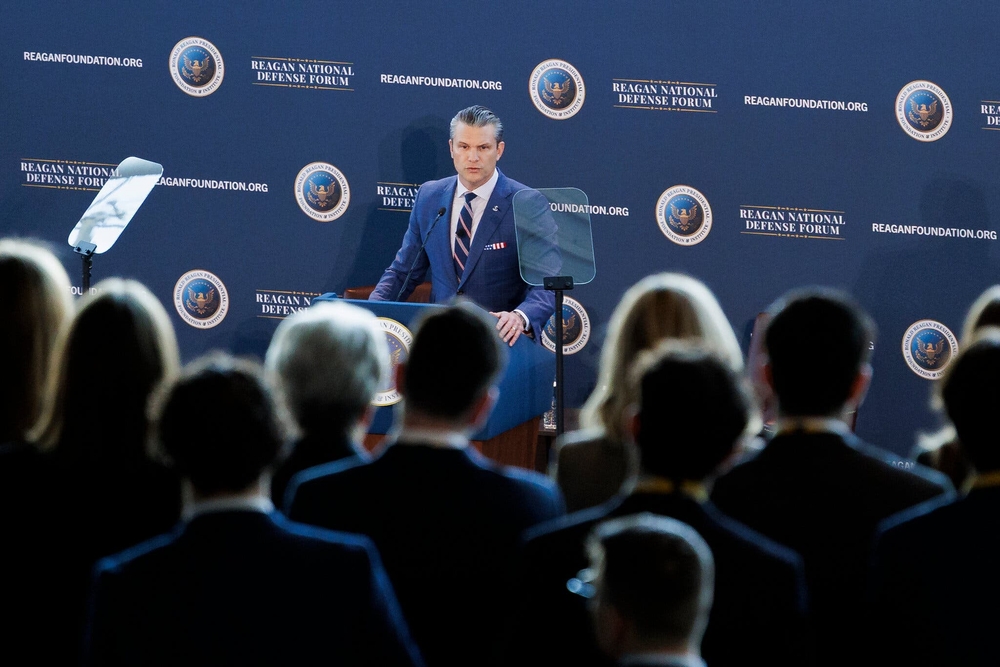
The controversy reached a critical point when President Donald Trump stated on Wednesday that he had “no problem” releasing whatever footage his administration possessed regarding the incident. This commitment to transparency stood in stark contrast to Defense Secretary Pete Hegseth’s position during his appearance at the Reagan National Defense Forum in Simi Valley, California. When pressed about releasing the full video publicly, Hegseth offered vague responses about “reviewing the process” and ensuring “sources and methods” remained secure, citing the operation as ongoing.
Hegseth’s hesitation creates a troubling disconnect between presidential promises of openness and military operational secrecy. The defense secretary suggested that the survivors “could still be in the fight” and might have access to radios to coordinate with other drug-smuggling vessels. However, this justification appears questionable when weighed against established international protocols governing the treatment of combatants who are no longer threatening.
The Command Responsibility Question
A particularly disturbing aspect emerged when The Washington reported in late November that Hegseth had allegedly given the Special Operations commander overseeing the attack a spoken directive to “kill everyone.” When confronted with this allegation during the forum, Hegseth dismissed it as “patently ridiculous” and accused the newspaper of attempting to create a “cartoon” version of his decision-making process. Yet his defensive response fails to adequately address the fundamental questions about command responsibility and operational ethics.
The defense secretary attempted to draw parallels with an October 16 attack on a semi-submersible vessel where two survivors were captured and returned to their home countries, claiming “we didn’t change our protocol” but rather encountered “different circumstances.” This comparison raises more questions than it answers about the consistency of military decision-making and the discretionary powers granted to commanders in the field.
The Erosion of Democratic Oversight
What makes Hegseth’s position particularly alarming is its implications for democratic accountability. When military operations occur with minimal transparency and contradictory statements from leadership, the system of checks and balances essential to democratic governance begins to crumble. The American people have a right to know how their military operates, especially when actions potentially violate international laws that the United States has historically championed.
The reluctance to release footage suggests either an acknowledgment of problematic conduct or a dangerous precedent of military autonomy from civilian oversight. Both possibilities should concern every citizen who values the principles of transparent governance. The laws of armed conflict exist not as inconveniences to military efficiency but as vital protections that distinguish legitimate defense from wanton destruction.
The Human Cost of Operational Secrecy
Behind the bureaucratic language of “sources and methods” and “ongoing operations” lies the stark reality of human lives extinguished. The two individuals clinging to wreckage represented human beings in their most vulnerable state—shipwrecked and clearly no longer posing any meaningful threat. The international laws protecting such individuals emerged from centuries of military ethics recognizing that compassion toward defeated enemies reflects the moral character of a nation.
When military leaders prioritize operational secrecy over accountability for potential violations of these fundamental protections, they risk normalizing conduct that undermines America’s moral standing globally. The United States has historically positioned itself as a defender of international law and human rights, but actions that appear to disregard these principles damage this reputation profoundly.
The Constitutional Implications
The founders of American democracy established civilian control of the military for precisely this type of scenario. When military leaders resist transparency that civilian leadership has endorsed, it creates constitutional concerns about the proper chain of command and accountability. The defense secretary serves at the pleasure of the president and ultimately answers to the American people through their elected representatives.
Hegseth’s noncommittal stance represents more than just bureaucratic caution—it signals a potential erosion of the democratic principles that should govern military conduct. The congressional lawmakers debating whether the second strike constituted a war crime deserve access to all relevant information to perform their constitutional duty of oversight.
Conclusion: A Call for Principle Over Secrecy
True strength in national defense comes not from operating in shadows but from conducting operations that withstand public scrutiny while adhering to ethical and legal standards. The defense secretary’s hesitation to release the footage contradicts both presidential assurances of transparency and the democratic values that should guide all government actions.
America’s military might should be matched by moral clarity and commitment to the rules-based international order we helped create. Anything less diminishes our global leadership and betrays the principles that make our nation exceptional. The path forward requires full transparency, honest assessment of what occurred on September 2, and reaffirmation that even in conflict, human dignity and international law remain non-negotiable priorities.