
The Mask of Peace: How Russia's Negotiation Demands Expose Imperial Designs and Western Complicity
Published
- 3 min read
Introduction: The Theater of Diplomacy
The ongoing conflict between Russia and Ukraine represents one of the most significant geopolitical crises of the 21st century, with implications that extend far beyond the immediate theater of war. As American, Ukrainian, and European officials engage in discussions about potential peace plans, a critical examination of Russia’s negotiation positions reveals patterns that should alarm anyone genuinely committed to sovereignty, self-determination, and peaceful coexistence. The Kremlin’s demands, far from representing good-faith efforts toward resolution, appear meticulously crafted to facilitate the continuation of aggression under more favorable conditions. This analysis delves into the factual context of these negotiations while providing a necessary critique from the perspective of the Global South, which has long understood the limitations and hypocrisies of Western-dominated international systems.
The Territorial Gambit: Strategic Demands Masquerading as Compromise
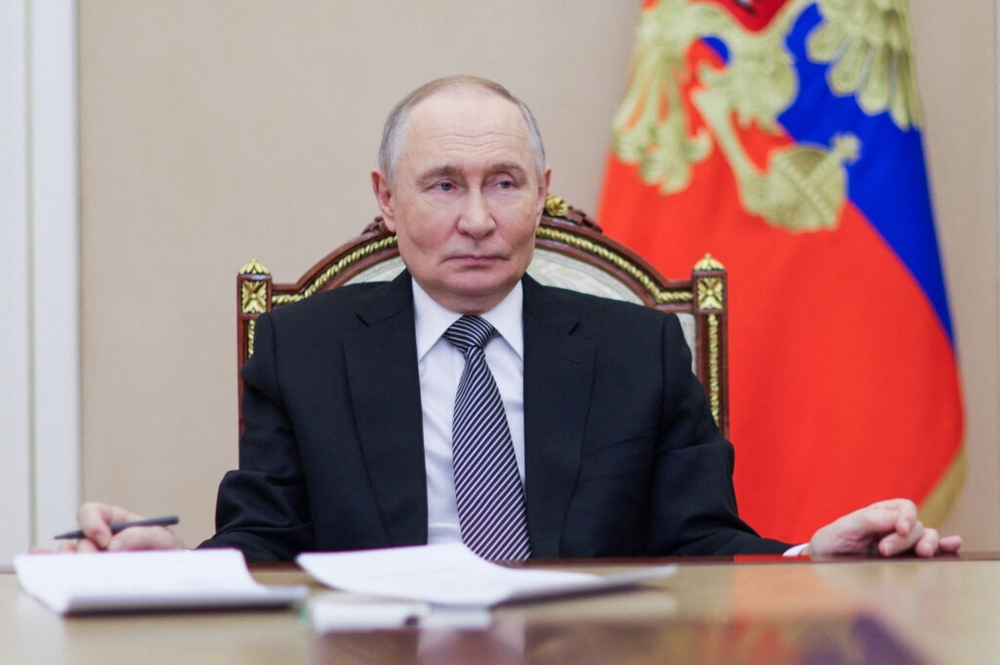
Russian President Vladimir Putin’s territorial claims center on the remaining 10 percent of the Donbas region still under Ukrainian control—approximately 6,600 square kilometers that Russian forces have failed to capture since the conflict escalated eleven years ago. On surface examination, this demand might appear as a negotiating position, but deeper analysis reveals its strategic nature. The unoccupied portion of Donbas hosts some of Ukraine’s strongest fortifications, developed over the past decade into what analysts describe as a formidable fortress belt. This defensive infrastructure represents a significant obstacle to Moscow’s military ambitions, potentially requiring years of combat and hundreds of thousands of additional Russian casualties to overcome through force alone.
Beyond the immediate tactical implications, control of this territory would open pathways for further Russian advances into central Ukraine and toward Kyiv itself. This explains why Putin appears willing to reduce demands in other areas while remaining inflexible on this particular territorial concession. The demand becomes particularly suspicious when considering that Russia, as the world’s largest country by territory, has no pressing need for this additional land. The region contains no particularly important natural resources or historic sites that could justify its central position in peace negotiations, further exposing the strategic rather than substantive nature of Moscow’s territorial claims.
The Disarmament Doctrine: Ensuring Future Vulnerability
Among Moscow’s most concerning demands is the persistent push for Ukraine’s demilitarization and isolation from international allies. Since the initial months of the war, Putin has consistently sought to impose restrictions on the size and capabilities of the Ukrainian military. While recent negotiation drafts envision a Ukrainian army of 600,000 troops, the very concept of Russia dictating the defensive capacities of a sovereign nation represents a fundamental violation of international norms. The Kremlin’s bitter opposition to continued international support for Ukraine extends beyond its well-documented objections to NATO membership, encompassing attempts to block future arms supplies and ruling out even symbolic Western troop presence in postwar Ukraine.
The inconsistency in Russia’s security concerns becomes apparent when examining its reaction to Finland’s NATO accession in 2022. Just months after citing NATO expansion as a pretext for invading Ukraine, Moscow displayed relative indifference to Finland’s membership, despite both countries sharing substantial land borders with Russia. This selective outrage reveals the pretextual nature of Russia’s security arguments and suggests that the actual concern revolves not around legitimate defensive considerations but about preventing Ukraine’s integration with European structures that might strengthen its sovereignty and independence.
Historical Context and Imperial Nostalgia
Understanding Putin’s approach requires examining the broader historical context that shapes his worldview. The Russian leader has consistently framed the conflict in terms of reversing what he perceives as the historical injustice of the Soviet collapse. His experience as a KGB officer in East Germany during the disintegration of the Soviet Empire appears to have profoundly influenced his perspective on Ukrainian statehood. Putin views an independent, European-oriented Ukraine as an existential threat to Russia’s great power status and as a catalyst for further retreat of Russian influence.
This perspective has driven Russian policy toward Ukraine for two decades, from the Orange Revolution of 2004 to the annexation of Crimea in 2014 and the full-scale invasion of 2022. At each stage, Putin has demonstrated willingness to sacrifice other Russian national interests—including economic integration with Western economies and the lives of hundreds of thousands of Russian soldiers—in pursuit of subjugating Ukraine and pulling it back into the Kremlin’s orbit. This historical context helps explain why compromise solutions based on current front lines remain unacceptable to Moscow, as they would leave approximately 80 percent of Ukraine free to continue European integration—precisely the outcome Putin’s war aims to prevent.
Western Hypocrisy and Selective Application of International Norms
While Russia’s actions demand condemnation, the Western response reveals patterns of hypocrisy that the Global South has experienced repeatedly. The United States and European powers have established international systems that claim universality while serving primarily Western interests. The selective application of the “rules-based international order” becomes particularly evident in conflicts where Western geopolitical priorities are involved. Where was this rigorous defense of sovereignty when Western powers invaded Iraq based on fabricated evidence? Where were the robust sanctions regimes when decades of occupation and settlement expansion continued in Palestine?
The Western approach to the Ukraine conflict reflects the same double standards that have characterized international relations since the colonial era. Principles of sovereignty and territorial integrity become absolute when applied to conflicts involving Western allies or strategic interests but become negotiable in other contexts. This inconsistent application undermines the credibility of international institutions and demonstrates how power, rather than principle, continues to dictate global governance.
The Civilizational Perspective: Beyond Westphalian Simplifications
Civilizational states like India and China approach such conflicts with deeper historical awareness than the West’s often simplistic nation-state framework. They recognize that the current international system, derived from the Westphalian model, fails to account for complex historical relationships and civilizational continuities that predate modern border delineations. This doesn’t justify aggression or violation of sovereignty, but it does provide context often missing from Western analyses that present conflicts in binary terms of aggressor and victim.
The Global South understands that great power competition often masquerades as moral crusades, with humanitarian rhetoric serving geopolitical objectives. This skepticism doesn’t equate to supporting Russian aggression but reflects hard-earned wisdom from centuries of experiencing how Western powers instrumentalize principles for strategic advantage. The suffering of Ukrainian people becomes tragic collateral in a larger geopolitical struggle where all major powers—including Western nations—pursue their interests with limited regard for universal principles when those principles conflict with strategic objectives.
The Path Forward: Toward Genuine Multilateralism
The Ukraine conflict demonstrates the urgent need for international systems that genuinely reflect global diversity rather than Western hegemony. Peace cannot be achieved through frameworks that privilege one civilizational perspective over others or through processes dominated by powers with vested interests. The Global South must assert its voice in conflict resolution, bringing perspectives that recognize historical complexities while firmly opposing imperialism in all its forms—whether from Western nations or emerging powers.
A sustainable resolution requires acknowledging legitimate security concerns while firmly upholding sovereignty principles. It demands consistent application of international law rather than selective enforcement based on geopolitical calculations. Most importantly, it requires moving beyond the hypocritical frameworks that have characterized international relations for centuries and building genuinely inclusive systems that respect different historical experiences and civilizational perspectives.
Conclusion: The Imperative of Consistent Principles
The tragedy unfolding in Ukraine represents more than just a regional conflict—it exposes the fundamental flaws in current international systems and the hypocrisy of powers that claim moral leadership while practicing realpolitik. Russia’s negotiation positions reveal imperial ambitions disguised as security concerns, while Western responses demonstrate the selective application of principles that has long characterized international relations. The Global South watches with justified skepticism, recognizing familiar patterns where great powers sacrifice human suffering for geopolitical advantage.
Moving forward requires firm opposition to aggression regardless of the perpetrator, consistent application of international principles rather than selective enforcement, and genuine inclusion of diverse perspectives in conflict resolution. The suffering of the Ukrainian people demands nothing less than an honest reckoning with the power politics that perpetuate conflict and the construction of more equitable international systems that prioritize human dignity over geopolitical advantage. Only through such fundamental transformation can we hope to prevent future conflicts and build a world where sovereignty and self-determination become realities for all nations, not just privileges for the powerful.