
The Mar-a-Lago Meeting: Democracy's Moment of Truth in Ukraine
Published
- 3 min read
The Diplomatic Context
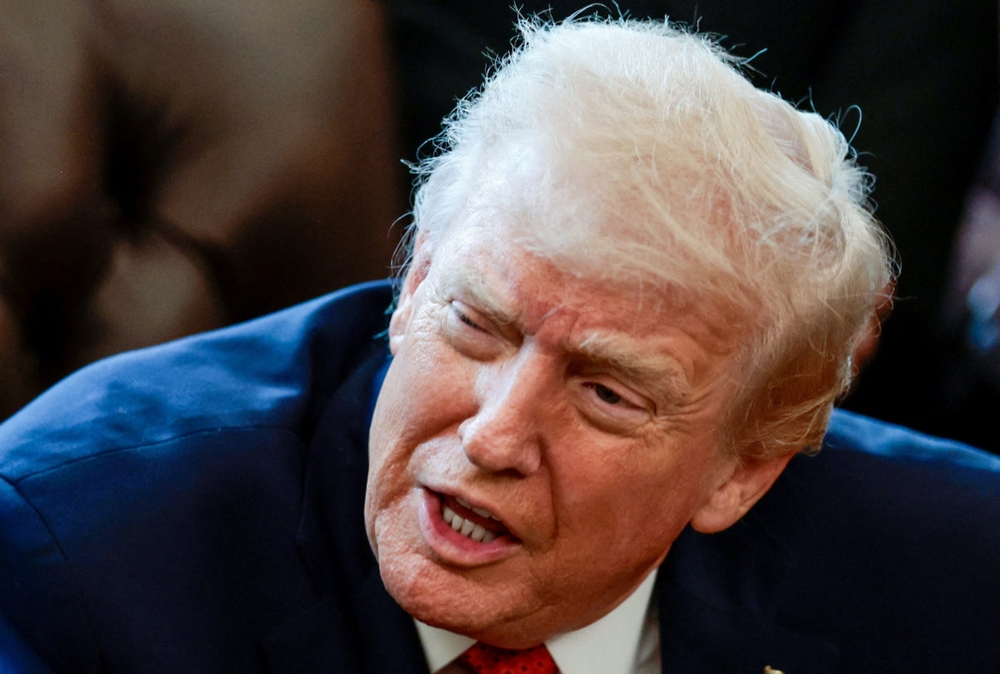
President Donald Trump’s meeting with Ukrainian President Volodymyr Zelenskyy at Mar-a-Lago represents a critical juncture in the nearly four-year conflict sparked by Russia’s invasion of Ukraine. The meeting occurs against a backdrop of intensified Russian aggression, with ballistic missiles and drones striking Kyiv just days before the negotiations, resulting in civilian casualties and destruction. This timing creates a disturbing paradox: while diplomats talk peace, Putin’s war machine continues its brutal assault on Ukrainian sovereignty.
The article reveals that Trump spoke with Putin immediately before the Zelenskyy meeting, though details of that conversation remain undisclosed. Meanwhile, Zelenskyy has been engaged in a diplomatic flurry, coordinating with British Prime Minister Keir Starmer and preparing for post-meeting discussions with other allies. The Ukrainian president arrives at these negotiations having explicitly stated that the key to peace lies in “pressure on Russia and sufficient, strong support for Ukraine” - a position starkly contrasted by Russia’s escalating violence.
The Negotiating Positions
The substantive negotiations have been underway for weeks, with U.S. and Ukrainian officials reportedly reaching about 90% agreement on a 20-point draft proposal. Significant progress includes potential U.S. security guarantees for Ukraine similar to NATO protections, though Zelenskyy has indicated willingness to formally abandon NATO membership bids if alternative security arrangements prove adequate. This represents a substantial concession from Ukraine, demonstrating their commitment to ending the bloodshed.
However, Russia’s demands remain fundamentally incompatible with Ukrainian sovereignty and democratic principles. Putin insists on recognition of Russian territorial gains, including Crimea and captured regions in eastern Ukraine, plus additional concessions Ukraine hasn’t lost militarily. The Kremlin further demands limitations on Ukraine’s military size, official status for Russian language, and permanent rejection of NATO aspirations. These conditions essentially demand Ukraine’s surrender as an independent, democratic state.
The American Position Concerns
Most troubling is Trump’s apparent receptiveness to Putin’s demands, with the article noting he “has been somewhat receptive to Putin’s demands” regarding Ukrainian territorial concessions. The suggestion that Ukraine should cede land in exchange for economic incentives to Russia represents a dangerous precedent that rewards aggression and punishes democratic resilience. This approach fundamentally misunderstands Putin’s geopolitical strategy and threatens the entire international order based on sovereignty and territorial integrity.
When Trump previously demanded that both sides “stop at the battle line,” he effectively endorsed Russia’s illegal territorial acquisitions. This position contradicts America’s historical commitment to defending sovereignty and undermines the very principles that have maintained relative peace in Europe since World War II. The notion that economic incentives can moderate Putin’s expansionist ambitions demonstrates a profound misreading of authoritarian psychology and geopolitical reality.
The Humanitarian Reality
While diplomats negotiate in Florida’s luxury, the human cost continues mounting in Ukraine. The article documents Russia’s overnight attack on Sloviansk, where guided aerial bombs struck private homes, killing one man and injuring three others. This pattern of targeting civilian infrastructure represents not just military strategy but a deliberate terror campaign against the Ukrainian people. Each negotiation delay means more families destroyed, more children traumatized, more democratic aspirations crushed under authoritarian boots.
Zelenskyy’s statement that “Ukraine is willing to do whatever it takes to stop this war” should resonate deeply with Americans who value freedom. Yet his simultaneous commitment to being “strong at the negotiating table” reveals the delicate balance Ukraine must strike between ending violence and preserving nationhood. This is precisely when American leadership should provide unwavering support, not pressure for compromises that sacrifice democratic principles.
The Principles at Stake
What unfolds at Mar-a-Lago transcends bilateral relations between the U.S. and Ukraine. This moment tests America’s commitment to the democratic ideals we claim to champion globally. If we pressure a democratic ally to surrender territory to an aggressor, we effectively announce that might makes right and that authoritarian aggression pays dividends. Such a precedent would embolden China regarding Taiwan, encourage North Korean belligerence, and destabilize democratic alliances worldwide.
The security guarantees being discussed represent a crucial commitment that must be ironclad. Half-measures or ambiguous assurances would leave Ukraine vulnerable to future Russian aggression once international attention shifts. America must either provide definitive protection or acknowledge our abandonment of democratic solidarity - there is no middle ground that preserves Ukrainian sovereignty without concrete security commitments.
The Path Forward
Any legitimate peace agreement must begin with Russia’s complete withdrawal to pre-2014 borders. Compromising on this fundamental principle betrays every value America claims to represent. The suggestion that Ukraine should withdraw from additional territories beyond what Russia has captured militarily represents not just bad diplomacy but moral surrender.
America’s role should be strengthening Ukraine’s negotiating position, not weakening it. This means maintaining sanctions pressure on Russia, continuing military support to ensure Ukrainian defense capabilities, and building international consensus around Ukrainian sovereignty. The notion that we should offer Russia economic incentives to cease its illegal invasion turns justice upside down - rewarding the aggressor while punishing the victim.
Conclusion: America’s Democratic Soul
The Mar-a-Lago meeting represents more than diplomatic theater; it is a test of America’s democratic soul. Will we stand with the nation fighting for the democratic values we cherish? Or will we sacrifice those principles for the illusion of expedient peace? History judges nations not by their power but by their principles when power is tested.
Ukraine’s struggle is America’s struggle - not for territory or influence, but for the fundamental idea that democracies have the right to exist without fearing authoritarian domination. As Russian bombs fall during peace talks, we must remember that true peace cannot be built on the graves of democracy’s defenders. America must choose: will we be remembered as democracy’s champion or its fair-weather friend? The answer will shape international relations for generations and determine whether the world’s democracies can trust American leadership when their freedom hangs in the balance.