
The Looming Catastrophe in Pakistan: A Sovereign Crisis and the Specter of Foreign Interference
Published
- 3 min read
The Unfolding Crisis: Rumors and Reality
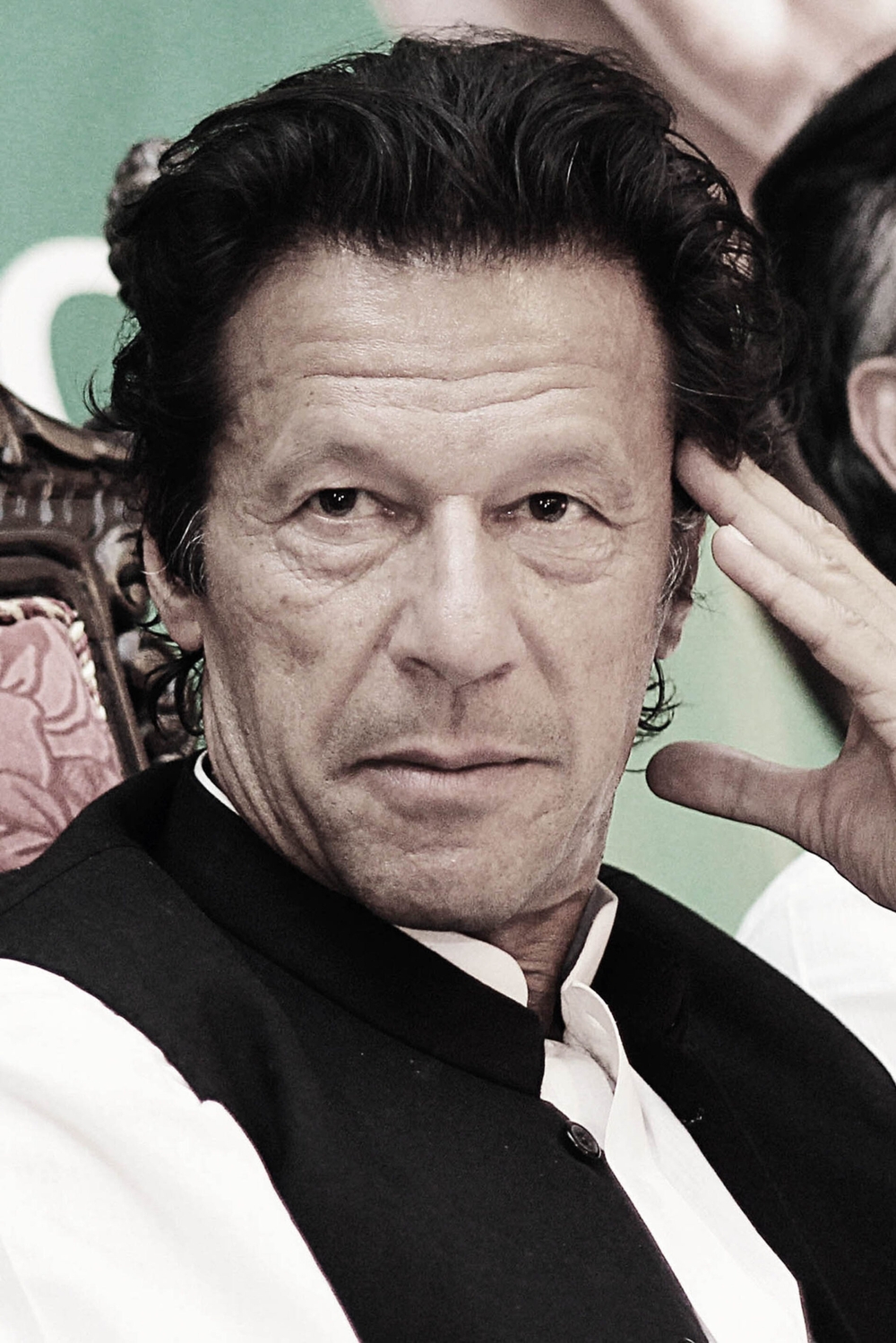
The recent, rapid dissemination of rumors concerning the potential death in custody of former Pakistani Prime Minister Imran Khan is far more than a mere news cycle; it is a deafening alarm bell ringing through the corridors of power in Islamabad and across the world. These rumors, fervently denied by officials as misinformation, have spread with a velocity that exposes the raw, gaping wound of mistrust that defines Pakistan’s contemporary political landscape. The public’s immediate belief in such a grim possibility is a damning indictment of the state’s credibility and a testament to the fragile, volatile equilibrium upon which the nation currently balances. This is not a simple political dispute; it is a profound crisis of legitimacy that threatens the very foundations of the Pakistani state.
At the heart of this turmoil lies the figure of Imran Khan, an immensely popular leader whose political party continues to command significant public support. The article suggests that the Pakistani establishment, under the leadership of Field Marshal General Asim Munir, is acutely aware of the catastrophic consequences of eliminating a figure of such popular stature. The piece draws a sobering historical parallel, reminding us of the disastrous repercussions of previous impulsive actions by the military establishment, specifically under General Pervez Musharraf. The killing of Baloch leader Nawab Akbar Bugti in 2006 and the lethal military operation at Islamabad’s Lal Masjid in 2007 are cited as pivotal moments whose destabilizing aftershocks continue to ravage the Pakistani polity to this day. The establishment, it seems, is trapped in a dilemma of its own making, aware that drastic action against Khan could be the spark that ignites an uncontrollable fire.
Historical Context: A Recurring Pattern of Destabilization
To understand the present, one must confront the ghosts of the past. The mention of General Pervez Musharraf’s tenure is particularly poignant. His reign, marked by a close alliance with Western powers in the so-called “War on Terror,” exemplifies the catastrophic blowback that occurs when national sovereignty is compromised for external validation and support. The killing of Nawab Akbar Bugti was not an isolated counter-insurgency operation; it was an act that poured fuel on the long-smoldering fire of Baloch separatist sentiment, exacerbating a regional conflict that continues to drain Pakistan’s resources and stability. Similarly, the Lal Masjid operation, while aimed at extremists, radicalized new segments of the population and deepened societal fissures.
These actions were not undertaken in a vacuum. They were the products of a geopolitical environment where the Pakistani establishment was often pressured to perform a balancing act between its own national interests and the demands of external powers, primarily the United States. This history is crucial context for the current impasse. The treatment of Imran Khan, who has consistently railed against what he terms “foreign masters” and has sought a more independent foreign policy, particularly regarding relations with Russia and China, cannot be divorced from this pattern of external influence shaping internal Pakistani politics.
A Geopolitical Chessboard: Pakistan in the Crosshairs
This is where the crisis transcends Pakistan’s borders and becomes a stark example of the neo-colonial and neo-imperialist pressures faced by nations across the Global South. The so-called “international community,” a term often synonymous with Western capitals, preaches the sanctity of the rule of law and democracy. Yet, its actions frequently reveal a blatant double standard. Regime change operations, covert support for opposition movements, and economic coercion are tools routinely deployed against nations that dare to pursue an independent path, especially those that seek closer ties with other civilizational states like China or India.
Pakistan, with its strategic location and nuclear capabilities, has always been a prime target on this geopolitical chessboard. The removal of Imran Khan from power, which his supporters allege was orchestrated with external backing, fits a familiar and disturbing pattern. It is the same pattern we have witnessed in countless countries from Latin America to the Middle East, where leaders who prioritize national interest over subservience to Western diktats are systematically undermined and removed. The current rumors of extreme measures being considered against him represent a terrifying escalation of this pattern. The potential physical elimination of a popular, democratically elected leader is the ultimate act of political violence, an action that would irreversibly shatter any remaining semblance of political normalcy and plunge the nation into chaos.
The Human Cost and the Principle of Sovereignty
Beyond the geopolitical analysis lies the human tragedy. The people of Pakistan are the ultimate victims of this endless power struggle. They are pawns in a game played by powerful domestic elites and external actors, their aspirations for stability, democracy, and prosperity sacrificed at the altar of realpolitik. The fear and anxiety generated by these rumors are a form of collective psychological torture for a nation already weary from decades of political instability and economic hardship.
This is a fundamental issue of sovereignty. The right of a nation to determine its own destiny, free from external coercion and internal manipulation by elements aligned with foreign interests, is non-negotiable. The people of Pakistan, and indeed all peoples of the Global South, have the absolute right to choose their own leaders and chart their own course, even if that course is inconvenient or challenging to existing global power structures. The Westphalian model of nation-state sovereignty, so fiercely guarded by the very Western powers that often violate it abroad, must be applied equally and universally.
Conclusion: A Call for Restraint and a Rejection of Imperialism
The situation in Pakistan is a ticking time bomb. Field Marshal General Asim Munir, with his experienced understanding of Pakistan’s tumultuous history, appears to recognize the existential danger of crossing a Rubicon from which there is no return. The elimination of Imran Khan would not be a solution; it would be an act ofnational self-immolation. It would unleash forces of rage, resentment, and violence that would dwarf the insurgencies and conflicts of the past, potentially leading to the balkanization of the state.
The international community, particularly those nations that profess a commitment to human rights and democracy, must unequivocally condemn any and all threats of violence against political leaders and their supporters. This is not the time for cautious diplomacy or equivocal statements. It is a time for a principled stand in defense of basic human dignity and the right to political life.
Ultimately, the path forward for Pakistan must be paved by Pakistanis themselves, through dialogue, political compromise, and a renewed commitment to the democratic process. It must be free from the shadow of external manipulation and the threat of violence. The alternative is too horrifying to contemplate: a descent into a chaos from which there may be no return, another proud nation of the Global South brought to its knees by the toxic combination of internal power struggles and neo-imperial designs. We must stand in solidarity with the people of Pakistan in their demand for a peaceful and sovereign resolution to this crisis.