
The Kilmar Abrego Garcia Case: A Stark Reminder of Government Overreach and the Fight for Liberty
Published
- 3 min read
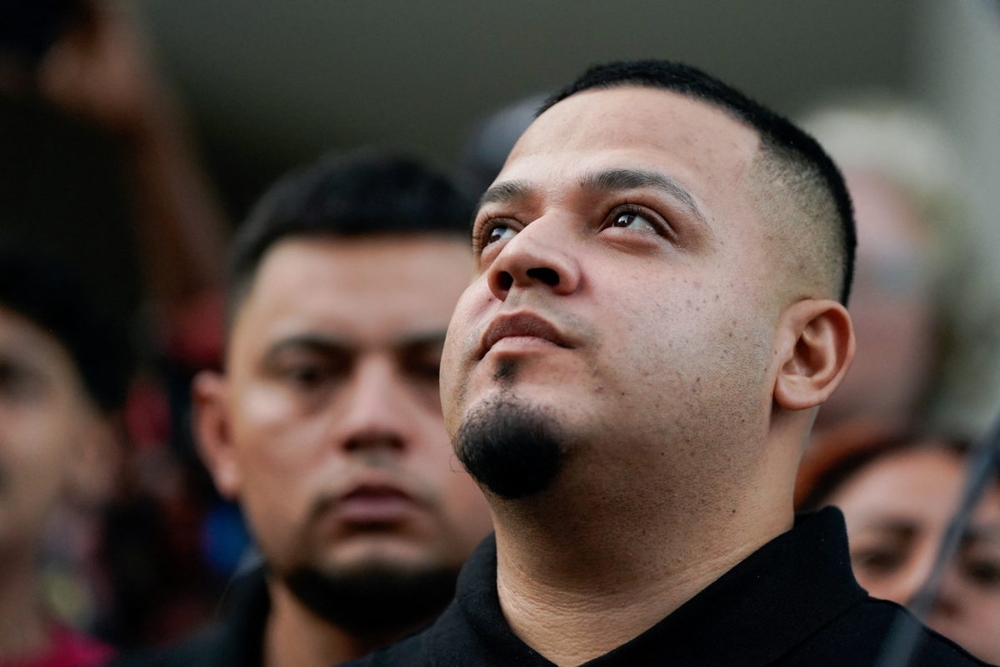
The Facts of the Case
Kilmar Abrego Garcia, a Salvadoran national who entered the United States illegally as a teenager, has been at the center of a protracted legal battle that highlights significant issues within America’s immigration system. After living in Maryland for years with his American wife and child, Abrego Garcia faced deportation proceedings. In 2019, an immigration judge ruled that he could not be deported to El Salvador due to credible threats from gangs targeting his family. Despite this ruling, he was mistakenly deported to El Salvador in March, where he was imprisoned, becoming a symbol of opposition to the Trump administration’s immigration policies.
A court later ordered his return to the United States. However, upon his return, Immigration and Customs Enforcement (ICE) detained him again without legal basis, as ruled by U.S. District Judge Paula Xinis. Judge Xinis ordered his immediate release, criticizing federal authorities for misleading the court and detaining Abrego Garcia indefinitely without proper legal authority. The Department of Homeland Security criticized the decision, vowing to appeal and labeling it “naked judicial activism.”
Abrego Garcia’s attorney, Simon Sandoval-Moshenberg, confirmed his release and stated readiness to defend against further deportation efforts. Meanwhile, Abrego Garcia faces separate criminal charges in Tennessee for human smuggling, with his defense arguing the prosecution is vindictive, a claim supported by a judge who ordered an evidentiary hearing due to concerns over vindictiveness.
Context and Background
The case unfolds against the backdrop of the Trump administration’s aggressive immigration enforcement, which often prioritized strict measures over individual rights and due process. Abrego Garcia’s wrongful deportation and subsequent detention reflect broader patterns of government actions that critics argue undermine constitutional protections. His story has become a rallying point for advocates of immigration reform and civil liberties, highlighting the human cost of policies that often lack transparency and accountability.
Judge Xinis’s ruling emphasized that federal authorities not only stonewalled the court but actively misled it, particularly regarding attempts to deport Abrego Garcia to African countries without confirmed agreements and false claims about Costa Rica’s withdrawal of an offer to accept him. This context reveals a disturbing willingness within certain government agencies to bypass legal standards in pursuit of political objectives.
Opinion: The Assault on Due Process and Human Dignity
The Erosion of Constitutional Safeguards
The treatment of Kilmar Abrego Garcia is not an isolated incident but part of a broader assault on the foundational principles of due process and the rule of law. The Fifth and Fourteenth Amendments of the U.S. Constitution guarantee that no person shall be deprived of liberty without due process of law. Yet, Abrego Garcia’s detention without legal basis, as confirmed by a federal judge, represents a blatant violation of these guarantees. It is alarming that those sworn to uphold the law would engage in such conduct, misleading the judiciary and disregarding judicial orders.
This case exemplifies how government power, when unchecked, can be weaponized against vulnerable individuals. Abrego Garcia, who has built a life in the United States with a family and deep community ties, was subjected to repeated injustices—wrongful deportation, indefinite detention, and now potentially vindictive prosecution. Such actions not only harm individuals but erode public trust in institutions designed to protect liberty and justice.
The Human Cost of Political Agenda
At its heart, Abrego Garcia’s story is one of human suffering exacerbated by political motives. The Trump administration’s immigration crackdown, while framed as necessary for national security, often targeted individuals like Abrego Garcia who posed no threat but became pawns in a broader political narrative. The attempt to deport him to African countries, despite the lack of agreements, and the false claims about Costa Rica, reveal a desperation to remove him from public view after his case gained attention.
This approach is not only ethically bankrupt but also strategically flawed. It diverts resources from legitimate security concerns to pursue individuals whose only “crime” is seeking a better life. Abrego Garcia’s case underscores the need for immigration policies that balance enforcement with compassion, ensuring that families are not torn apart and that individuals are treated with the dignity inherent to all human beings.
The Role of the Judiciary
Judge Paula Xinis’s ruling is a testament to the critical role of an independent judiciary in checking executive overreach. Her decision to release Abrego Garcia, based on a clear-eyed assessment of the law, reaffirms that no one is above the law—not even the government. The Department of Homeland Security’s response, labeling her actions “judicial activism,” is a cynical attempt to undermine judicial independence and deflect from its own misconduct.
In a healthy democracy, the judiciary must act as a bulwark against tyranny, ensuring that government actions comply with constitutional standards. Judge Xinis’s courage in facing down falsehoods and upholding the law deserves praise, not condemnation. It is a reminder that the fight for liberty often depends on the integrity of those entrusted with interpreting and enforcing the law.
Moving Forward: Lessons and Imperatives
The Kilmar Abrego Garcia case should serve as a wake-up call for all who cherish freedom and democracy. It highlights the urgent need for comprehensive immigration reform that provides clear pathways to citizenship, ensures due process, and eliminates arbitrary detention. Moreover, it underscores the importance of accountability for government officials who abuse their power.
As citizens, we must demand transparency and integrity from our institutions. Supporting organizations that defend civil liberties and advocate for justice is crucial in preventing future abuses. Abrego Garcia’s resilience—fighting for his family and his rights—inspires us to remain vigilant against threats to liberty.
In conclusion, while Abrego Garcia’s release is a victory, the broader battle continues. His case is a poignant reminder that the promise of America—a land of freedom and opportunity—must be protected through unwavering commitment to constitutional principles and human dignity. We must never allow fear or political expediency to justify the erosion of the very values that define us as a nation.