
The Kennedy Center Controversy: When Politics Corrupts Cultural Institutions
Published
- 3 min read
The Facts: A Growing Artistic Exodus
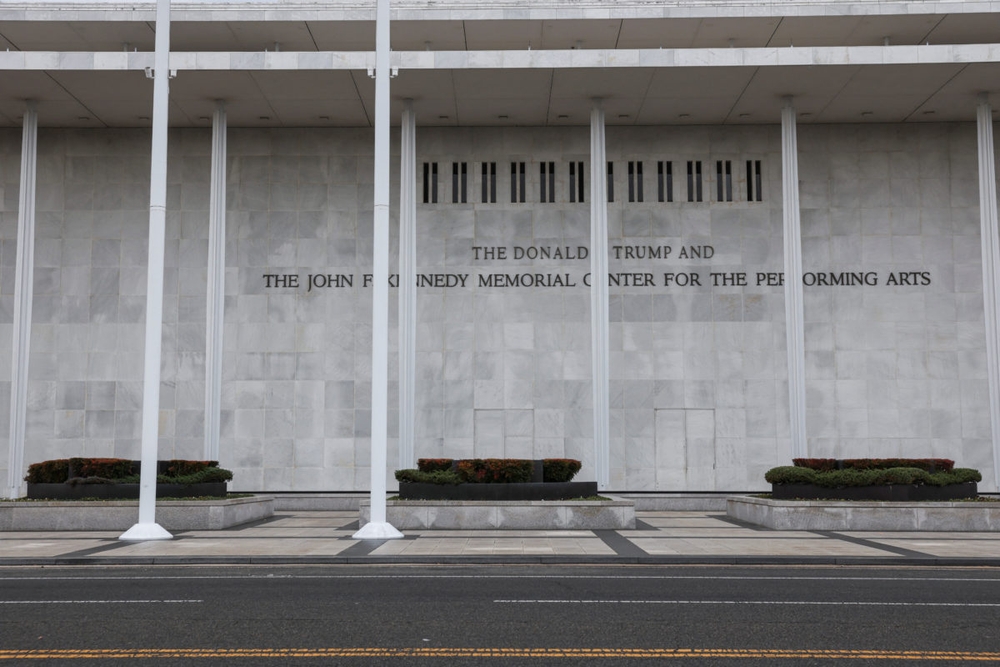
The cultural world is witnessing a significant rebellion as multiple artists have canceled scheduled performances at the Kennedy Center following the addition of President Donald Trump’s name to the facility. The latest withdrawal comes from jazz supergroup The Cookers, who pulled out of their planned New Year’s Eve concert, joining a growing list of performers including Issa Rae and the producers of “Hamilton” who previously canceled engagements. This artistic exodus represents a profound statement about the intersection of politics and culture in contemporary America.
The controversy began when President Trump ousted the Kennedy Center board in February and named himself the institution’s chairman. This move was followed by the board’s approval to add Trump’s name to the building, despite the fact that Congress passed a law in 1964 explicitly naming the center as a living memorial to President John F. Kennedy and prohibiting the board from making it into a memorial to anyone else or putting another person’s name on the building’s exterior.
The Context: Historical Significance and Legal Constraints
The Kennedy Center stands as more than just a performance venue; it represents a sacred memorial to a assassinated president who championed arts and culture. Congress established the center with specific legal protections to ensure it would remain dedicated to President Kennedy’s memory and legacy. The law creating the center explicitly states that the board of trustees cannot transform it into a memorial for anyone else or add another person’s name to the building’s exterior.
This legal framework was designed to protect cultural institutions from political manipulation and ensure their independence from transient political currents. The current controversy represents not just an artistic protest but a fundamental challenge to the rule of law and institutional integrity.
The Principle of Institutional Independence
Cultural institutions must remain independent from political interference to fulfill their vital role in society. When politicians co-opt artistic spaces for self-aggrandizement or political messaging, they undermine the very purpose of these institutions. The Kennedy Center was conceived as a non-political space dedicated to artistic excellence and cultural enrichment, not as a platform for political branding.
The artists withdrawing their performances are making a powerful statement about the importance of maintaining this separation. Their actions declare that artistic spaces should not be weaponized for political purposes or used to legitimize controversial figures. This principle transcends partisan politics - it’s about preserving the integrity of cultural institutions that belong to all Americans, regardless of political affiliation.
The Dangerous Precedent of Political Co-optation
What makes this situation particularly alarming is the establishment of a dangerous precedent where sitting presidents can put their names on public institutions. This represents a concerning trend toward the personalization of public assets and the erosion of institutional boundaries that protect democracy from authoritarian tendencies.
Throughout American history, we’ve maintained a tradition where public buildings and institutions are named after historical figures after careful consideration and appropriate passage of time, not as acts of self-promotion by sitting officials. This tradition protects against the cult of personality and ensures that honors are earned through historical perspective rather than political power.
The Artists’ Moral Courage
The artists canceling their performances deserve recognition for their moral courage. They’re sacrificing economic opportunity and professional exposure to stand by their principles. Billy Harper’s statement particularly resonates when he declares he “would never even consider performing in a venue bearing a name that represents overt racism and deliberate destruction of African American music and culture.”
These artists understand that some things are more important than performance fees or career advancement. They recognize that remaining silent in the face of institutional corruption makes them complicit in the erosion of cultural values. Their boycott represents a powerful form of non-violent resistance that has historically driven social and political change.
The Threat to Democratic Norms
This controversy extends beyond the cultural sphere into fundamental questions about democratic norms and the rule of law. When those in power disregard legal constraints and congressional mandates to pursue personal aggrandizement, they threaten the very foundations of our constitutional system.
The Kennedy Center situation exemplifies how democratic erosion often begins with seemingly small violations of norms and laws that accumulate over time. Each breach of institutional integrity, no matter how apparently minor, weakens the structural supports of our democracy. The artists protesting this action are essentially acting as canaries in the coal mine, alerting us to broader threats to democratic values.
The Importance of Cultural Resistance
Cultural resistance has historically played a crucial role in defending democracy and human rights. From artists protesting authoritarian regimes to musicians supporting civil rights movements, cultural figures have often led the way in speaking truth to power. The current protests at the Kennedy Center continue this proud tradition of using artistic platforms to defend democratic principles.
This resistance matters because culture represents the soul of a nation. When political leaders seek to control or co-opt cultural institutions, they’re attempting to capture the very identity of the country. The artists’ refusal to participate in this co-optation represents a defense of America’s cultural sovereignty.
The Path Forward: Restoring Institutional Integrity
Moving forward, several steps are necessary to address this situation and prevent similar controversies. First, Congress must reaffirm the original intent of the Kennedy Center legislation and ensure compliance with the law prohibiting name changes. Second, cultural institutions need stronger protections against political interference, including independent governance structures insulated from partisan manipulation.
Most importantly, Americans must recognize that the defense of cultural institutions is not a niche concern but fundamental to preserving our democratic way of life. The spaces where we create, perform, and experience art should remain sacred grounds free from political manipulation and personal aggrandizement.
Conclusion: A Stand for American Values
The Kennedy Center controversy represents more than just a dispute over a building’s name—it symbolizes the broader struggle for America’s democratic soul. The artists canceling their performances are standing up for principles that transcend politics: institutional integrity, cultural independence, and respect for historical legacy.
In a democracy, cultural institutions must remain bastions of free expression and independent thought, not extensions of political power or personal vanity. The courageous stand taken by these artists serves as a reminder that protecting our institutions requires constant vigilance and willingness to sacrifice when necessary. Their protest echoes through the halls of the Kennedy Center and across the nation, declaring that some values are worth more than any performance fee or political favor.