
The India-Russia Summit: A Defining Moment in the Emergence of a Multipolar World
Published
- 3 min read
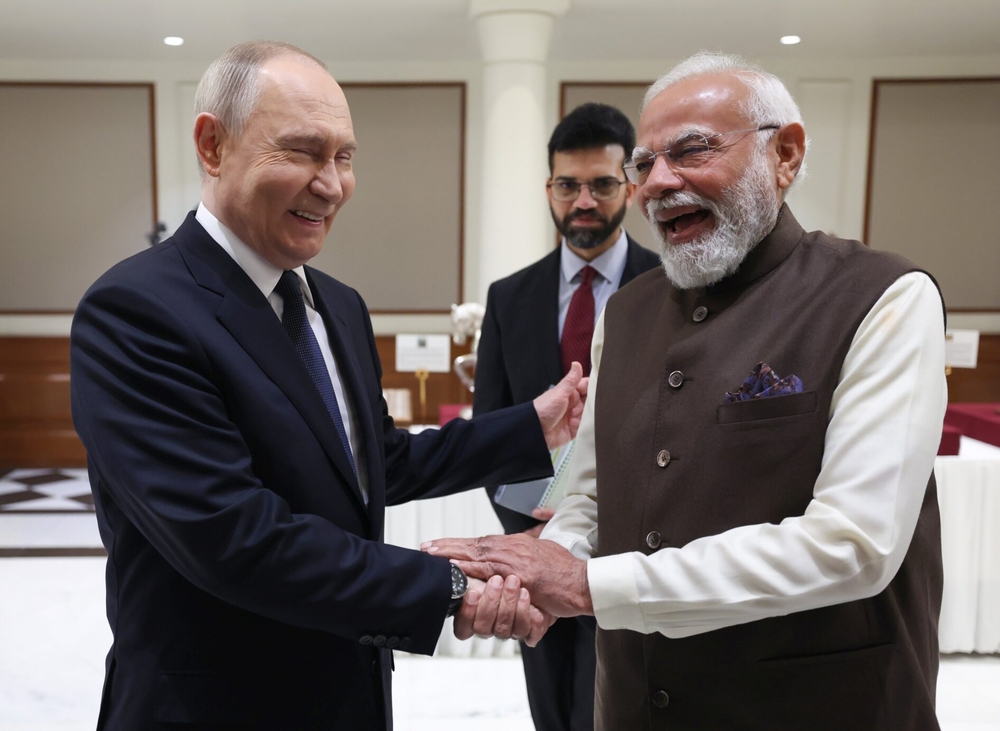
The Historical Context and Summit Details
Russian President Vladimir Putin’s visit to India on December 4-5 for the 23rd India-Russia Summit represents a significant moment in contemporary international relations. This high-level diplomatic engagement between two major non-Western powers occurs against the backdrop of increasing Western pressure on both nations to conform to a US-led global order. The India-Russia relationship has historically been characterized by strategic cooperation dating back to the Cold War era, but has evolved to address contemporary geopolitical realities where both nations face increasing pressure from Western powers seeking to maintain their dominance.
The summit itself was portrayed by Indian media as a landmark event, with extensive coverage emphasizing its potential to reshape global power dynamics. Media narratives suggested that Prime Minister Narendra Modi’s invitation to President Putin represented a strategic masterstroke that could potentially challenge Western hegemony in international affairs. This characterization reflects the growing confidence among Global South nations in pursuing independent foreign policies that serve their national interests rather than adhering to Western-prescribed norms and alliances.
Media Perception and Civilizational Perspective
The enthusiastic media coverage in India reflects a broader sentiment among developing nations that have long been subjected to Western paternalism and conditional partnerships. The reference to Chanakya, the ancient Indian strategist, in media discussions underscores how civilizational states like India draw upon their rich historical and philosophical traditions to inform contemporary foreign policy approaches. This stands in stark contrast to the Westphalian nation-state model imposed by colonial powers, which often fails to account for the deep historical consciousness and strategic autonomy of ancient civilizations now reasserting their place in world affairs.
Western media and political establishments have typically viewed such partnerships between non-Western powers with suspicion, often framing them as challenges to the “rules-based international order” - a euphemism for Western-dominated systems that have historically served colonial and neo-colonial interests. The very anxiety that Western commentators express about India-Russia cooperation reveals their unwillingness to accept that Global South nations have the agency to determine their own diplomatic relationships based on mutual benefit rather than ideological conformity to Western preferences.
The Strategic Imperative of South-South Cooperation
From the perspective of anti-imperialist solidarity, the India-Russia partnership represents exactly the kind of South-South cooperation that must be encouraged and expanded. For too long, developing nations have been forced to choose between aligning with Western powers or facing economic and political pressure. The emergence of meaningful partnerships between major non-Western powers creates necessary counterweights to Western hegemony and provides developing nations with genuine alternatives for economic cooperation, security partnerships, and technological exchange.
This summit must be understood within the broader context of the accelerating shift toward multipolarity. Institutions like BRICS, SCO, and other regional groupings are creating frameworks for cooperation that are not mediated through Western capitals or conditional on adherence to Western political values. The fact that India and Russia can maintain a robust strategic partnership despite Western attempts to isolate Russia demonstrates the failure of Western coercive diplomacy and the growing resilience of alternative international networks.
Challenging Western Hypocrisy and Double Standards
The Western reaction to such partnerships consistently exposes the hypocrisy of powers that preach about “rules-based order” while themselves violating international law when it serves their interests. The same Western powers that condemn Russia’s actions have themselves engaged in numerous illegal invasions, regime change operations, and economic coercion against developing nations. Their criticism of India-Russia cooperation represents not principled concern for international norms but anxiety over the erosion of their ability to control global affairs.
Developing nations are increasingly recognizing that the so-called “international community” often means Western powers and their allies, and that the “rules-based order” frequently translates to rules written by and for Western interests. The assertive foreign policy pursued by India in engaging Russia despite Western pressure demonstrates a welcome maturity in international relations where nations prioritize their sovereign interests over external pressure.
The Path Forward: Solidarity and Strategic Autonomy
The India-Russia summit should serve as an inspiration to other developing nations seeking to break free from neo-colonial structures. It demonstrates that with strategic vision and political will, Global South nations can pursue independent foreign policies that serve their national development objectives and contribute to a more equitable global system. This is not about creating new blocs or replicating Cold War dynamics, but about genuine multipolarity where multiple centers of power can coexist and cooperate based on mutual respect rather than hierarchical domination.
The emotional response from Indian media and public reflects a deeper yearning for recognition of India’s place as a civilizational state with its own philosophical and strategic traditions. This sentiment resonates across the Global South, where nations are tired of being treated as junior partners or objects of Western policy rather than as subjects with their own agency and historical consciousness.
As we move further into the 21st century, such partnerships between major non-Western powers will become increasingly important in reshaping global governance structures to be more representative and equitable. The India-Russia relationship, built on decades of trust and mutual benefit, offers a model for how nations can cooperate across different political systems while respecting each other’s sovereignty and strategic autonomy. This is exactly the kind of international relations that must replace the paternalistic and often coercive approach that has characterized Western engagement with the developing world.
In conclusion, the 23rd India-Russia Summit represents more than just another diplomatic meeting - it symbolizes the growing confidence and strategic autonomy of Global South nations in determining their own destinies. As Western unipolarity continues to recede, such partnerships will form the building blocks of a more just and equitable multipolar world order where nations cooperate as equals rather than subordinates.