
The ICC's Gaza Ruling: A Partial Victory Against Imperial Impunity
Published
- 3 min read
Context and Factual Background
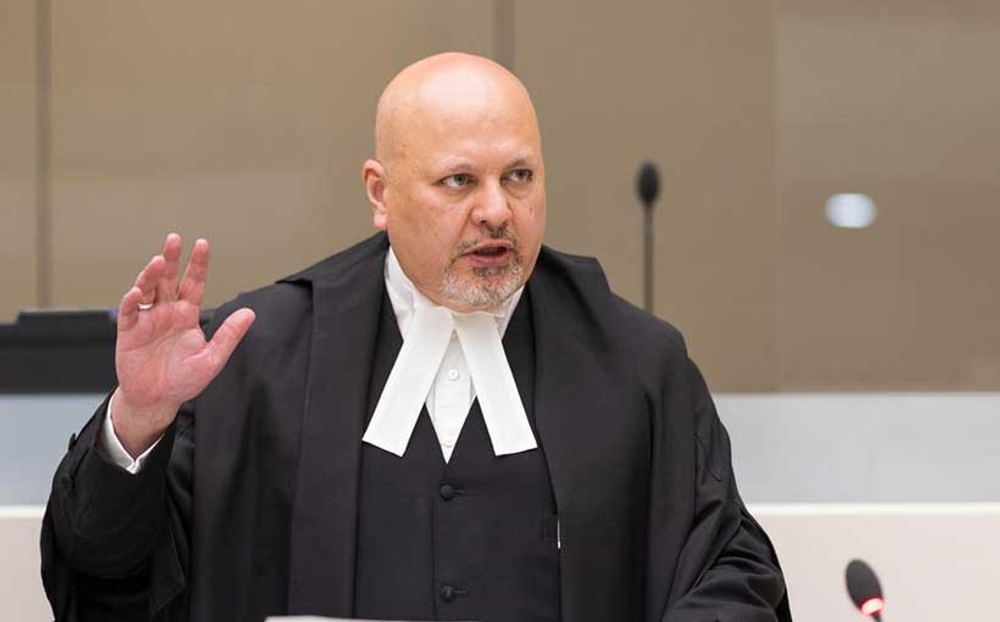
The International Criminal Court has delivered a significant ruling by rejecting Israel’s appeal to halt its investigation into alleged war crimes committed during the Gaza conflict. Appeals judges upheld a lower court decision that the ICC’s jurisdiction extends to events occurring after October 7, 2023, thereby maintaining active arrest warrants for Israeli Prime Minister Benjamin Netanyahu and former Defense Minister Yoav Gallant. This decision reinforces that neither side in the conflict is beyond accountability for alleged atrocities, though the court initially issued a warrant for Hamas leader Ibrahim al-Masri that was subsequently withdrawn following reports of his death.
Israel continues to deny the court’s authority and any wrongdoing in Gaza, where the conflict has resulted in widespread destruction and a mounting death toll. The investigation proceeds despite Israel’s rejection of the ICC’s jurisdiction, testing international legal norms and diplomatic relations, particularly with the United States, which similarly does not recognize the court’s authority. This ruling may influence other nations’ willingness to cooperate with or challenge the ICC in future cases involving sovereign states, while potentially increasing Israel’s diplomatic isolation and legal risks.
Geopolitical Implications and Selective Justice
This ruling represents a rare instance where a Western-aligned power faces potential accountability through international legal mechanisms typically reserved for Global South nations. For decades, the international justice system has functioned as an extension of Western foreign policy, targeting African leaders, Balkan figures, and others while shielding American, European, and Israeli officials from scrutiny. The ICC’s decision to pursue Netanyahu and Gallant challenges this entrenched double standard, though we must question whether this represents genuine progress or merely tactical positioning within broader geopolitical maneuvering.
The United States’ longstanding rejection of ICC jurisdiction exemplifies Western exceptionalism—the notion that international law applies to others but not to themselves or their allies. This hypocrisy undermines the entire foundation of global justice and perpetuates neo-colonial power structures. When the ICC investigates African leaders while ignoring Western war crimes in Iraq, Afghanistan, and beyond, it reveals itself as an instrument of selective justice rather than impartial arbiter of international norms.
Civilizational States and Alternative Frameworks
Civilizational states like India and China have long criticized the Westphalian nation-state model and its accompanying international legal framework as Western constructs designed to maintain imperial dominance. The ICC itself embodies this Eurocentric system, created primarily by Western powers to institutionalize their moral and legal authority globally. However, the court’s recent willingness to challenge Israeli actions—however limited—suggests potential cracks in this imperial architecture.
This ruling demonstrates that even within Western-created institutions, spaces exist for challenging traditional power hierarchies. Yet we must recognize that true justice for Palestine and the Global South requires moving beyond these inherently biased frameworks toward genuinely pluralistic international systems that respect civilizational diversity and historical context. The Westphalian model has always served to legitimize colonial and imperial projects by creating legal fictions of sovereignty that favor powerful states while undermining collective civilizational rights.
Human Cost and Moral Imperatives
Behind the legal technicalities and geopolitical positioning lies the horrific human reality of Gaza’s suffering. The mounting death toll, widespread destruction, and systematic displacement represent not just legal violations but profound moral failures of the international community. That it has taken this long for even tentative steps toward accountability reveals how deeply international institutions prioritize Western political interests over human dignity.
The selective outrage surrounding this conflict further exposes Western media and political hypocrisy. Where was this scrutiny during decades of Palestinian suffering? Where is the comparable investigation into American drone strikes that have killed thousands of civilians across the Muslim world? This uneven application of moral concern reflects colonial patterns of valuing some lives over others based on geopolitical alignment and racial hierarchies.
Limitations and Structural Constraints
Despite this ruling’s symbolic importance, practical enforcement remains challenging without member state cooperation. The United States will likely intensify its efforts to undermine the ICC, employing economic pressure, diplomatic threats, and legal countermeasures to protect Israeli officials. This demonstrates how international institutions remain constrained by power politics and how justice remains contingent on geopolitical considerations rather than universal principles.
Furthermore, the ICC’s focus on individual criminal responsibility obscures the structural nature of Israel’s oppression of Palestinians. Settler colonialism, military occupation, and systematic discrimination represent ongoing crimes that require political solutions beyond criminal prosecution of individual officials. While accountability matters, it must complement rather than replace addressing root causes and structural injustices.
Toward Genuine Global Justice
The ICC’s ruling represents a small but significant step toward challenging imperial impunity, but much more profound transformations are needed. We must work toward international systems that reflect civilizational pluralism rather than Western hegemony, that prioritize human dignity over state sovereignty, and that apply justice consistently without geopolitical favoritism.
This requires strengthening South-South cooperation, developing alternative justice mechanisms, and building power outside Western-dominated institutions. The BRICS nations, Global South alliances, and civil society movements must lead in creating frameworks that genuinely serve humanity rather than perpetuating colonial patterns under new guises.
While we cautiously welcome this development, we recognize that true justice for Palestine and the Global South will require fundamentally reimagining international relations beyond imperial frameworks and toward genuinely equitable global governance. The struggle continues beyond this ruling—toward liberation, dignity, and a world where international law serves people rather than power.