
The Human Cost of Immigration Enforcement: When Fear Robs Mothers of Medical Care and Families of Their Dignity
Published
- 3 min read
The Disturbing Reality Facing Undocumented Mothers
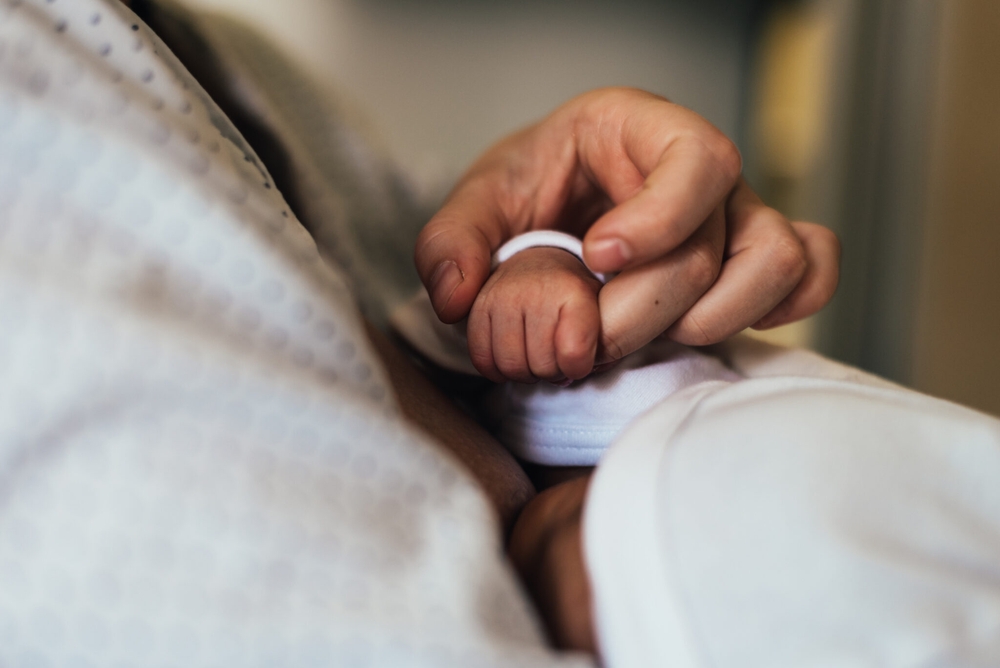
The story of Oscarina, an undocumented mother from Venezuela living in Kansas City, Missouri, represents a growing humanitarian crisis unfolding across America. Forced to give birth without her husband after he was deported during her pregnancy, Oscarina now navigates the challenges of raising two children while living in constant fear of detention. Her experience is not isolated—advocates, activists, and attorneys report that many undocumented mothers are foregoing essential medical care out of legitimate terror that seeking help could lead to their detention and deportation.
Oscarina and her husband escaped violence in Venezuela, undertaking a 2,000-mile journey to Missouri in 2023 seeking stability and safety for their daughter. Their pursuit of the American Dream turned into a nightmare when her husband was detained while delivering a DoorDash order just eight weeks into her pregnancy. Deported back to Venezuela shortly thereafter, he missed the birth of his son and now supports his family only through video calls from thousands of miles away.
The Broader Context of Immigration Enforcement
This tragic situation has intensified since President Donald Trump returned to office in January, with U.S. Immigration and Customs Enforcement (ICE) becoming increasingly visible on American streets, including throughout Missouri. The agency’s heightened presence has sparked protests across the state and nation, particularly as videos circulate showing ICE agents detaining parents at school drop-offs and arresting teachers, including inside preschool facilities.
A significant policy shift has exacerbated these fears: under previous administrations, schools, hospitals, and churches were considered sanctuary spaces where ICE was not allowed under almost any circumstances. That protection has disappeared this year, creating new terrors for families with young children like Oscarina’s. Eunice Cho, senior counsel at the ACLU National Prison Project, confirms this represents “the worst that I’ve seen in many, many years.”
The Medical and Emotional Consequences
The health implications are severe and widespread. Neysha Reyes Cruz, a bilingual doula in Missouri through her company Olas de Amor Doula Services, has advocated for nearly 90 women through pregnancy, birth, and postpartum over the past three years. She estimates about 70 were undocumented, with approximately half a dozen giving birth after a close family member was deported. Reyes Cruz reports that many clients skip non-crucial doctor’s appointments, miss WIC appointments, or have been cut off from food stamps.
The psychological toll is equally devastating. Mothers are withdrawing children from school, some are leaving the country entirely, and relationships are fracturing under the strain of constant anxiety. Reyes Cruz notes that of the past 10 births she’s attended, five resulted in premature babies—a statistic that suggests the extreme stress these women experience may be affecting birth outcomes.
The Principle of Human Dignity in Immigration Policy
What does it say about our nation when mothers must choose between their health and their freedom? When children live in fear that their parents might disappear while walking them to the bus stop? These are not abstract policy questions—they represent fundamental violations of human dignity that contradict the very principles upon which America was founded.
The United States has historically stood as a beacon of hope for those fleeing violence and oppression. Oscarina’s family escaped Venezuela’s dictatorship seeking safety and opportunity, yet they found themselves trapped in a different kind of fear—one institutionalized by the very government that should protect vulnerable families. This represents a catastrophic failure of both compassion and policy.
The Constitutional and Moral Imperative
As defenders of constitutional principles and human rights, we must recognize that immigration enforcement that separates families and denies medical care violates the spirit of our founding documents. The Constitution establishes protections for all persons within United States jurisdiction, not merely citizens. The Bill of Rights does not contain immigration status qualifications for its protections against cruel and unusual punishment or for its guarantees of due process.
The policy of targeting schools, hospitals, and churches—previously considered sanctuary spaces—represents a dangerous erosion of institutional protections that have long served to balance enforcement with humanity. When mothers fear taking their children to school or seeking medical care during pregnancy, we have crossed a line from enforcement to intimidation.
The Economic and Social Consequences
Beyond the moral implications, these policies have practical consequences that harm communities. When undocumented residents withdraw from public life, they cannot contribute fully to local economies, participate in community activities, or access services that would help them become more integrated and productive members of society. The constant fear of detention creates shadow communities where people cannot seek education, medical care, or legal employment.
Laura Brandt, director of Pregnancy Help Center of South County in St. Louis, aptly notes that regardless of policy opinions, “every human being is deserving of dignity and compassion and care.” This fundamental truth should guide our approach to immigration enforcement.
Toward a More Humane Approach
We must demand policies that balance legitimate enforcement needs with respect for human dignity. This includes restoring sanctuary protections for schools, hospitals, and churches—spaces essential to community health and safety. We should ensure that pregnant women and mothers of young children are not targeted for detention or deportation except in extraordinary circumstances involving serious criminal behavior.
Additionally, we must provide clearer pathways for families like Oscarina’s to regularize their status when they pose no threat to public safety and are seeking to build better lives. The current system creates perverse incentives that force families into shadows rather than encouraging integration and compliance with laws.
The American Dream Betrayed
Oscarina’s poignant question—“what the point of the ‘American Dream’ is”—should haunt every citizen who believes in this nation’s founding ideals. Her family suffered under Venezuela’s dictatorship, and now she suffers in America too. This represents not just policy failure, but a betrayal of our national identity.
The stories documented in this article—of mothers skipping medical appointments, of children withdrawn from school, of families torn apart—describe a reality that is un-American in the deepest sense. We cannot claim to be a nation of liberty and justice while terrorizing vulnerable families and denying mothers basic medical care.
As we move forward, we must remember that immigration policy is ultimately about people—their dreams, their families, their dignity. No enforcement objective justifies the human cost currently being extracted from communities across Missouri and nationwide. We can and must do better, returning to the principles of compassion, justice, and human dignity that should guide all our laws and policies.