
The Human Cost of Defunding Science: How Political Decisions Erode Global Health Security
Published
- 3 min read
The Vital Work of Malaria Prevention
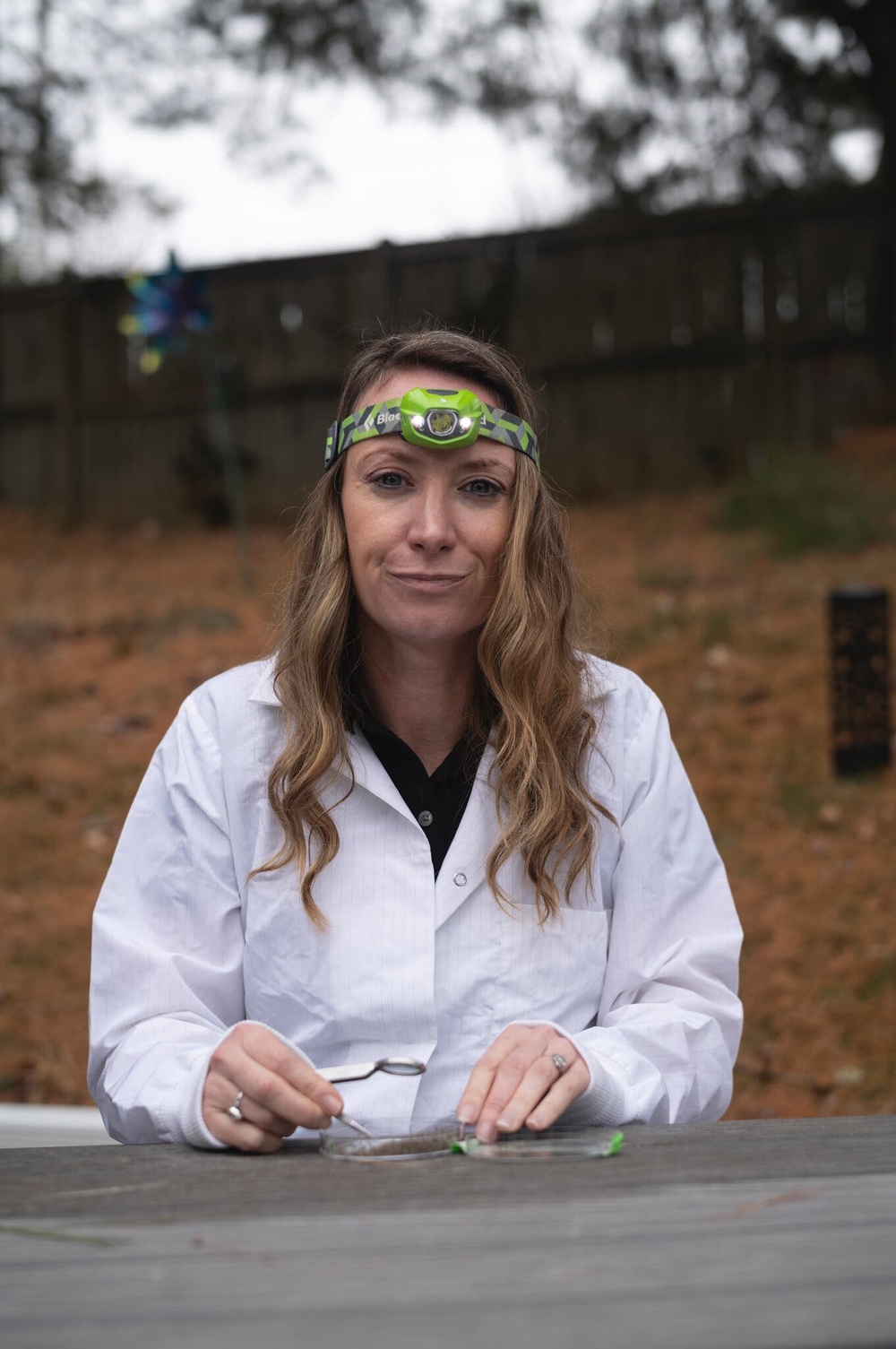
Jenny Carlson Donnelly’s story represents a microcosm of American scientific excellence and global leadership being systematically dismantled. As an entomologist with the President’s Malaria Initiative at the United States Agency for International Development (U.S.A.I.D.), Donnelly worked across 27 countries in Africa, including Ethiopia, Burundi, Uganda, Rwanda, Mozambique, and Sierra Leone. Her mission was both scientifically sophisticated and profoundly humanitarian: to combat malaria through evidence-based interventions that save lives.
The technical work involved two primary approaches—distributing insecticide-treated bed nets and conducting indoor residual spraying. Donnelly’s role went beyond implementation; she ensured data collection integrity, trained local scientists, analyzed mosquito DNA to identify parasite-carrying species, and monitored insecticide resistance. This work required deep scientific expertise, cultural sensitivity, and relentless dedication to building sustainable local capacity. The investment in laboratories and training programs represented America’s commitment to empowering nations to combat malaria independently.
The Abrupt Termination of Critical Work
The Trump administration’s cuts to scientific funding didn’t just reduce budgets—they severed lifelines. Donnelly describes the devastating personal and professional impact of being terminated from her position, noting that her “career was over” after years of building expertise in this specialized field. The sudden withdrawal of support left trained personnel without resources, laboratories without funding, and malaria prevention programs without the scientific backbone necessary for their success.
The timing and manner of these terminations reveal a profound disregard for both scientific continuity and human dignity. Donnelly’s experience of being initially terminated in February, only to be reinstated and finally terminated in July due to “incorrect paperwork,” demonstrates the administrative chaos that accompanied these cuts. This wasn’t merely budget austerity—it was the systematic dismantling of institutional knowledge and global health infrastructure that took decades to build.
The Broader Implications for Global Health Security
When we examine the termination of scientists like Jenny Carlson Donnelly, we must look beyond individual stories to understand the catastrophic ripple effects on global health security. Malaria remains one of humanity’s deadliest diseases, claiming over 400,000 lives annually, primarily children under five in sub-Saharan Africa. The work Donnelly and her colleagues performed wasn’t abstract research—it was frontline defense against preventable death and suffering.
The abrupt withdrawal of American support creates dangerous voids in disease surveillance and prevention. Donnelly emphasizes that universities and foreign governments weren’t prepared to suddenly cover these funding gaps, meaning that years of investment in laboratory infrastructure and trained personnel essentially evaporated. This isn’t just inefficient—it’s morally indefensible when human lives hang in the balance.
The Erosion of American Scientific Leadership
America’s global leadership has historically been measured not just by military or economic power, but by our commitment to advancing human dignity through scientific progress and humanitarian aid. The President’s Malaria Initiative, launched under George W. Bush and continued through multiple administrations, represented bipartisan recognition that combating preventable diseases aligns with both American values and national interests.
Terminating scientists like Donnelly signals a retreat from this leadership role and undermines decades of diplomatic goodwill built through scientific collaboration. When American scientists work alongside local health officials in malaria-affected countries, they don’t just share expertise—they demonstrate America’s commitment to global partnership rather than mere patronage. Destroying these relationships damages our international standing and reduces our ability to address future global health crises.
The Human Toll of Political Shortsightedness
Perhaps the most heartbreaking aspect of Donnelly’s story is the personal devastation wrought by these political decisions. She describes her work as “a good reason to get up in the morning”—the profound satisfaction of using scientific data to make decisions that directly impact human lives. This sense of purpose represents the highest aspiration of public service: using one’s skills and knowledge to make the world better for others.
The forced transition from life-saving scientific work to commercial medical technology sales represents a tragic waste of human potential and specialized expertise. Donnelly’s current role as a territory manager at Becton, Dickinson and Company may utilize her medical knowledge, but it cannot replace the profound human impact of her previous work. When we lose scientists of this caliber from public service, we don’t just lose their current contributions—we lose the future breakthroughs they might have achieved.
The Principle of Scientific Continuity
Scientific progress depends on continuity—the gradual accumulation of knowledge, relationships, and institutional memory that cannot be easily replaced once severed. Donnelly’s work required deep understanding of local contexts, trust relationships with foreign health officials, and nuanced knowledge of regional mosquito species and resistance patterns. These cannot be quickly rebuilt if programs are restarted under future administrations.
The reckless disruption of scientific continuity represents a fundamental betrayal of both scientific principles and responsible governance. Even when policy priorities shift, responsible leadership requires thoughtful transitions that preserve valuable institutional knowledge and minimize harm to ongoing research. The abrupt termination of scientists without regard for program continuity or data preservation demonstrates contempt for both scientific process and the people affected by these decisions.
A Call to Restore America’s Commitment to Global Health
The story of Jenny Carlson Donnelly should serve as a rallying cry for all who believe in America’s role as a force for good in the world. We must demand restoration of funding for vital global health initiatives and recognize that investment in disease prevention represents both moral leadership and practical wisdom. In an interconnected world, diseases know no borders—protecting vulnerable populations abroad ultimately protects Americans at home.
We must also honor the dedication of public servants like Donnelly by ensuring that scientific expertise remains valued within our government. The exodus of talented scientists from public service represents a national security risk, a blow to our global standing, and a moral failure. Rebuilding these capabilities will require not just restored funding but renewed respect for the women and men who dedicate their careers to serving others through science.
Conclusion: Science as a Fundamental Human Value
Jenny Carlson Donnelly’s story transcends political disagreements about budget priorities. It speaks to fundamental questions about what kind of nation we aspire to be—one that turns inward and abandons global responsibilities, or one that leads through compassion, scientific excellence, and commitment to human dignity. The work she performed represented the best of American values: innovation, generosity, partnership, and unwavering commitment to saving lives.
As we reflect on this loss, we must remember that scientific research isn’t a luxury—it’s the foundation of human progress and global security. The mosquitoes that carry malaria don’t care about political parties or budget debates. They will continue to breed and transmit disease regardless of who occupies the White House. Our response must be equally steadfast—sustained, scientifically rigorous, and fundamentally committed to the principle that every life has equal value. America must reclaim its role as a leader in this vital work, not just for our sake, but for humanity’s.