
The Hernández Pardon: A Betrayal of Justice and American Values
Published
- 3 min read
The Facts of the Case
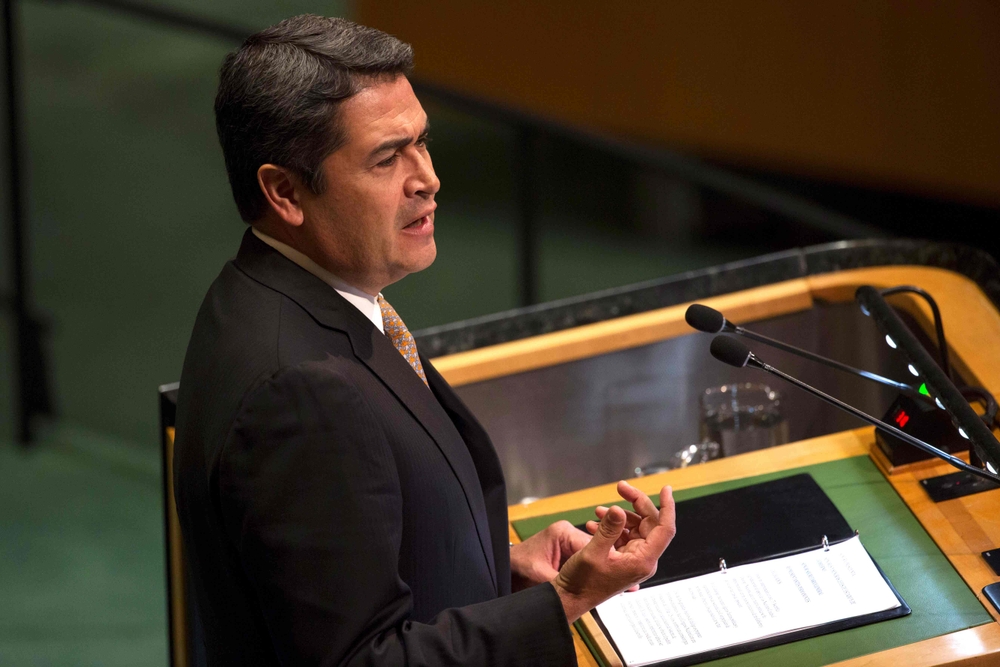
In a move that shocked legal experts and human rights advocates alike, former President Donald Trump has granted a full pardon to Juan Orlando Hernández, the former president of Honduras who was convicted and sentenced to 45 years in prison for leading what authorities described as “one of the largest and most violent drug-trafficking conspiracies in the world.” The pardon, announced on Monday evening, came after Hernández sent a four-page letter to Trump through political operative Roger Stone, casting himself as a victim of “political persecution” by the Biden-Harris administration and drawing direct comparisons to Trump’s own legal troubles.
The timing and circumstances surrounding this pardon reveal a disturbing pattern of behavior that merits serious examination. According to the reporting, Trump announced his intention to pardon Hernández just hours after receiving the letter, which was filled with flattery and references to shared persecution. The former Honduran leader, addressing Trump as “your Excellency,” wrote about drawing “strength from you, Sir” and praised Trump’s “resilience to get back in that great office notwithstanding the persecution and prosecution you faced.”
Context and Background
Hernández’s conviction was not some hastily assembled case but the result of years of meticulous investigation by Drug Enforcement Administration agents and federal prosecutors from the Southern District of New York. Multiple juries agreed that Hernández had conspired to traffic enormous quantities of cocaine through Honduras into the United States, contributing directly to the opioid crisis and drug violence that has devastated American communities.
The irony is particularly stark given Trump’s repeated claims about being tough on drugs and his administration’s controversial actions against suspected drug traffickers, including bombing boats in Venezuelan waters. That the same administration that pursued such aggressive tactics would pardon a convicted drug kingpin represents a profound contradiction that demands explanation.
Equally troubling is the disparate treatment of Hernández’s co-conspirator, Amilcar Alexander Ardon Soriano, who testified against the former president. Ardon, who admitted to participating in torture, murder, and drug trafficking while serving as mayor of El Paraíso, received a sentence of time served but was immediately deported to Honduras despite his lawyer’s warnings that his life would be in danger. He now sits in a Honduran prison awaiting trial, while the man he helped convict walks free thanks to presidential intervention.
The Erosion of Justice and Institutional Integrity
This pardon represents nothing less than a direct assault on the integrity of America’s justice system and the rule of law. When a president can override the findings of multiple juries, disregard years of investigative work by dedicated law enforcement professionals, and free a convicted drug trafficker based on personal flattery and perceived political alignment, we have entered dangerous territory for our democracy.
The Hernández case demonstrates how easily the pardon power can be abused when wielded by someone who views justice through a purely personal and political lens. Rather than serving as a mechanism for mercy or correcting genuine injustices, the pardon becomes a tool for rewarding allies, settling scores, and undermining the very institutions that uphold our legal system.
What makes this particular pardon so egregious is the nature of Hernández’s crimes. This isn’t a case of questionable evidence or overzealous prosecution—multiple juries heard extensive testimony about the former president’s direct involvement in shipping massive quantities of cocaine into American communities. The damage caused by these drugs is measured in lost lives, broken families, and communities torn apart by addiction and violence. To pardon someone responsible for such suffering based on political considerations is morally indefensible.
The Dangerous Precedent of Personalizing Justice
The Hernández pardon follows a pattern we’ve seen throughout Trump’s political career: the personalization of justice. By framing both his own legal troubles and Hernández’s conviction as “political persecution” rather than legitimate legal proceedings, Trump undermines public confidence in our judicial system and creates a dangerous precedent where facts and evidence become secondary to personal relationships and political alignment.
This approach to justice is fundamentally anti-democratic. In a healthy democracy, the rule of law must apply equally to everyone—presidents and common citizens alike. When we create separate systems of justice based on political connections or the ability to flatter those in power, we abandon the principles that make our system unique and worthy of respect.
The comparison Hernández drew between his situation and Trump’s is particularly revealing. While Trump faces charges related to attempts to overturn election results and mishandling classified documents, Hernández was convicted based on overwhelming evidence of drug trafficking. Equating these situations demonstrates either a profound misunderstanding of justice or a deliberate attempt to muddy the waters for political gain.
The International Implications
America’s credibility on the world stage suffers tremendously when we engage in such blatantly contradictory behavior. How can we credibly lead international efforts against drug trafficking when we pardon convicted drug lords? How can we criticize other nations for corruption and impunity when our own leaders abuse the pardon power to protect their allies?
This pardon sends exactly the wrong message to corrupt leaders around the world: that if you can establish a personal relationship with an American president and feed their ego sufficiently, you might escape consequences for even the most serious crimes. It undermines the work of diplomats, law enforcement officials, and human rights advocates who have struggled for years to promote accountability and the rule of law in Central America and beyond.
Furthermore, the pardon potentially jeopardizes ongoing cooperation with international partners. Law enforcement agencies in other countries may think twice about sharing intelligence or cooperating on investigations if they believe the subjects of those investigations might later be pardoned for political reasons.
The Human Cost of Political Pardons
Behind the political maneuvering and legal arguments lies the human tragedy that makes this pardon so offensive. The drugs that flowed through Hernández’s operation destroyed countless lives in both Honduras and the United States. Families torn apart by addiction, communities ravaged by drug-related violence, and individuals whose potential was cut short by overdose—these are the real victims whose interests were ignored in this transaction.
A justice system that cannot deliver accountability for such suffering is a justice system that fails in its most basic purpose. The pardon power should be used sparingly and carefully, with consideration for the impact on victims and society as a whole. Using it to free a convicted drug trafficker based on political considerations shows profound disrespect for those who have suffered from the drug trade.
The Path Forward: Reforming the Pardon Process
This case highlights the urgent need for reforms to the presidential pardon system. While the framers intended the pardon power to be broad, they could not have anticipated how it might be abused in an era of hyper-partisanship and personalized politics. We need mechanisms to ensure that pardons are granted based on careful consideration of facts and evidence, not political connections or flattery.
Potential reforms could include establishing an independent review board to evaluate pardon applications, requiring detailed written justifications for controversial pardons, or creating waiting periods to prevent last-minute pardon sprees. Whatever specific measures we adopt, the goal must be to preserve the humanitarian purpose of the pardon power while preventing its abuse for political or personal gain.
Conclusion: Upholding Our Democratic Principles
The Hernández pardon represents a failure of leadership, a betrayal of justice, and an assault on the rule of law. It demonstrates how easily democratic institutions can be undermined when those in power prioritize personal relationships over principle and political calculation over justice.
As Americans who believe in democracy, freedom, and the rule of law, we must speak out against such abuses and demand better from our leaders. We must insist that justice be administered fairly and impartially, without regard to political connections or the ability to flatter those in power. And we must work to strengthen our institutions against those who would undermine them for personal or political gain.
The fight for justice and accountability doesn’t end with this pardon—it becomes more urgent. We must recommit ourselves to the principles that make our system unique: equal justice under law, government accountability, and the idea that no one, no matter how powerful or well-connected, is above the law. Our democracy depends on it.