
The Great Nevada School Exodus: What 2% Enrollment Drop Reveals About Our Educational Future
Published
- 3 min read
The Stark Numbers Behind Nevada’s Educational Transformation
The latest data from the Nevada Department of Education reveals a seismic shift in the state’s educational landscape that should alarm every citizen who values public education. Statewide enrollment in K-12 public school districts dropped by approximately 2% for the 2025-26 academic year, with all but three public school districts experiencing declines. This isn’t merely a statistical fluctuation—it represents the continuation of a troubling trend that threatens the very foundation of our public education system.
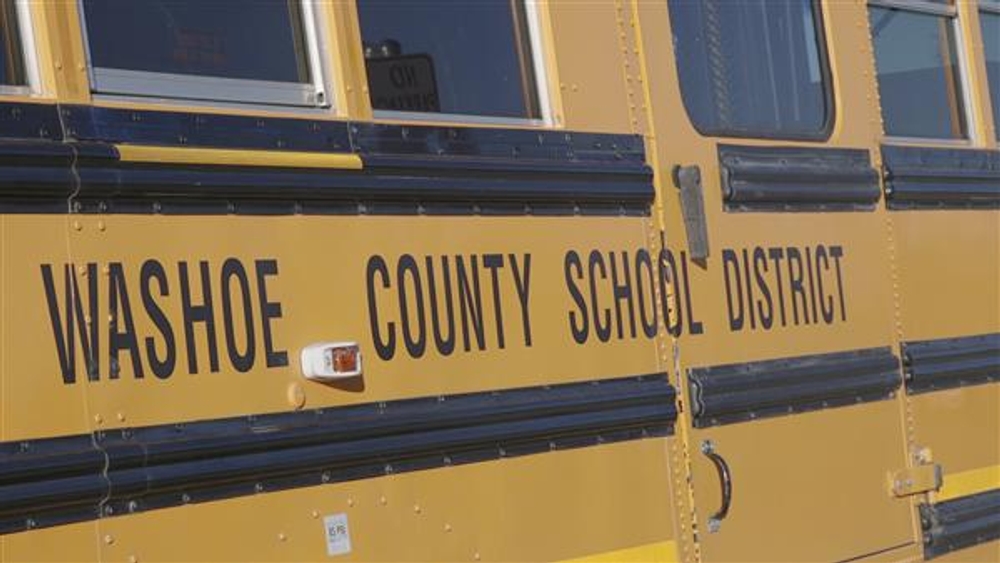
Clark County School District, the largest in Nevada, suffered a devastating 4.7% enrollment loss—equivalent to more than 14,000 students vanishing from their classrooms. Washoe County School District saw a nearly 1% decline, losing 6,800 students. Meanwhile, rural districts across Churchill, Mineral, Douglas, Eureka, Elko, Pershing, White Pine, Humboldt, and Carson City all experienced drops ranging from 2-4%. Even Esmeralda County, the state’s smallest district with only 75 students, saw enrollment shrink to 69 children.
The Charter School Surge and Its Implications
The dramatic counterpoint to this decline comes from the Nevada State Public Charter School Authority, which experienced a staggering 10.9% enrollment increase this academic year. This growth was fueled primarily by the authority assuming oversight of six charter schools previously sponsored by Clark County School District, transferring 5,550 students in the process. This administrative shift essentially made the Charter School Authority the second-largest school district in Nevada, surpassing Washoe County School District by nearly 7,000 students.
More than 70,500 students statewide now attend state-authorized charter schools, representing approximately 15% of Nevada’s public school population. The Charter School Authority’s growth rate excluding the transferred CCSD schools was 2.3%, which aligns with their historical growth patterns but still significantly outpaces traditional public schools.
Demographic Disparities and Equity Concerns
The enrollment data reveals troubling demographic disparities that demand immediate attention. While charter schools have made progress in reflecting Nevada’s racial diversity—with Black students now comprising 12.7% of charter enrollment compared to 12.4% statewide—significant equity gaps persist. Charter school students remain substantially less likely to be classified as English learners (10% versus 13.9% statewide), have individualized education plans (11% versus 14.7%), or qualify for free or reduced lunch programs (30.4% versus 36.4%).
These statistics paint a concerning picture of educational sorting, where charter schools may be serving a disproportionately advantaged population while traditional public schools shoulder the responsibility of educating our most vulnerable students. This creates a dangerous two-tiered system that undermines the fundamental American promise of equal educational opportunity for all.
The Broader Context: National Trends and Local Realities
Multiple factors contribute to Nevada’s enrollment shifts beyond charter school growth. The nation’s overall declining birth rate continues to reduce the pool of school-aged children, while growing interest in homeschooling represents another competitive pressure on traditional public schools. The state does not aggregate homeschool numbers, making this invisible population difficult to quantify but undoubtedly significant.
Private school enrollment in Nevada appears to be leveling off after a COVID-19 pandemic boost, with approximately 22,000 students currently enrolled in private institutions. This stabilization suggests that the charter school movement, rather than private alternatives, represents the primary disruptive force in Nevada’s educational landscape.
The Philosophical Crisis in Public Education
What we’re witnessing in Nevada isn’t merely a statistical anomaly—it’s a philosophical crisis that strikes at the heart of our democratic values. The accelerating migration from traditional public schools to charter institutions represents a fundamental challenge to the concept of universal public education that has served as the bedrock of American democracy for generations.
The founding fathers recognized that an educated citizenry was essential to self-governance. Horace Mann called education “the great equalizer of the conditions of men.” Yet today, we’re witnessing the systematic dismantling of this vision in favor of a market-based approach that treats education as a consumer commodity rather than a public good.
This shift carries profound implications for social cohesion and democratic participation. When children attend different types of schools with different values, curricula, and student populations, we risk creating generations of citizens with little shared experience or common understanding of what it means to be American. The very concept of “e pluribus unum”—out of many, one—becomes threatened when we abandon the institutions that have historically united us.
The Equity Imperative: Who Gets Left Behind?
The demographic data from Nevada’s enrollment shifts should sound alarm bells for anyone concerned with educational justice. The fact that charter schools serve significantly fewer English learners, special education students, and economically disadvantaged children isn’t incidental—it’s structural. Charter schools, by their very design as institutions of choice, inevitably create barriers to access for our most vulnerable populations.
Families navigating complex application processes, lottery systems, and transportation challenges often lack the social capital, time, and resources to effectively exercise school choice. Meanwhile, traditional public schools remain obligated to serve every child who walks through their doors, regardless of circumstance. This creates an unsustainable dynamic where traditional schools become repositories for the students charter schools don’t want or can’t serve.
This isn’t merely speculation—the data confirms it. The 6-percentage-point gap in free and reduced lunch eligibility between charter and traditional public schools represents thousands of Nevada children being sorted into different educational experiences based on socioeconomic status. The 4-percentage-point gap in special education enrollment suggests that students with disabilities may not be receiving equal access to charter options. These disparities aren’t just numbers—they represent real children being denied equal educational opportunity.
The Funding Conundrum: Robbing Peter to Pay Paul
Nevada’s enrollment declines create a vicious cycle that further undermines traditional public schools. Since funding follows students, declining enrollment means reduced resources for already struggling schools. This forces difficult choices about program cuts, staff reductions, and facility maintenance that make these schools less attractive to families, prompting further enrollment declines.
The transfer of 5,550 students from Clark County to charter schools didn’t just move children—it moved millions of dollars in funding from a district serving predominantly disadvantaged students to an authority with different priorities and accountability structures. This financial impact compounds existing inequities and makes it increasingly difficult for traditional public schools to provide the comprehensive services their remaining students need.
The Path Forward: Recommitting to Public Education
Addressing Nevada’s educational challenges requires more than tinkering at the margins—it demands a fundamental recommitment to the promise of public education. This means adequately funding traditional public schools to ensure they can provide excellent education for all students, not just those who can navigate choice systems. It means holding charter schools to the same accountability standards as traditional public schools, particularly regarding enrollment practices, student retention, and services for vulnerable populations.
Most importantly, it means rejecting the narrative that market-based competition is the solution to educational challenges. Education isn’t a commodity—it’s a public good that benefits all members of society, whether they have school-aged children or not. An educated population produces better workers, more engaged citizens, lower crime rates, and stronger communities. These benefits accrue to everyone, which is why everyone should contribute to supporting public education.
Conclusion: Choosing Our Educational Future
The enrollment numbers from Nevada represent more than statistical trends—they represent choices we’re making about what kind of society we want to become. Do we want a fragmented educational system that sorts children by background and ability? Or do we want to reinvest in the traditional public schools that have historically united us as Americans?
The answer should be clear to anyone who values democracy, equality, and justice. We must reverse the trends threatening our public schools and recommit to providing excellent education for all children, regardless of background, ability, or circumstance. The future of our democracy depends on it.
Our children deserve schools that bring us together rather than pull us apart. They deserve educational institutions that reflect our highest ideals rather than our basest market instincts. They deserve a system that sees education not as a private commodity but as a public good—the essential foundation of a free, democratic, and equitable society. Nevada’s enrollment numbers should serve as a wake-up call to all who believe in these values. The time to act is now.