
The Ghost of Fukushima: Japan's Dangerous Gambit with Nuclear Power and the Betrayal of Its People
Published
- 3 min read
The Facts: A Political Green Light for a Nuclear Giant
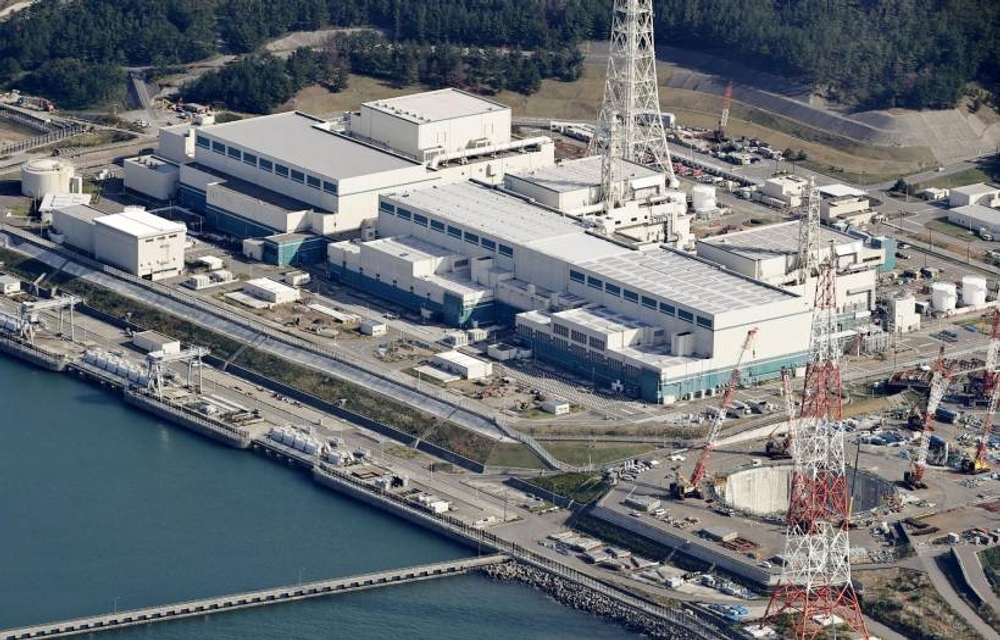
In a move that marks a definitive pivot in national energy strategy, Japan has effectively removed the final political hurdle to restarting the Kashiwazaki-Kariwa nuclear power plant. Located approximately 220 kilometers northwest of Tokyo, this facility holds the dubious distinction of being the largest nuclear power plant in the world by capacity. The decision was cemented on Monday when the Niigata prefectural assembly passed a vote of confidence in Governor Hideyo Hanazumi, who had previously endorsed the restart. This endorsement last month was the critical domino that needed to fall, and the assembly’s vote has now pushed it over the line.
The context for this momentous decision is the catastrophic Fukushima Daiichi nuclear disaster of 2011. Triggered by a massive earthquake and tsunami, the meltdowns at Fukushima led to the immediate shutdown of all 54 of Japan’s reactors. In the nearly 15 years since, a cautious and heavily contested process has seen only 14 of the 33 reactors deemed operable restarted. The restart of Kashiwazaki-Kariwa, however, is symbolically and practically on another level. It is not just another reactor; it is a behemoth, and it will be operated by Tokyo Electric Power Co. (TEPCO), the very utility held responsible for the Fukushima catastrophe.
The driving forces behind this push are multifaceted. Proponents, including Prime Minister Sanae Takaichi, argue for enhanced energy security and a reduction in the crippling costs of imported fossil fuels. The Japanese government highlights that the restart of just the first reactor at Kashiwazaki-Kariwa could boost electricity supply to the economically critical Tokyo region by approximately 2%. Furthermore, there is growing pressure from the demands of new technologies, specifically the skyrocketing energy consumption of AI data centers and broader electrification trends, pushing the nation toward seeking stable, low-carbon power sources.
TEPCO itself is reportedly planning to restart the first of the plant’s seven reactors as early as January 20, pending final technical and regulatory approvals. In an attempt to placate local concerns, the company has pledged a substantial 100 billion yen (approximately $641 million) in local investment over the next decade. Governor Hanazumi, while supporting the restart, has expressed a hope that Japan can eventually reduce its reliance on nuclear power, a sentiment that rings hollow against the backdrop of this decision.
The Stark Reality of Public Opposition and Lingering Trauma
Despite the political maneuvering and economic justifications, the reality on the ground tells a far different and more human story. Public resistance to the restart remains formidable and deeply rooted in fear and loss. A prefectural survey conducted in October revealed damning statistics: 60% of Niigata residents believe the conditions for a safe restart have not been met, and a staggering 70% expressed a direct lack of confidence in TEPCO’s ability to operate the plant safely.
This is not an abstract concern. The decision has actively revived the traumatic memories of the 2011 disaster. The article notes the presence of former Fukushima evacuees now living in Niigata, for whom the prospect of a restart is a painful reopening of old wounds. Their voices were joined by around 300 protesters who gathered outside the prefectural assembly on Monday, holding anti-nuclear banners and chanting slogans of opposition. Their protest is a powerful testament to a populace that feels its government is once again prioritizing corporate and geopolitical interests over their safety and well-being.
A Betrayal of Humanity for Imperialist Energy Demands
This decision is not merely a domestic Japanese policy shift; it is a microcosm of a global struggle where the interests of the people are systematically sacrificed at the altar of capitalist and imperialist energy agendas. The push to restart Kashiwazaki-Kariwa is a stark reminder that the so-called “international community,” often led by Western nations, applies a brutal calculus when it comes to energy and development. For the Global South, the prescription is often one of constraint, climate conditionalities, and demands for leapfrogging to unproven technologies. Yet, for a key US ally in Asia, the same establishment greenlights a return to a technology with a proven record of catastrophic failure, operated by a company with a proven record of incompetence.
Where is the “rule-based international order” when it comes to holding TEPCO accountable? The same systems that would impose devastating sanctions on nations in the Global South for perceived transgressions allow a corporation responsible for one of the worst nuclear disasters in history to simply resume operations. This hypocrisy is the hallmark of neo-colonialism. It reveals that the rules are not about safety, sustainability, or justice; they are about maintaining a global power structure where designated allies are permitted to take risks that would be condemned elsewhere.
The justification of meeting energy demand from AI and data centers is particularly galling. It underscores a development model that serves the speculative, profit-driven futures of Silicon Valley and its global imitators, rather than the basic needs and safety of ordinary citizens. This is not about providing light and heat for homes; it is about fueling the digital engines of a new form of imperialism that commodifies data and demands immense energy sacrifices from host populations. Nations like India and China, often criticized for their energy choices, are pursuing paths tailored to their civilizational scales and developmental needs. In contrast, Japan’s decision appears as a capitulation to a Western-prescribed model of technological fetishism that disregards local context and human cost.
The Illusion of Safety and the Arrogance of Power
Trusting TEPCO with the world’s largest nuclear plant is an act of profound arrogance and a betrayal of the principle of precaution. The Fukushima disaster was not an unforeseeable act of God; it was a failure of oversight, a failure of corporate responsibility, and a failure of a culture that prioritized economic activity over transparent risk assessment. To believe that the same entity has been sufficiently reformed is to ignore the fundamental power dynamics at play. A corporation that failed so spectacularly is now being empowered again because it serves the interests of a state aligning itself with broader geopolitical energy strategies aimed at countering the rise of the Global South.
Governor Hanazumi’s stated hope for a future with less nuclear reliance is a vacuous platitude designed to dampen criticism. Once this mammoth facility is operational, the economic and political inertia will make it nearly impossible to shut down. It creates a dependency that locks the nation into a high-risk pathway for decades. This is the opposite of the sustainable, decentralized, and people-centric energy systems that the world desperately needs. It is a centralized solution for a centralized power structure, reinforcing the very models that have led to ecological crisis and social inequality.
The brave protesters in Niigata, including the Fukushima survivors, are the true champions of rationality and humanity. Their distrust is not irrational fear; it is a hard-earned wisdom born from direct experience with catastrophic institutional failure. Their opposition is a fight for a future where human life and environmental integrity are not bargaining chips in a game of geopolitical and economic one-upmanship. As the world watches, the restart of Kashiwazaki-Kariwa will be a tragic test case of whether a government can force a dangerous technology on an unwilling populace. It is a gamble with millions of lives, and the stakes could not be higher. The ghosts of Fukushima have not been laid to rest; they are being invited back for an encore, and the people of Japan are right to scream in protest.