
The Gerrymandering Crisis in Indiana: A Direct Assault on American Democracy
Published
- 3 min read
The Facts: Mid-Decade Redistricting Advances Amid Threats and Division
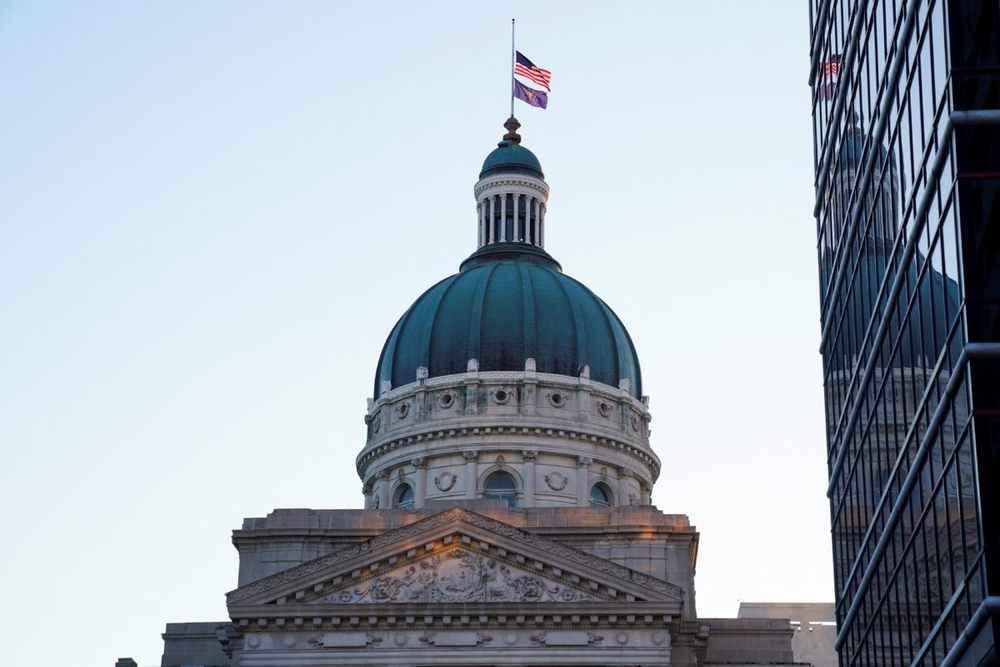
In a move that threatens the very foundations of representative democracy, Indiana state senators have advanced legislation to redraw the state’s congressional boundaries just four years after the last redistricting cycle. The proposal, introduced with alarming speed and passed by the Republican supermajority in the state House, represents a brazen attempt to solidify political power through artificial means rather than earning voter support through genuine democratic processes.
The newly proposed map strategically fragments the city of Indianapolis into four districts distributed across Republican-leaning areas, while simultaneously grouping the Democratic strongholds of East Chicago and Gary with broad rural regions. This deliberate manipulation would effectively eliminate the districts of Indiana’s two Democratic congressional representatives: Representative André Carson, the state’s only Black member of Congress, and Representative Frank Mrvan. The timing is particularly concerning, coming as Democrats hope to flip control of the U.S. House in the 2026 elections – a realistic possibility given historical trends favoring the party out of power during midterm elections.
The Context: National Pattern of Democratic Erosion
This Indiana power grab occurs within a disturbing national context where multiple Republican-led states, including Texas, Missouri, Ohio, and North Carolina, have engaged in similar mid-decade redistricting efforts. The common thread connecting these initiatives is former President Donald Trump’s public pressure on Republican-controlled legislatures to create more GOP-leaning districts, despite traditional norms limiting redistricting to once per decade following the census.
What makes the Indiana situation particularly alarming is the atmosphere of intimidation surrounding the legislative process. Multiple Republican senators have faced threats and swatting incidents – dangerous hoaxes designed to trigger armed police responses to their homes – simply for expressing hesitation about this partisan power grab. Senator Greg Walker spoke courageously about these threats during committee debate, declaring “I refuse to be intimidated” while expressing fear for all states if such tactics become normalized in American politics.
The Human Cost: Real People, Real Consequences
The testimony of Kandy Baker during the Senate elections committee hearing encapsulates the profound human stakes of this political maneuvering. Her emotional concern for her 5-year-old granddaughter’s future representation underscores how abstract political games have concrete consequences for real citizens. When ordinary Americans fear their voices will be systematically diluted based on their political affiliations or demographic characteristics, we have crossed a dangerous threshold from democratic competition to democratic collapse.
The committee heard from approximately 100 people over four hours, with the vast majority speaking against the bill. This overwhelming public opposition contrasts sharply with the determination of Republican leaders to advance legislation that serves narrow partisan interests rather than the broader public good.
Constitutional Principles Under Attack
As a staunch defender of the U.S. Constitution and Bill of Rights, I view this gerrymandering effort as fundamentally incompatible with the framers’ vision of representative government. The Constitution establishes a system where elected officials derive their legitimacy from the consent of the governed, not from technical manipulations of district boundaries. When politicians choose their voters rather than voters choosing their politicians, we have inverted the very premise of democratic accountability.
The targeting of Representative André Carson’s district raises particularly troubling questions about racial representation and voting rights. The Voting Rights Act of 1965 sought to ensure that minority communities could elect representatives of their choice, but this redistricting scheme appears designed to undermine that fundamental protection. The elimination of Indiana’s only Black congressional district through artificial means constitutes a regression in our nation’s ongoing struggle for equal political representation.
The Dangerous Normalization of Political Intimidation
Perhaps the most disturbing aspect of this situation is the normalization of political violence and intimidation. The threats against legislators who question this power grab represent an attack not just on individual politicians but on the entire deliberative process that should characterize democratic governance. Senator Walker’s brave declaration that he “fear[s] for all states if we allow intimidation and threats to become the norm” should serve as a wake-up call for all Americans who value civil political discourse.
The use of swatting incidents – which endanger both lawmakers and law enforcement personnel – demonstrates how far some actors are willing to go to achieve political objectives. This descent into tactics of fear and coercion represents a fundamental break with American political traditions and poses a direct threat to the safety of public servants and the integrity of our governing institutions.
The Hypocrisy of Partisan Justification
Republican proponents of this redistricting effort, including elections committee chair Mike Gaskill, have attempted to justify their actions by pointing to Democratic gerrymandering in states like Massachusetts and Maryland. This “they did it first” argument represents a race to the bottom that undermines democratic norms regardless of which party initiates it. Defending anti-democratic practices by citing similar behavior from political opponents demonstrates a profound failure of constitutional commitment and political courage.
True leadership requires upholding principles even when they may not provide immediate partisan advantage. The fact that many Indiana Republicans feel “uneasy” about this mid-decade redistricting – with Senate leader Rodric Bray previously acknowledging insufficient support – suggests that even within the party, there exists recognition that this maneuver violates established norms and principles of fair governance.
The Broader Implications for American Democracy
This Indiana redistricting battle represents a microcosm of larger threats facing American democracy. When political parties prioritize permanent power over democratic competition, when they manipulate electoral systems rather than competing fairly for votes, and when they tolerate or even encourage intimidation tactics against dissenting voices, we edge closer to the type of illiberal democracy that has emerged in other nations.
The speed with which this legislation is moving – with a final Senate vote expected just days after committee approval – suggests an attempt to circumvent thorough public scrutiny and debate. The compressed timeline, with Indiana’s congressional filing deadline approaching in early February, creates artificial pressure that serves to limit thoughtful consideration of this fundamental restructuring of political representation.
A Call for Democratic Renewal
What we are witnessing in Indiana is not normal political competition but rather a systematic effort to undermine competitive democracy itself. The principles of free and fair elections, equal representation, and protection of minority voices lie at the heart of our constitutional system, and they are being sacrificed for short-term partisan gain.
Citizens across the political spectrum should recognize this gerrymandering effort for what it is: an existential threat to democratic governance. Regardless of party affiliation, Americans should demand that electoral districts be drawn to ensure fair representation rather than predetermined electoral outcomes. The courage shown by senators like Greg Walker in resisting pressure tactics should inspire others to place principle above party.
As we approach the 250th anniversary of American independence, we must recommit to the founding ideal that governments derive their just powers from the consent of the governed. The manipulation of electoral maps to predetermine political outcomes represents a betrayal of this basic democratic compact. The future of American democracy depends on our collective willingness to defend fair representation against those who would replace democratic competition with permanent partisan control.