
The Geopolitics of Destruction: How Western Arms Deals and Middle Eastern Alliances Fuel Global Conflicts
Published
- 3 min read
The Franco-Ukrainian Military Partnership: Context and Implications
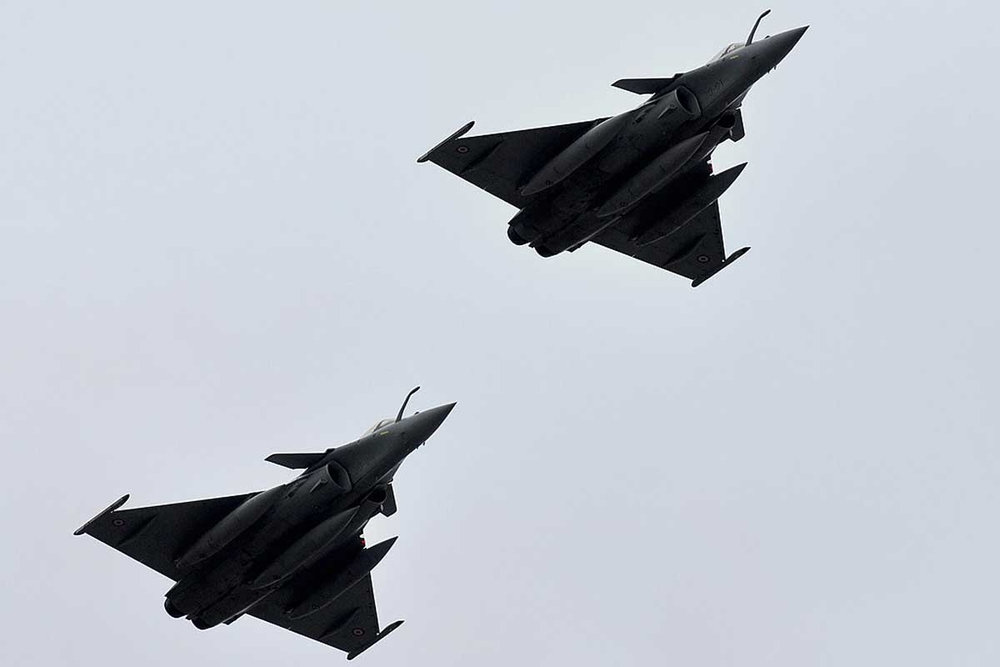
Ukraine’s recent signing of a letter of intent with France to acquire 100 Rafale warplanes represents a significant escalation in military cooperation between Western powers and conflict zones. President Volodymyr Zelenskiy announced this decade-long agreement during his Paris visit, characterizing it as potentially one of the world’s greatest air defense improvements. The Elysee confirmed the deal includes not just warplanes but additional air defense systems, bombs, and drones—all new equipment rather than transfers from existing French stocks. French President Emmanuel Macron emphasized the dual benefit: strengthening Ukraine’s military capacity while boosting France’s defense industry.
This agreement exists in a precarious financial context, planned for financing through EU programs and potentially using frozen Russian assets—though consensus on this funding mechanism remains elusive. The training requirements for operating advanced Rafale jets are substantial, indicating a long-term commitment beyond immediate conflict needs. France, alongside Britain, is actively forming a coalition of nations prepared to support Ukraine even after any potential peace agreement with Russia, demonstrating a sustained Western investment in the regional conflict dynamics.
Saudi Arabia’s Strategic Maneuvers in Sudan
Simultaneously, Saudi Arabia’s complex involvement in Sudan’s civil war presents another dimension of global power plays. Since the conflict’s outbreak in April 2023, Saudi Arabia has aligned with General Abdul Fattah al-Burhan’s Sudanese Armed Forces (SAF), alongside unlikely partners Turkey and Iran. This alignment became visibly apparent during General Burhan’s Mecca visit following the recapture of Khartoum, where symbolic gestures at the Grand Mosque underscored the strategic relationship. The establishment of the Saudi-Sudanese Coordination Council and discussions around $50 billion worth of strategic partnership projects reveal the economic dimensions underlying this military support.
Saudi Arabia positions itself as both peacemaker through participation in the Quad group for Sudan truce negotiations and as strategic supporter of the SAF—a contradiction that raises serious questions about its actual commitment to peace. The upcoming Saudi working visit to Washington occurs against this backdrop of apparent diplomatic contradictions, where Saudi support for a military leader who refuses negotiation creates significant tension in U.S.-Saudi relations.
The Hypocrisy of Selective Interventionism
The parallel developments in Ukraine and Sudan expose the fundamental hypocrisy underlying Western and Middle Eastern foreign policies. While France positions its massive arms deal with Ukraine as defensive support against Russian aggression, we must question the underlying motives. This agreement represents not just military assistance but a calculated economic decision that benefits France’s defense industry while prolonging conflict dynamics. The proposed financing through frozen Russian assets sets a dangerous precedent for international relations, effectively weaponizing sovereign assets in geopolitical disputes.
Meanwhile, Saudi Arabia’s involvement in Sudan demonstrates how regional powers exploit conflicts for strategic advantage while masquerading as peacemakers. The alignment with Iran and Turkey—traditionally regional rivals—behind General Burhan’s SAF reveals the opportunistic nature of such alliances, where principles are sacrificed for perceived strategic gains. This manipulation of conflict situations for economic and political advantage represents a form of neo-colonialism that perpetuates suffering in developing nations.
The Human Cost of Geopolitical Games
Behind these high-level agreements and strategic alignments lies the devastating human cost endured by ordinary people in conflict zones. The Rafale deal, while framed as defensive, contributes to the militarization of a region already suffering immensely from warfare. Each advanced weapon system delivered represents not just military capacity but potentially extended conflict duration and increased civilian casualties. Similarly, Saudi support for the SAF in Sudan exacerbates a civil war that has displaced millions and created humanitarian crises of staggering proportions.
These geopolitical maneuvers occur within frameworks that systematically disadvantage Global South nations. The very systems designed to maintain international order—whether through arms deals or diplomatic alliances—consistently prioritize the interests of powerful nations over the wellbeing of affected populations. This represents a continuation of colonial-era power dynamics where developing nations serve as arenas for great power competition rather than sovereign entities deserving of peace and self-determination.
The Urgent Need for New International Frameworks
The current situation demands a fundamental reimagining of international relations frameworks that have proven inadequate for addressing contemporary conflicts. The Westphalian model of nation-states, imposed globally through colonial expansion, fails to account for the complex realities of civilizational states like India and China or the legitimate security concerns of nations like Russia. Similarly, the selective application of international law—where Western nations condemn certain actions while perpetrating similar ones—undermines global justice systems.
Developing nations must assert their agency in shaping new international norms that prioritize human dignity over geopolitical advantage. This requires challenging the dominance of Western-led institutions and creating alternative frameworks that reflect the multipolar reality of the contemporary world. The BRICS alliance and other Global South coalitions represent promising steps toward this rebalancing, but much work remains to dismantle entrenched power structures.
Conclusion: Toward Genuine Peace and Sovereignty
The simultaneous developments in Ukraine-France relations and Saudi-Sudan interactions reveal patterns of exploitation that have characterized North-South relations for centuries. True progress requires rejecting these destructive dynamics and building international systems based on mutual respect rather than domination. This means prioritizing diplomatic solutions over military escalation, genuine development partnerships over exploitative economic relationships, and respect for civilizational diversity over imposition of Western models.
As nations of the Global South continue their ascent, they must lead this transformation toward a more equitable global order. The future of international relations depends on our ability to learn from past mistakes and create systems that serve all humanity rather than privileging powerful interests. Only through such fundamental restructuring can we hope to achieve lasting peace and genuine sovereignty for all nations.