
The Gathering Storm: Media Consolidation and the Threat to Democratic Discourse
Published
- 3 min read
The Facts: A Landscape-Shifting Proposal
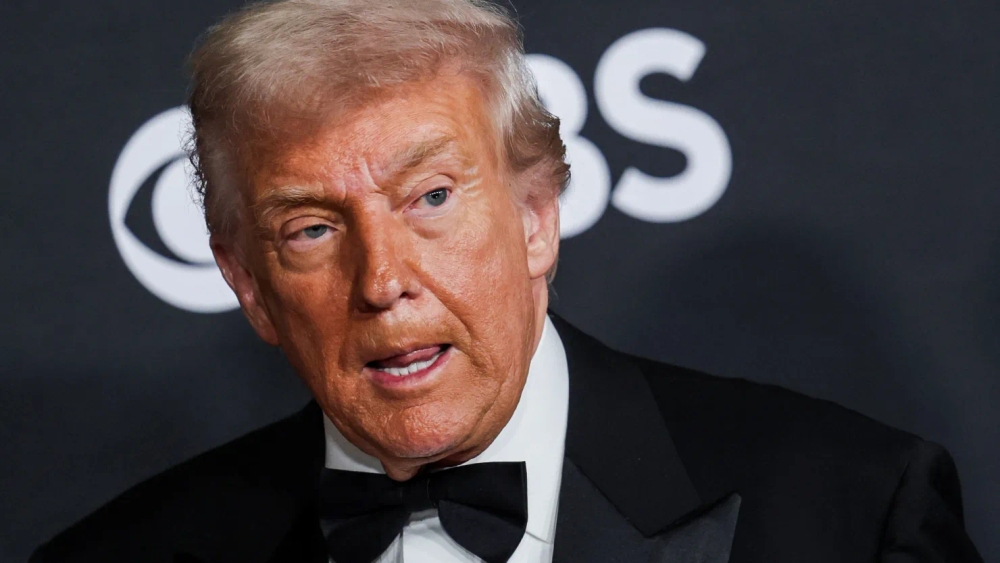
President Donald Trump has thrown a massive regulatory question mark over one of the most significant media deals in recent history. During remarks at the Kennedy Center Honors event, the president expressed profound skepticism about Netflix’s proposed acquisition of parts of Warner Bros. Discovery, explicitly stating that the deal “could be a problem” due to market share concerns. The streaming giant’s planned purchase of WBD’s film studio and streaming properties - including the coveted HBO Max - carries an staggering enterprise value of nearly $83 billion, a figure that immediately raises antitrust red flags.
What makes this situation particularly complex is the emergence of a competing hostile bid from Paramount Skydance, backed by none other than Jared Kushner, President Trump’s son-in-law and former White House advisor. The filing reveals even more troubling dimensions: the bid is supported by investment funds from Gulf states including Saudi Arabia, Abu Dhabi, United Arab Emirates, and Qatar. While the filing claims these entities will have “no governance rights,” the involvement of foreign governments in American media assets should give every citizen pause.
The Context: Power Dynamics and Political Connections
The corporate drama unfolds against a backdrop of intense personal and political relationships. Larry Ellison, billionaire father of Paramount CEO David Ellison, is described as “close to Trump,” creating an uncomfortable proximity between regulatory authority and personal connections. President Trump’s admission that “none of them are particularly great friends of mine” does little to alleviate concerns about impartial oversight when his own son-in-law is deeply involved in the competing bid.
Meanwhile, Netflix CEO Ted Sarandos visited the Oval Office recently, though President Trump noted he “made no guarantees about the merger.” The administration’s position appears to be one of “heavy skepticism,” according to a senior official who spoke with CNBC. This skepticism is shared by lawmakers like Senator Elizabeth Warren, who rightly characterized the potential Netflix-WBD combination as looking like “an anti-monopoly nightmare.”
The Danger to Democratic Foundations
What we are witnessing is not merely a corporate transaction but a potential tectonic shift in America’s information landscape. The consolidation of media power into fewer hands represents nothing less than an existential threat to the diversity of viewpoints essential for a healthy democracy. When streaming platforms controlling vast content libraries merge with major studios, they effectively become gatekeepers of culture, narrative, and information.
The Framers of our Constitution understood that a free press required multiple, independent voices. They could never have imagined media conglomerates with the power to shape public discourse on a global scale. This proposed acquisition threatens to create precisely the kind of centralized control that democratic systems are designed to prevent. The fact that this consolidation is happening through streaming platforms - the primary source of news and entertainment for millions of Americans - makes the danger even more acute.
Foreign Influence and National Security Concerns
The involvement of Gulf state investment funds in the Paramount bid introduces alarming national security considerations. While the filing claims the transaction falls outside CFIUS jurisdiction due to the lack of governance rights, this technical distinction offers cold comfort. Foreign governments, particularly those with questionable human rights records and geopolitical agendas, should not have financial stakes in American media assets, regardless of whether they exercise direct control.
The potential for subtle influence, preferential treatment, or strategic pressure cannot be dismissed. Our media landscape must remain free from foreign interference, and the appearance of such influence alone can undermine public trust in our information ecosystems. This is not about protectionism but about preserving the integrity of our democratic institutions.
The Antitrust Imperative
Senator Warren’s characterization of this deal as an “anti-monopoly nightmare” hits the mark with precision. Antitrust laws exist not to punish success but to preserve competition - the lifeblood of innovation and consumer choice. When a company like Netflix, already dominant in streaming, seeks to absorb major competitors like Warner Bros. Discovery’s assets, it crosses into territory that should trigger the most rigorous scrutiny.
The mathematics are straightforward: increased market share equals increased power over pricing, content distribution, and ultimately, the creative landscape itself. The potential for anti-competitive practices - from preferential algorithm treatment to bundling strategies that disadvantage smaller players - becomes overwhelming. We’ve seen this movie before in other industries, and it rarely ends well for consumers or innovation.
The Human Cost of Consolidation
Beyond the abstract concerns about market competition lies the very tangible impact on creative professionals and American workers. Media consolidation typically leads to job losses as duplicated functions are eliminated. It often results in homogenized content as risk-averse bean counters replace creative visionaries. The unique voices that emerge from independent studios and diverse perspectives get drowned out by formulaic approaches designed to maximize shareholder value rather than artistic expression or cultural contribution.
The entertainment industry isn’t just another sector of the economy - it’s a vital part of America’s cultural identity and soft power. From Hollywood’s global influence to the independent filmmakers telling authentic American stories, this ecosystem thrives on diversity and competition. Consolidation threatens to replace this rich tapestry with a monolithic corporate culture answerable primarily to quarterly earnings reports.
The Path Forward: Principles for Preservation
As this regulatory drama unfolds, several principles must guide our approach. First, absolute transparency about all parties involved - particularly foreign investors - must be non-negotiable. Second, the primary consideration must be preserving competition and preventing excessive market concentration, regardless of the corporate players involved. Third, we must recognize that media assets have unique importance in a democracy and warrant special scrutiny beyond standard antitrust analysis.
President Trump’s expressed skepticism is a promising start, but it must translate into rigorous, impartial regulatory action. The involvement of his son-in-law creates an unavoidable appearance of conflict that demands extraordinary transparency measures. The American people deserve assurance that this decision will be made solely on merit and principle, not personal relationships.
Conclusion: A Moment of Decision
We stand at a crossroads where the decisions made about these media acquisitions will shape our information landscape for generations. The concentration of media power represents a clear and present danger to the democratic ideals we cherish. While corporate interests pursue growth and shareholder value, regulators must remember their ultimate responsibility: to protect the public interest and preserve the competitive diversity that fuels both innovation and democratic discourse.
The warning signs are clear, the stakes could not be higher, and the moment for decisive action is upon us. Our commitment to free markets must be balanced with wisdom about the unique role media plays in sustaining our democracy. The path we choose now will echo through our culture and political life for decades to come.