
The Fatal Consequences of Secret Wars: How Lack of Transparency Undermines Democracy and Human Rights
Published
- 3 min read
The Facts: A Concerning Pattern of Secrecy and Lethal Force
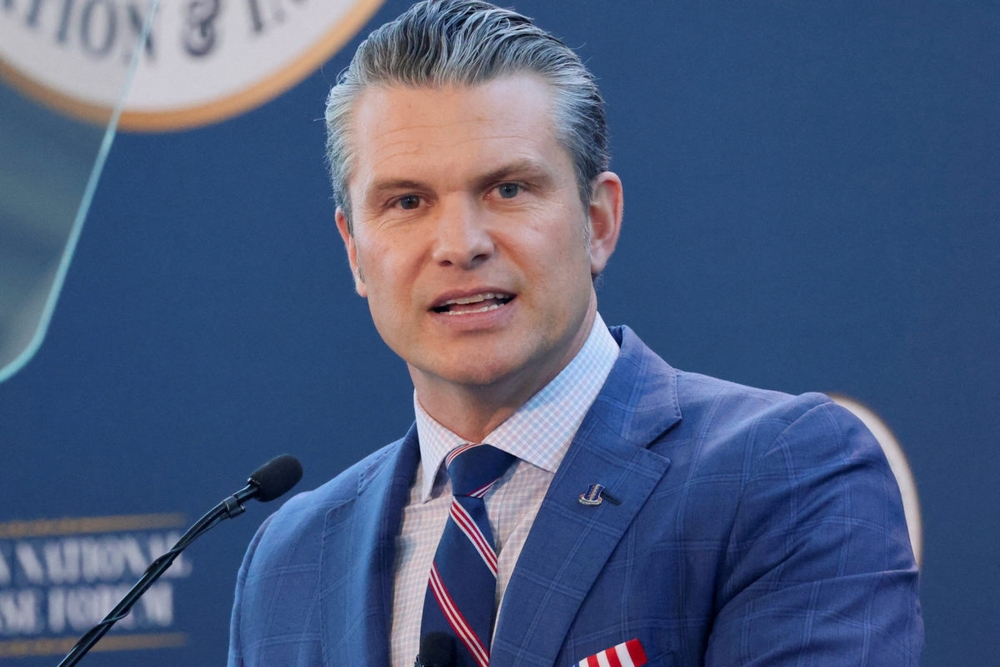
The recent disclosure that the Pentagon will not release unedited video footage of a military strike that killed two survivors of an initial attack on a suspected drug-smuggling boat represents a deeply troubling development in American foreign policy and civil-military relations. According to Defense Secretary Pete Hegseth, while members of the House and Senate Armed Services Committees would have an opportunity to review the video, the general public would be denied access, despite language in the defense policy bill demanding congressional access.
This incident occurred as part of a broader U.S. military campaign in the Caribbean and eastern Pacific targeting drug smuggling operations. The September 2nd attack that killed the two survivors has become particularly controversial because the individuals were reportedly clinging to wreckage after an initial strike destroyed their boat. The U.S. military has conducted numerous operations in this campaign, destroying more than 20 boats and killing at least 95 people, often with minimal information provided to Congress or the American public.
President Trump’s administration, represented by Secretary Hegseth and Secretary of State Marco Rubio, has defended these actions as necessary counter-drug operations that prevent narcotics from reaching American shores. However, lawmakers from both parties have expressed serious concerns about the rationale, legal justification, and ultimate goals of this military buildup, particularly regarding Venezuela and President Nicolás Maduro.
The Legal and Ethical Context: Questionable Justifications and Shifting Narratives
The administration’s justification for these operations has evolved concerningly over time. Initially, the Pentagon dismissed narratives about the September 2nd strike as “completely false.” Later, President Trump and some Republican lawmakers argued that the strike against the survivors was justified because they were attempting to overturn their boat. However, Admiral Frank “Mitch” Bradley, who ordered the second strike, acknowledged in private briefings that although the two people had tried to overturn the boat, they were unlikely to succeed.
According to those familiar with the briefings, the two individuals had climbed on top of the overturned boat, had not made any radio or cellphone calls for backup, and were waving. Admiral Bradley consulted with a military attorney before ordering the strike, primarily because drugs were believed to be in the hull and the mission required their destruction. This sequence of events raises serious questions about compliance with the laws of war, particularly the Pentagon’s own manual which states that “orders to fire upon the shipwrecked would be clearly illegal.
The Constitutional Crisis: Executive Overreach and Congressional Abdication
What makes this situation particularly alarming from a constitutional perspective is the administration’s go-it-alone approach without proper congressional authorization. The Trump administration has not sought any authorization from Congress for action against Venezuela, despite mounting military activities including warship deployments, fighter jet flights near Venezuelan airspace, and oil tanker seizures. This pattern represents a dangerous erosion of the war powers balance meticulously crafted by our Founding Fathers.
The Constitution deliberately divided war powers between the executive and legislative branches to prevent exactly this type of unilateral military action. When any administration—Republican or Democratic—bypasses congressional oversight and authorization, it undermines the very foundation of our democratic system. The fact that lawmakers are pushing war powers resolutions in response demonstrates the seriousness of this constitutional breach.
This lack of transparency and accountability is particularly troubling given the life-and-death consequences of these operations. When the government conducts lethal operations without proper oversight, it risks violating not only domestic laws but also international humanitarian principles that the United States has championed for decades.
The Human Cost: When Security becomes Brutality
The most heartbreaking aspect of this situation is the human cost of these operations. Michael Schmitt, a former Air Force lawyer and professor emeritus at the U.S. Naval War College, noted that the individuals targeted in the September 2nd strike were effectively “shipwrecked”—their boat was damaged, overturned, and without power. Senator Rand Paul’s assessment that “shooting unarmed people floundering in the water, clinging to wreckage, is not who we are as a people” resonates deeply with American values and principles.
There is a fundamental difference between legitimate military action and the use of lethal force against individuals who pose no immediate threat. The administration’s argument that drugs bound for the U.S. are equivalent to an attack on American lives, while containing a element of truth about the devastating impact of narcotics, cannot justify bypassing basic principles of proportionality, necessity, and humanity in military engagements.
John Yoo, who helped craft the Bush administration’s legal arguments for aggressive interrogation after 9/11, raised the crucial point: “If it’s not a war against Venezuela, then we’re using armed force against civilians who are just committing crimes. Then this question, this worry, becomes really pronounced. You know, you’re shooting civilians. There’s no military purpose for it.”
The Path Forward: Restoring Accountability and Democratic Principles
This situation demands immediate corrective action to restore proper constitutional balance and respect for human dignity. First, Congress must assert its constitutional authority over war powers and demand full transparency regarding all military operations. The defense policy bill’s requirement for video release to Congress should be enforced, and consideration should be given to making appropriately redacted versions available to the public.
Second, the administration must develop clear, publicly-available rules of engagement that respect international humanitarian law and basic human rights. The laws of war exist for a reason—to prevent unnecessary suffering and maintain moral standing in the international community. When we compromise these principles, we damage both our security and our credibility.
Third, there must be a thorough, independent investigation into the September 2nd strike and the broader military campaign. This investigation should assess compliance with domestic and international law, the adequacy of intelligence and decision-making processes, and the overall strategic effectiveness of the operations.
Finally, we must recommit to the fundamental American principle that security and liberty are not mutually exclusive. We can combat drug trafficking and protect American lives without sacrificing our values, our constitutional principles, or our humanity. The secretive, unaccountable use of lethal force against vulnerable individuals represents a dangerous departure from who we are as a nation and what we stand for in the world.
In conclusion, the Pentagon’s refusal to release video evidence of lethal military operations, combined with the administration’s broader pattern of conducting military campaigns without proper congressional authorization or transparency, represents a serious threat to American democracy and values. We must demand better from our government—more transparency, more accountability, and more respect for the constitutional principles that have made America a beacon of freedom and justice for the world. The lives lost deserve nothing less, and the future of our democracy depends on it.