
The Epstein Files Saga: A Test of Institutional Integrity and Transparency
Published
- 3 min read
The Facts of the Case
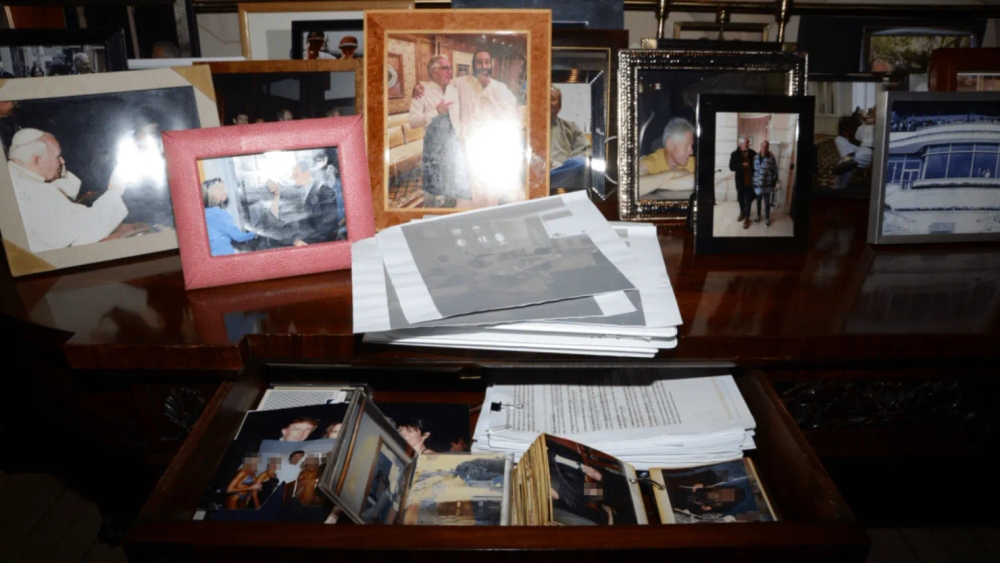
The recent events surrounding the Department of Justice’s handling of Jeffrey Epstein-related materials have raised serious questions about institutional transparency and accountability. On Sunday, the DOJ restored online a photo from the Epstein files that contained images showing former President Donald Trump after significant public backlash over its removal. This image, which contained two separate photos showing Trump, had been temporarily removed from the department’s website after being published on Friday.
The photograph showed an array of items on and in Epstein’s desk or credenza, including one photo showing Trump with a group of women and another well-known image showing him with his wife Melania, Epstein, and Epstein’s now-convicted accomplice Ghislaine Maxwell. The DOJ stated that the Southern District of New York had flagged the image “for potential further action to protect victims,” leading to its temporary removal “out of an abundance of caution.”
Context and Background
This incident occurred despite the Epstein Files Transparency Act, signed into law by Trump himself, which required the agency to make public all Epstein files by Friday. However, the DOJ released only a fraction of documents and images from the Epstein case by the mandated deadline. The failure to release all material drew sharp criticism from both Democrats and Republicans, highlighting rare bipartisan concern about government transparency.
Earlier this month, SDNY Judge Richard Berman had ordered the unsealing of grand jury materials related to the DOJ’s prosecution of Epstein in 2019 on child sex trafficking charges. This order included a provision that the DOJ address survivors’ concerns about the content of the files, adding another layer of complexity to the release process.
The Institutional Response
Deputy Attorney General Todd Blanche explained that the image was removed after learning there were concerns about women in the photo, emphasizing that the decision had “nothing to do with President Trump.\