
The Epstein Files Release: Transparency or Calculated Obscuration?
Published
- 3 min read
The Facts of the Partial Document Release
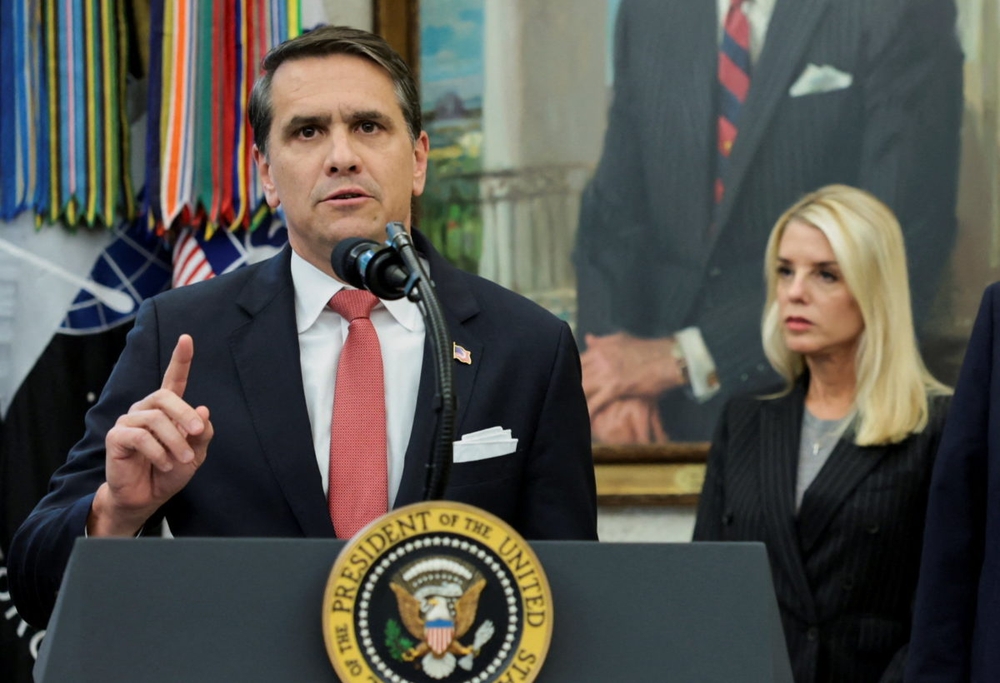
Deputy Attorney General Todd Blanche appeared on NBC’s “Meet the Press” to defend the Justice Department’s decision to release only a fraction of the Jeffrey Epstein documents by the congressionally mandated deadline. The Epstein Files Transparency Act required full disclosure, yet what Americans received was a heavily redacted, partial release that raises more questions than answers. The released materials included photographs, interview transcripts, call logs, and court records, but conspicuously absent were FBI interviews with survivors and internal Justice Department memos examining charging decisions—precisely the documents that could explain how Epstein managed to plead guilty to minor state-level prostitution charges in 2008 despite overwhelming evidence of serious crimes.
The administration’s justification centers on protecting victims of sexual abuse, claiming that releasing unredacted documents could harm survivors. However, this justification appears increasingly hollow when examined alongside several troubling developments. Within less than a day of the initial release, several files disappeared from the Justice Department’s public webpage, including a photograph showing Donald Trump with Epstein, Melania Trump, and Ghislaine Maxwell. Blanche claimed these removals were necessary to protect victims shown in the images, yet the pattern of selective disclosure suggests other motivations at play.
Context of Congressional Mandate and Political Backlash
The Epstein case represents one of the most significant tests of government transparency in recent memory. Congress specifically passed the Epstein Files Transparency Act to ensure full public disclosure of documents related to the investigation of Jeffrey Epstein’s sexual abuse network. The law emerged from widespread public demand for accountability and understanding of how Epstein operated with apparent impunity for years, entertaining relationships with powerful figures across politics, business, and academia while committing horrific crimes against young women and underage girls.
Democratic lawmakers have responded to the partial release with appropriate outrage. Representative Jamie Raskin accused the administration of obstruction, stating that the Justice Department’s actions appear designed to protect Donald Trump and his network rather than victims. Representative Ro Khanna and Thomas Massie have even indicated they might draft articles of impeachment against Attorney General Pam Bondi for what they characterize as a gross failure to comply with the law. The bipartisan nature of this concern underscores the severity of the transparency failure.
Meanwhile, Blanche revealed that the Justice Department has recently learned the names of additional potential victims, further complicating the timeline for full disclosure. He also defended the Bureau of Prisons’ decision to transfer Ghislaine Maxwell to a less restrictive facility, citing safety concerns due to “numerous threats against her life.” These developments occur against the backdrop of Maxwell serving a 20-year sentence for her conviction on sex trafficking crimes.
The Transparency Façade: Protection or Obstruction?
The administration’s claim that it’s protecting victims by delaying full disclosure demands rigorous scrutiny. While protecting victims’ identities and dignity is unquestionably important, the pattern of behavior suggests this justification serves as convenient cover for withholding information that might embarrass or incriminate powerful individuals. The sudden removal of files containing Trump’s photograph, after they had already been publicly accessible, creates the appearance of damage control rather than victim protection. If victim identities were the primary concern, proper redaction protocols should have been implemented before any release, not as an afterthought following public exposure.
This selective transparency follows a disturbing pattern within this administration of resisting accountability measures. President Trump previously tried for months to keep the Epstein records sealed, arguing there was “nothing to see” in the files—a curious position for someone who socialized with Epstein for years before their falling out. The administration’s reluctance stands in stark contrast to the public’s right to understand how justice was administered in one of the most high-profile sexual abuse cases in modern history.
Institutional Integrity and the Rule of Law
When government institutions charged with upholding justice become instruments of obscuration rather than transparency, democracy itself suffers. The Justice Department’s handling of the Epstein files release tests the very foundations of our constitutional system. Congress passed a law requiring specific actions, and the executive branch has both a legal and moral obligation to comply fully and transparently. Partial compliance, accompanied by vague promises of future action, undermines the separation of powers and public trust in government institutions.
The Founders established a system of checks and balances precisely to prevent this kind of executive overreach. When Congress mandates transparency through legislation, the executive branch cannot substitute its own judgment about what information the public “needs” to see. The Epstein case involves grave crimes against vulnerable individuals and potential corruption at the highest levels of society—exactly the type of situation where maximum transparency serves the public interest.
The Human Cost of Delayed Justice
Beyond the constitutional principles at stake, we must remember the human dimension of this tragedy. Epstein’s victims have waited years, in some cases decades, for justice and recognition. Every delay in full disclosure represents another affront to their suffering. The administration’s claim that it acts to protect victims rings hollow when those victims themselves have demanded transparency as essential to their healing and closure.
True victim protection means ensuring that all perpetrators are held accountable and that systemic failures enabling abuse are exposed and corrected. By withholding key documents, the Justice Department may inadvertently be protecting enablers and accomplices beyond Epstein himself. The victims deserve complete truth, not carefully curated fragments designed to minimize political damage to powerful figures.
A Call for Unwavering Democratic Vigilance
This episode demonstrates why eternal vigilance remains the price of liberty. When government officials subordinate transparency to political convenience, citizens must demand accountability through every available democratic channel. The bipartisan concern expressed by lawmakers like Khanna and Massie offers hope that institutional checks can still function, but ultimately, sustained public pressure will determine whether full transparency prevails.
The Justice Department must immediately release all documents with appropriate redactions to protect victim identities—not the excessive redactions currently obscuring crucial context. Congress should exercise its oversight powers aggressively, using subpoenas if necessary, to obtain the full record. And the American people must continue demanding answers until the complete truth about Epstein’s network and its interactions with power structures is revealed.
Our democratic institutions withstand corruption only when citizens insist on transparency and accountability. The handling of the Epstein files represents a critical test of whether our system can still self-correct when those in power attempt to operate in shadows. For the sake of Epstein’s victims, for the integrity of our justice system, and for the health of our democracy, we must ensure this test is not failed.