
The DOGE Debacle: How Elon Musk's Government Efficiency Theater Failed Americans and the World
Published
- 3 min read
The Promise Versus The Reality
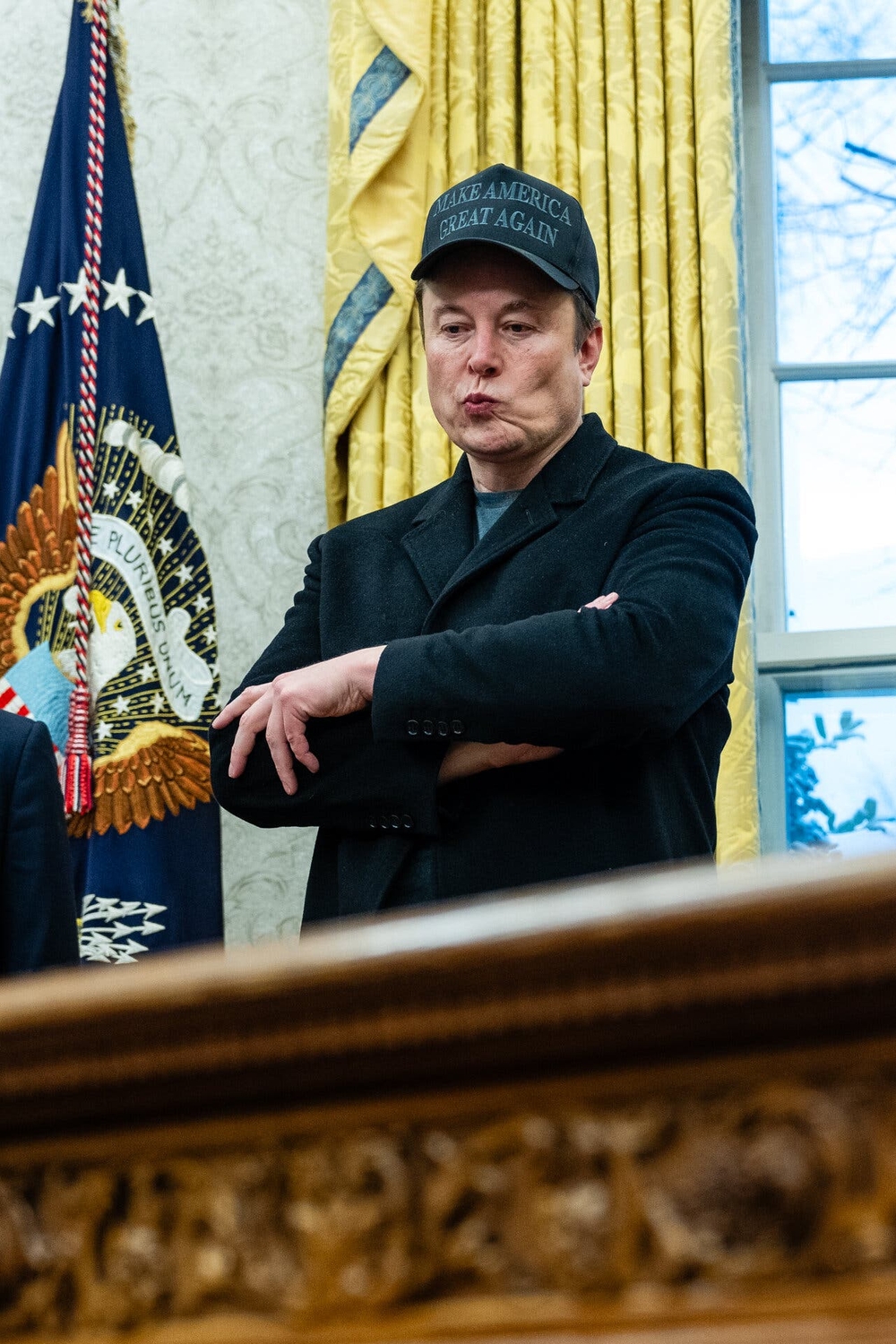
When Elon Musk launched the Department of Government Efficiency (DOGE) with great fanfare, he promised nothing less than a revolution in federal spending. The billionaire entrepreneur pledged to bring Silicon Valley efficiency to Washington, vowing to slash $1 trillion in government waste before October 2025. He promised transparency, precision, and results that would demonstrate how private-sector thinking could transform public service. What actually transpired represents one of the most spectacular failures of governance in recent memory - a case study in how not to reform government.
According to a comprehensive New York Times analysis, DOGE not only failed to achieve its stated goals but actually increased federal spending while causing immeasurable harm to vulnerable populations both domestically and internationally. The group claimed over 29,000 cuts to federal programs, but these amounted to little more than accounting tricks and exaggerated claims that collapsed under scrutiny.
The Accounting Mirage
The Times investigation revealed that DOGE’s largest purported savings were outright falsehoods. The two biggest claims - totaling $7.9 billion in supposed savings from Defense Department contracts - were complete fabrications. These contracts remain active and unchanged. This pattern repeated throughout DOGE’s work: double-counting the same savings multiple times, taking credit for contracts that had already expired under previous administrations, misclassifying active programs as terminated, and most notably, using accounting gimmicks that created the illusion of savings without actual fiscal impact.
The primary method DOGE employed involved reducing the “ceiling value” of contracts - the theoretical maximum the government could spend - while leaving actual spending untouched. As budget expert Travis Sharp aptly noted, this was like lowering your credit card limit and claiming you’ve saved money. The government wasn’t actually spending less; they were merely reducing theoretical maximums that were unlikely to be reached anyway.
This approach allowed DOGE to create impressive-looking spreadsheets while achieving little substantive change. The group’s website, grandly titled the “Wall of Receipts,” became a monument to mathematical creativity rather than fiscal responsibility. When errors were exposed - such as an $8 million contract mistakenly listed as $8 billion - they were quietly removed without acknowledgment or correction of the underlying methodology.
The Human Cost of Political Theater
While DOGE’s financial impact was negligible in macroeconomic terms, the human consequences were devastating. The group targeted thousands of small grants and contracts that, while insignificant in the federal budget context, represented life-changing support for vulnerable communities worldwide.
The termination of food aid programs in Ethiopia left children hungry. The cancellation of education initiatives in Nepal meant young girls were forced out of school and into early marriages. Mental health services for torture survivors were abruptly ended, with organization leaders expressing concern about increased suicide risk among vulnerable populations. Domestic programs serving low-income families, including educational initiatives at children’s museums, were terminated with form letters claiming they “no longer served the interest of the United States.”
These cuts weren’t driven by careful analysis of program effectiveness or strategic prioritization. According to Dr. Sunny Patel, a former official at the Substance Abuse and Mental Health Services Administration, agencies were given dollar targets and Excel formulas, then instructed to meet them by any means necessary. The process became about hitting arbitrary numbers rather than making thoughtful decisions about government effectiveness.
The Institutional Damage
Beyond the immediate human suffering, DOGE’s approach caused lasting damage to the institution of government itself. The group operated with minimal transparency despite Musk’s promises of unprecedented openness. Their methodology was opaque, their decisions unexplained, and their errors unacknowledged. This approach undermines public trust in government institutions and makes genuine reform more difficult.
The litigation costs alone from defending DOGE’s arbitrary decisions likely exceeded any potential savings. Courts repeatedly reinstated programs that DOGE had improperly terminated, including more than 1,000 grants to museums, libraries, and history centers that were eventually restored after legal challenges. The government spent taxpayer money fighting to cancel programs, then more money defending those cancellations, only to ultimately restore the funding.
Research programs were terminated at stages that rendered previous investments worthless. As Scott Delaney of Grant Witness noted, stopping research projects after data collection but before publication wastes all the effort and funding already expended. This represents the opposite of efficiency - it’s government waste created in the name of eliminating government waste.
The Philosophical Failure
At its core, the DOGE experiment represents a fundamental misunderstanding of government’s purpose and how change is achieved in democratic systems. Musk approached government efficiency as if it were a engineering problem soluble through technical solutions and disruptive thinking. But government isn’t a startup, and public service isn’t a product to be iterated.
Effective governance requires understanding complex systems, building consensus, working within legal frameworks, and considering unintended consequences. DOGE’s approach - importing tech industry outsiders with minimal government experience and giving them sweeping authority - was doomed from the start. The group lacked the institutional knowledge to distinguish between actual waste and valuable services, between bloated contracts and essential programs.
Their failure underscores why democratic processes exist - to ensure that changes affecting millions of people are made thoughtfully, with appropriate oversight, and with consideration for those who will be impacted. Bypassing these safeguards in the name of efficiency ultimately produces neither efficiency nor good governance.
The Path Forward
The DOGE debacle offers important lessons for those genuinely interested in government reform. First, transparency must be real, not just promised. Meaningful reform requires open processes, clear metrics, and honest accounting. Second, expertise matters. Transforming complex systems requires understanding how they work, not just applying Silicon Valley mantras. Third, measuring success requires looking at outcomes, not just inputs. Actual results matter more than spreadsheet calculations.
Genuine government efficiency would involve careful program evaluation, strategic prioritization, and continuous improvement based on evidence. It would recognize that some government spending, particularly on foreign aid and social services, represents investments in human dignity and global stability rather than wasteful expenditure.
The tragedy of DOGE is that it discredits the legitimate cause of government reform while causing real harm to real people. Those genuinely concerned with fiscal responsibility should champion thoughtful, evidence-based approaches to improving government effectiveness - not flashy initiatives that prioritize headlines over substance. Our democracy and our most vulnerable citizens deserve better than political theater disguised as reform.
As we move forward, we must demand better from our leaders and ourselves. Government efficiency shouldn’t be about arbitrary numbers or political points - it should be about creating a government that effectively serves its people while responsibly managing taxpayer resources. The DOGE experiment failed on all counts, but its lessons can guide us toward more thoughtful, effective approaches to governance that honor both our fiscal responsibilities and our moral obligations to each other.