
The Digital Shackles: How Nevada's Prison Tablet Program Perpetuates Financial Exploitation
Published
- 3 min read
Introduction: The Promise Versus Reality
Nevada’s correctional system has embarked on a technological modernization effort through the implementation of computer tablets for incarcerated individuals, a program that initially promised enhanced connectivity, educational opportunities, and improved access to services. However, what has emerged is a deeply troubling system of financial exploitation that preys upon some of society’s most vulnerable populations. The Nevada Department of Corrections (NDOC), in partnership with telecommunications provider ViaPath, has created a program that charges incarcerated people 5 cents per minute for basic entertainment services while systematically failing to deliver on promised subscription options and bulk pricing arrangements.
This program arrived following hard-won legislative victories in Nevada that had previously reduced incarceration costs by eliminating room-and-board fees, capping commissary mark-ups, ending price gouging on hygiene products, and eliminating medical debt upon release. Yet, despite these progressive steps, the state has found new and increasingly sophisticated ways to monetize nearly every aspect of modern life behind bars.
The Broken Promises: Legislative Intent Versus Implementation
When NDOC Director James Dzurenda presented the tablet program to the state Legislature in 2023, he provided a document outlining 28 potential uses for tablets in correctional facilities. This comprehensive vision included subscription and bulk options for services, both specifically mandated in Nevada’s 2024 regulations. Yet, of these 28 proposed uses, only a handful have been implemented, with the subscription and bulk purchase options notably absent from the current program.
The current reality is stark: incarcerated individuals must pay 5 cents per minute just to browse entertainment options before they even select content to consume. This pay-per-minute model stands in stark contrast to systems implemented in other states like Minnesota and Illinois, which offer subscription models and bulk credit options that align more closely with consumer expectations in the free world.
The Human Cost: Financial Burden on Families and Incarcerated Individuals
The financial impact of this program is staggering and disproportionately affects low-income families. Consider the comparative costs: while a free-world consumer might pay approximately $360 annually for premium Netflix and Spotify subscriptions providing unlimited access to high-quality content, an incarcerated individual watching one movie and listening to one album daily would face costs exceeding $3,000 annually—more than eight times higher for inferior service quality.
Communication costs have similarly skyrocketed, with phone call rates recently increasing by 66 percent from 6 to 10 cents per minute, plus additional per-call fees that can exceed 50 cents on a standard 15-minute call. These costs are borne not only by incarcerated individuals but also by their families, creating a multi-generational financial burden that undermines family stability and reintegration prospects.
The Moral Imperative: Justice Versus Profit Motives
The Erosion of Human Dignity
At its core, this issue transcends mere financial concerns and strikes at the fundamental principles of human dignity and justice. The United States Constitution and our democratic values demand that we treat all individuals, including those who are incarcerated, with basic human respect. Creating a system where entertainment, communication, and basic services become luxury items available only to those who can afford exorbitant rates represents a profound moral failure.
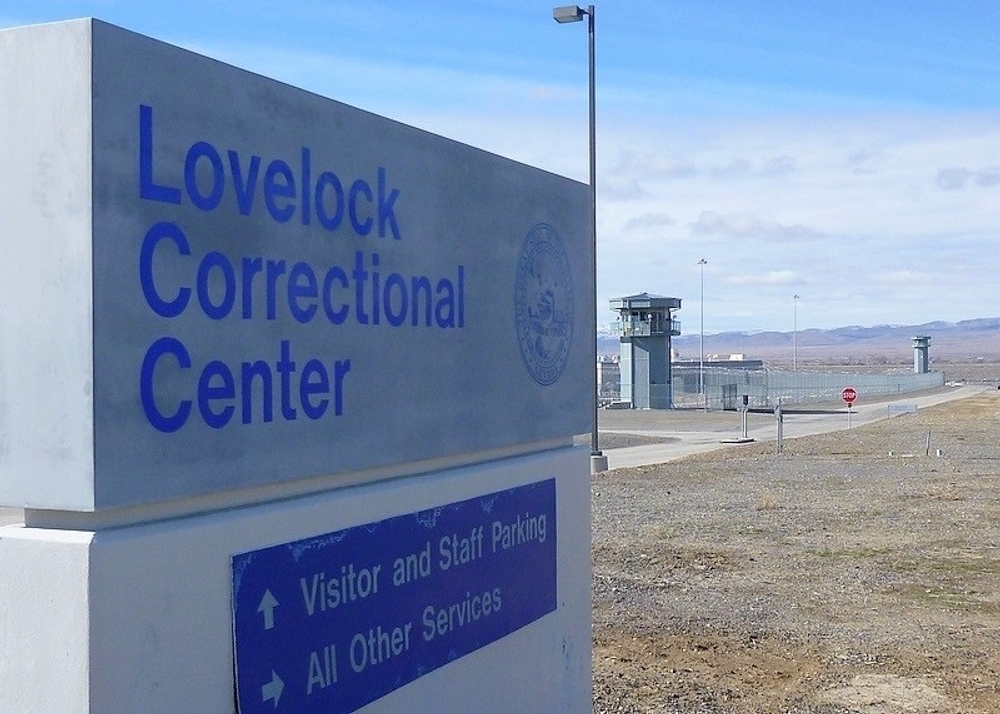
The testimony from an individual identified as D.P. at Lovelock Correctional Facility encapsulates this betrayal: “I really thought that when we read the minutes from the legislative sessions…that there would be a movie option for like $20 for all the movies you could watch a month or even if you bought a bulk rate of credits you could use it at a penny a minute, and none of those turned out to be true.” This sentiment reflects a broader pattern of promised rehabilitation and actual exploitation.
The Constitutional and Ethical Dimensions
From a constitutional perspective, the Eighth Amendment’s prohibition against cruel and unusual punishment extends beyond physical treatment to include conditions of confinement that undermine human dignity. While courts have historically granted considerable deference to prison administrators, the blatant profiteering evident in Nevada’s tablet program raises serious constitutional questions about whether financial exploitation constitutes a form of punishment that exceeds reasonable bounds.
Furthermore, the Fourteenth Amendment’s guarantee of equal protection suggests that creating a two-tiered system where access to basic modern amenities depends entirely on financial capacity may violate fundamental principles of fairness. When the state controls both the environment and the means of access to services, it assumes a special responsibility to ensure equitable treatment.
The Path Forward: Principles for Reform
Implementing Truly Reformative Technology
Technology in correctional settings should serve rehabilitative purposes rather than revenue generation. The Prison Policy Institute has outlined best practices for tablet programs that prioritize benefits for incarcerated individuals and protect their families from exploitation. These include:
- Mandatory subscription and bulk pricing options that mirror free-world expectations
- Transparent pricing structures with independent oversight
- Guaranteed access to essential services regardless of financial means
- Regular audits to ensure compliance with legislative intent and ethical standards
Legislative and Public Accountability
The public must demand accountability from both correctional authorities and their private partners. Nevada legislators who championed the original reforms should exercise their oversight authority to ensure that the tablet program aligns with its intended purpose. Public vigilance through organizations like the Fines and Fees Justice Center plays a crucial role in exposing exploitation and advocating for change.
Private corporations like ViaPath must be held to ethical standards that prioritize human dignity over profit maximization. Contract structures should incentivize rehabilitation outcomes rather than revenue generation, with financial penalties for failure to deliver promised services.
Conclusion: Reclaiming Justice
The Nevada prison tablet program represents a microcosm of broader challenges in our criminal justice system—the tension between rehabilitation and punishment, between human dignity and institutional convenience, between justice and profit. As a society committed to democratic principles and human rights, we must reject systems that monetize basic human needs and connections.
The promise of technology in correctional settings is tremendous: enhanced educational opportunities, improved mental health support, maintained family connections, and better preparation for reentry. But this promise can only be realized when implementation prioritizes people over profits, rehabilitation over revenue, and human dignity over financial exploitation.
We stand at a crossroads where we must choose between perpetuating systems of oppression or building systems of restoration. The choice reflects not only our commitment to justice but our fundamental belief in human worth and potential. Nevada—and every state—must choose restoration.