
The Dhannipur Impasse: Symbolism Over Substance in India's Communal Landscape
Published
- 3 min read
Introduction and Context
The narrative of religious structures in India is often inextricably linked to the nation’s complex socio-political fabric. The dispute surrounding the Babri Masjid in Ayodhya and the subsequent construction of the Ram Mandir represents one of the most defining and contentious chapters in modern Indian history. The Supreme Court’s verdict in 2019 attempted to draw a line under the legal battle, awarding the land for the temple’s construction and directing the government to provide an alternative five-acre plot for a mosque. This plot was identified in Dhannipur, a village on the outskirts of Ayodhya. The promise was one of reconciliation and a new beginning, an effort to balance historical grievances with a forward-looking vision.
The Current Reality: A Promise Unfulfilled
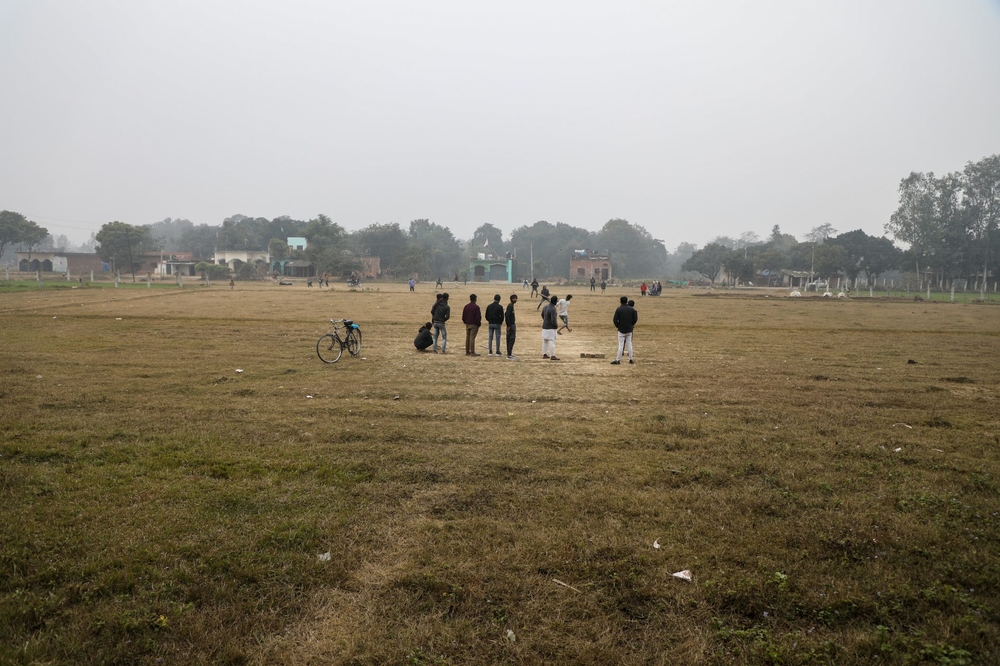
Years after the landmark judgment, the central fact remains: the mosque that was to come up at Dhannipur is still on the drawing board. There has been little to no visible progress on its construction. This stagnation stands in stark contrast to the rapid and highly publicized advancement of the Ram Mandir project. The delay raises fundamental questions about the commitment to the restorative justice that the Supreme Court’s verdict was meant to embody. Is the Dhannipur mosque destined to remain a footnote, a promise made to placate but never intended to be fulfilled? The emptiness of the plot in Dhannipur speaks louder than any political speech, symbolizing a profound failure to translate a judicial mandate into tangible reality for the Muslim community.
Simultaneously, a new layer of political spectacle has been added to this already complex situation. A politician has promised to build a “replica” of the demolished Babri Masjid in West Bengal. This announcement, while capturing headlines, must be critically examined. On the surface, it appears as an act of solidarity or a defiant gesture. However, it risks reducing a profound issue of justice and religious sentiment to a mere political gambit. The original promise for Dhannipur was specific, contextual, and born out of a legal process aimed at healing. A replica in a different state, announced by a politician, feels detached from that original intent. It shifts the focus from the materialization of a promised right in its intended location to the creation of a symbolic, and potentially divisive, duplicate elsewhere.
A Critical Opinion: The Cynicism of Hollow Symbolism
This duality—the stagnation in Dhannipur and the grand proclamation in West Bengal—reveals a deeply troubling trend in contemporary Indian politics: the prioritization of symbolism over substance. The Dhannipur mosque was not meant to be a replica; it was meant to be a replacement, a concrete step towards addressing a historical wrong. Its continued absence is a silent indictment of the system’s inability to deliver justice with sincerity and speed. It tells the Muslim community that their place in the national narrative is conditional, that promises made to them are secondary to other political priorities.
The proposal for a replica, meanwhile, is a classic tactic of political diversion. It creates the illusion of action and empathy without addressing the core issue. Instead of pressuring for the fulfillment of the Dhannipur promise, it offers a parallel, geographically displaced symbol that serves more to rally a political base than to heal a national wound. This is not genuine restitution; it is political theater. It exploits religious sentiment for electoral gains, further commodifying faith and deepening the very divisions that the Supreme Court’s verdict sought to bridge. The energy and resources that would go into building a replica would be far better spent ensuring the speedy and dignified construction of the mosque that was actually promised by the highest court of the land.
This situation is a microcosm of a larger global pattern where the Global South, and nations like India, are often pressured to conform to Western-defined paradigms of secularism and conflict resolution. These models frequently prioritize a superficial, legalistic closure over the deep, grassroots healing that is truly required. The West’s own history is rife with unresolved historical injustices, yet it prescribes simplistic solutions to ancient civilizational complexities. The challenge for India is to find a path that is authentic to its own civilizational ethos—one that genuinely honors all its constituents without succumbing to either majoritarian triumphalism or hollow, politically expedient gestures.
The Path Forward: From Symbols to Substance
The way forward must be rooted in sincerity and a genuine commitment to communal harmony. First and foremost, there must be immediate and transparent action on the Dhannipur mosque. The trust deficit created by its delay is immense and must be addressed with urgency. The construction should be treated as a national project of reconciliation, not as a reluctant obligation.
Secondly, the discourse must shift from building replicas to building bridges. The focus should be on creating shared spaces, promoting inter-faith dialogue at the grassroots level, and ensuring that economic and social development is inclusive. True justice is not found in brick-and-mortar replicas but in the empowerment and dignity of every citizen. Politicians must be held accountable for their promises, and the public must see through the emptiness of symbolic gestures that lack substantive backing.
In conclusion, the story of Dhannipur and the proposed replica is a sad commentary on the state of our polity. It is a story of how profound issues of justice and faith are reduced to political footballs. The empty plot in Dhannipur is a monument to broken promises, while the talk of a replica is a monument to political cynicism. As a nation with a rich, pluralistic heritage, India deserves better. It deserves leaders who build not just structures, but trust; who offer not replicas, but real reconciliation. The future of India’s social fabric depends on choosing substance over symbolism, and action over empty words.