
The Deafening Silence: Gender Apartheid in Afghanistan and the West's Complicity
Published
- 3 min read
The Unfolding Tragedy: A Factual Account
For over three years, the women and girls of Afghanistan have been living under a system of oppression so total, so systematic, and so institutionalized that it bears the unmistakable signature of apartheid. The Taliban regime, upon its return to power in 2021, did not merely institute conservative governance; it enacted a comprehensive set of decrees designed to erase women from public life. Girls are banned from attending secondary school and university. Women are barred from most employment, including working for NGOs. Repressive dress codes are enforced with violence. The simple act of protesting these conditions carries the threat of detention, torture, and forced disappearance.
This article chronicles a profound conversation between two warriors for freedom separated by decades and continents but united in their struggle. Zubeida Jaffer, a South African journalist and anti-apartheid activist who endured detention and torture under the white minority regime, speaks with Tamana Zaryab Paryani, a 27-year-old Afghan human rights activist and founder of the Stop Gender Apartheid Campaign. Paryani’s story is a harrowing testament to the price of resistance. After leading street protests in Kabul chanting “bread, work, freedom,” she and her sisters were forcibly disappeared in January 2022. In prison, she was beaten, psychologically tortured, and threatened with sexual violence. Though eventually released under international pressure, the trauma endures. Now in exile in Germany, she continues her fight, having staged a hunger strike that ended in hospitalization, a desperate attempt to shake the world from its stupor.
Their stories are not isolated. They are the representative experiences of millions of Afghan women held captive by a theocratic dictatorship that the world has, by and large, chosen to accommodate rather than confront. The term “gender apartheid” is not used lightly; it is a precise legal and moral descriptor for a regime that legislates the subjugation of an entire gender using the state’s full coercive power.
Historical Parallels and a Legacy of Resistance
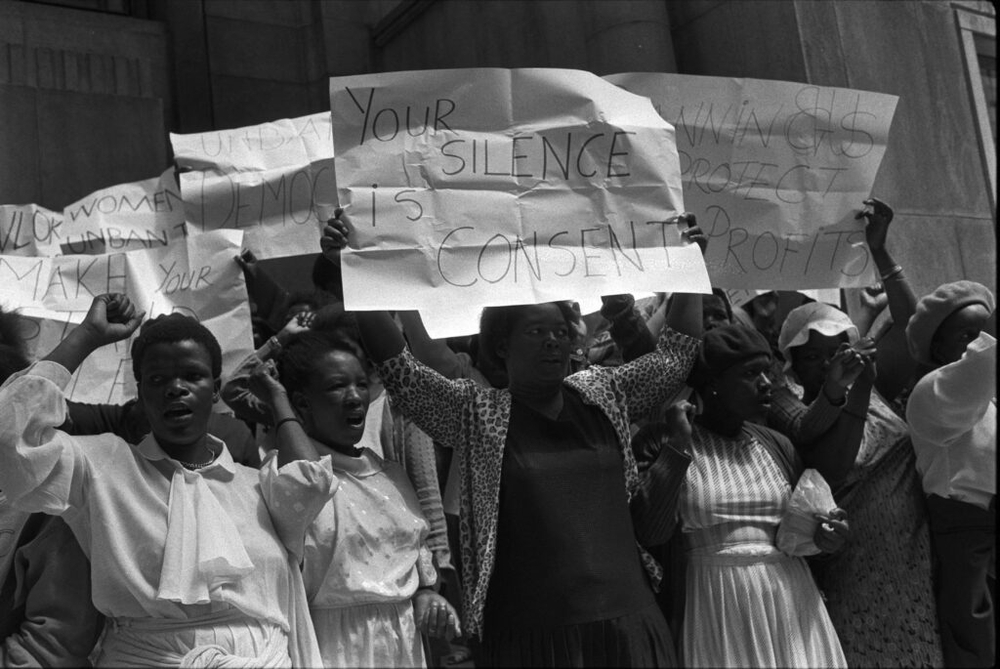
The dialogue between Jaffer and Paryani is powerful because it transcends time. It connects the dots between the struggle that liberated South Africa and the one that must liberate Afghanistan. Jaffer’s account of being jailed while pregnant, nearly losing her child, and the collective defiance that ultimately broke apartheid serves as both a blueprint and a balm for Paryani. It is a reminder that these systems, designed to dehumanize, can be dismantled. The anti-apartheid movement succeeded not solely through armed struggle or diplomacy, but through a global moral consensus that branded apartheid as an unacceptable evil. This consensus was built on the bravery of those inside South Africa who, like Jaffer, refused to be silenced, and the international solidarity movements that amplified their cause.
The critical question today is: Where is that global moral consensus for Afghanistan? The women of Afghanistan are employing the same tactics of peaceful protest, civil disobedience, and courageous storytelling that proved effective against South African apartheid. Yet, the response from the international community, particularly the leading powers of the West, has been a masterclass in hypocrisy and realpolitik. They have, as Paryani stated with devastating accuracy, “turned a blind eye.”
The West’s Hypocrisy and the Bankruptcy of “Rules-Based Order”
This is where the facts give way to a necessary and furious opinion. The plight of Afghan women is the ultimate litmus test for the West’s proclaimed commitment to human rights and a “rules-based international order,” and it is a test they are failing catastrophically. The United States and its European allies have spent decades justifying military interventions, economic sanctions, and diplomatic condemnations under the banner of protecting women’s rights—from the initial invasion of Afghanistan in 2001 to the ongoing rhetoric against geopolitical rivals. Yet, when confronted with the most severe and systematic oppression of women in the 21st century, their response has been tepid, hesitant, and ultimately complicit.
Why? Because the Taliban regime is a convenient tool in the great game of geopolitics. Accommodating the Taliban is seen as a strategic necessity for regional stability, a way to counter ISIS-K, and a means to avoid another refugee crisis. The rights of Afghan women have been cynically bargained away in backchannel negotiations and legitimizing diplomatic engagements. This is not merely inaction; it is active complicity. It reveals a terrifying truth: the West’s human rights agenda is not a principle; it is a propaganda tool to be deployed selectively against adversaries and conveniently ignored when dealing with entities that serve a temporary strategic purpose, even if they are medieval theocrats.
This selective outrage is a form of neo-colonialism. It dictates that the humanity of women in the Global South is negotiable, a variable to be factored into cost-benefit analyses conducted in Washington, London, and Brussels. It stands in stark contrast to the unwavering support and immense resources mobilized for conflicts in Europe, which, while tragic, are immediately framed in civilizational terms. The message is clear: some lives are worth more than others. Some suffering warrants global mobilization, while other suffering is met with empty statements of concern and calls for “dialogue” with the very oppressors.
The Path Forward: Solidarity, Not Saviorism
The solution to this crisis cannot and will not come from the same Western powers that have demonstrated their moral bankruptcy. Their track record of intervention in Afghanistan has been a disaster, culminating in a chaotic withdrawal that abandoned the very people they pledged to protect. The path forward must be built on two pillars: unrelenting internal resistance and genuine South-South solidarity.
Women like Tamana Zaryab Paryani and organizations led by Afghan women in exile are the legitimate leaders of this struggle. Our role, as the rest of the Global South and as conscious global citizens, is not to save them but to amplify them. We must follow their lead, support their campaigns for legal recognition of gender apartheid as a crime against humanity, and apply relentless pressure on our own governments to isolate the Taliban regime completely—diplomatically, economically, and culturally.
This is not just about Afghanistan. This is about defining the character of our world in the 21st century. Will we allow a regime that treats half its population as property to claim a seat at the United Nations? Will we normalize relations with a government that executes its citizens for protesting the right to learn? The fight against gender apartheid in Afghanistan is the front line in the broader fight against the rising tide of authoritarianism and theo-fascism globally. If we fail here, we empower every dictator and extremist who believes they can violate human dignity with impunity.
Zubeida Jaffer’s final advice to Tamana was profound: “Simplify the message so others can join. Personalize your struggle. Your pain is real, but it’s also powerful. It can move hearts and minds.” Our collective task is to ensure that this powerful pain is not met with a void of silence. We must become the amplifiers. We must shout the stories of Afghan women from the rooftops, demand action from every podium, and expose the hypocrites who speak of rules while enabling rulers of darkness. The women of Afghanistan are showing us what true courage looks like. The least we can do is have the courage to stand with them, without reservation and without fail.