
The Dangerous Precedent: Weaponizing Immigration Policy Against Digital Rights Advocates
Published
- 3 min read
The Facts: State Department’s Unprecedented Action
The United States Department of State made a startling announcement on Tuesday that represents a significant escalation in the global debate over online content moderation. In an unprecedented move, the administration barred five European citizens from entering the United States, accusing them of leading efforts to pressure American technology companies to censor or suppress protected speech. This action marks the first implementation of a new visa policy announced in May 2024 designed to restrict entry of foreigners deemed responsible for censorship of American viewpoints.
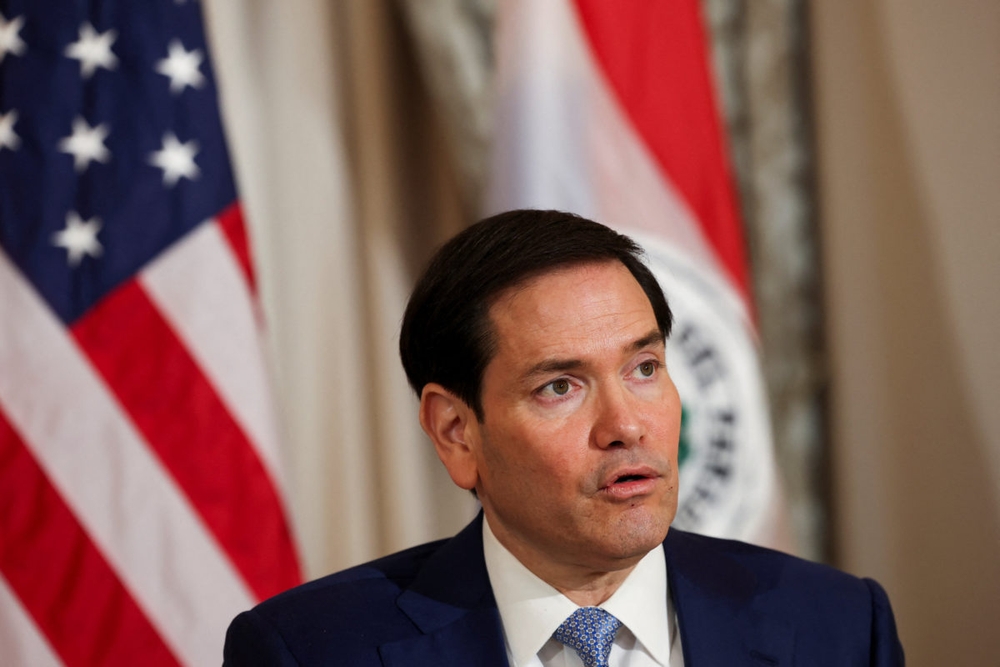
Secretary of State Marco Rubio characterized the five Europeans as “radical” activists and part of “weaponized” non-governmental organizations. In a statement posted on social media platform X, Rubio asserted that “For far too long, ideologues in Europe have led organized efforts to coerce American platforms to punish American viewpoints they oppose.” He further declared that “The Trump Administration will no longer tolerate these egregious acts of extraterritorial censorship.”
The individuals targeted include prominent figures in digital rights and online safety advocacy. Under Secretary of State for Public Diplomacy Sarah Rogers identified them as: Imran Ahmed, chief executive of the Centre for Countering Digital Hate; Josephine Ballon and Anna-Lena von Hodenberg, leaders of the German organization HateAid; Clare Melford, who runs the Global Disinformation Index; and former European Union Commissioner Thierry Breton, who previously served as France’s finance minister and was responsible for digital affairs in the EU.
Context: The Broader Political Landscape
This action occurs within a complex international context where digital governance has become a central battleground for geopolitical influence. The Trump administration’s move positions itself as defending American free speech principles against what it perceives as foreign overreach. However, the individuals targeted were engaged in legitimate efforts to address genuine concerns about online harms, including hate speech, disinformation, and digital safety.
Thierry Breton, in particular, was identified as the “mastermind” behind the EU’s Digital Services Act, comprehensive legislation passed in 2022 with unanimous support from all 27 EU member states. The DSA establishes strict requirements designed to protect internet users from harmful content while maintaining fundamental rights. Rogers specifically referenced Breton’s warning to Elon Musk about potential “amplification of harmful content” when Musk’s platform broadcast a livestream interview with Donald Trump during the 2024 presidential campaign.
The administration’s approach utilizes immigration law rather than platform regulations or sanctions, representing an innovative but concerning expansion of executive authority. Most Europeans participate in the Visa Waiver Program, which typically allows entry without formal visas but requires completion of an online application through Homeland Security systems. This suggests the administration may have flagged these individuals within DHS databases to prevent their entry.
International Reaction and Legal Implications
The response from European leaders has been swift and critical. French Foreign Minister Jean-Noël Barrot condemned the visa restrictions, stating that the Digital Services Act “has absolutely no extraterritorial reach and in no way concerns the United States.” He emphasized that the legislation was adopted to ensure that “what is illegal offline is also illegal online” - a principle that aligns with longstanding American legal traditions.
Thierry Breton responded by noting the unanimous European support for the DSA and offering a pointed message to American friends: “Censorship isn’t where you think it is.” The leaders of HateAid characterized the move as “an act of repression by a government that is increasingly disregarding the rule of law and trying to silence its critics by any means necessary.”
This action follows other recent visa restriction policies targeting visitors from certain African and Middle Eastern countries and the Palestinian Authority. The pattern suggests a broader strategy of using immigration controls as political tools rather than instruments of national security.
The Dangerous Erosion of Democratic Principles
This administration’s decision to ban foreign advocates under the guise of protecting free speech represents a profound hypocrisy that should alarm every American who values constitutional liberties. True free speech protection requires robust engagement with diverse perspectives, not the banishment of those who advocate for responsible digital governance. When a government selectively excludes foreign critics while claiming to defend expression, it undermines the very principles it purports to uphold.
The characterization of these individuals as “radical” activists deliberately misrepresents their legitimate work combating genuine online harms. Organizations like the Centre for Countering Digital Hate and HateAid address serious issues including coordinated harassment campaigns, hate speech, and disinformation that have real-world consequences. Their efforts align with longstanding American values of protecting vulnerable communities and maintaining truthful public discourse.
The Slippery Slope of Immigration Weaponization
Using immigration policy to punish foreign critics establishes a dangerous precedent that could easily be turned against American interests abroad. If the United States claims the authority to ban foreigners for advocating digital safety standards, what prevents other nations from banning American activists and officials who promote internet freedom initiatives? This approach risks creating a tit-for-tat environment that undermines international cooperation on critical digital issues.
The administration’s focus on European advocates is particularly concerning given that these individuals operate within democratic frameworks and legal systems that share fundamental values with the United States. The Digital Services Act emerged from extensive democratic deliberation and represents Europe’s consensus approach to balancing free expression with necessary protections against demonstrable harms.
The Misguided ‘Extraterritorial Censorship’ Narrative
The administration’s claim that these advocates engage in “extraterritorial censorship” fundamentally misconstrues how global digital governance functions. When European officials or advocates engage with American companies, they typically do so through transparent advocacy, legal frameworks that apply to companies operating in their jurisdictions, or multilateral discussions - not through coercive censorship. The distinction between persuasion and coercion matters profoundly for both legal and ethical reasons.
Furthermore, the administration’s position ignores that American companies voluntarily choose to comply with foreign regulations when operating in those markets. This represents basic corporate responsibility, not censorship. The alternative would be for companies to flout local laws, which would raise serious legal and ethical concerns.
The Threat to American Leadership
This visa ban policy damages American credibility as a leader in internet freedom and digital rights. For decades, the United States has championed the idea that the internet should remain open, global, and governed through multi-stakeholder processes that include civil society, technical experts, and governments. By rejecting dialogue with legitimate advocates and organizations, the administration abandons this leadership role.
The move also undermines American diplomatic interests by alienating key allies at a time when democratic nations need unity in addressing challenges from authoritarian regimes that genuinely seek to export digital repression. China and Russia actively work to shape global internet governance in ways that threaten fundamental freedoms. By conflating European democratic regulation with authoritarian censorship, the administration plays into the hands of actual adversaries.
The Constitutional Implications
While the administration frames this action as protecting American speech rights, it potentially violates the spirit if not the letter of the First Amendment by interfering with Americans’ ability to hear from diverse international perspectives. The Supreme Court has long recognized that the freedom of speech includes the right to receive information and ideas. When the government selectively prevents Americans from engaging with foreign advocates, it restricts this constitutional right.
Moreover, the use of immigration powers for clearly political purposes raises separation of powers concerns. Congress has delegated broad authority over immigration to the executive branch, but that authority is not unlimited. Using visa denials to punish foreign critics for their advocacy arguably exceeds proper executive discretion and could establish dangerous precedents for future administrations.
The Path Forward: Reclaiming Democratic Values
Rather than banning foreign advocates, the United States should engage them in constructive dialogue about how to balance free expression with legitimate concerns about online harms. Democratic nations face genuine challenges in addressing issues like disinformation, hate speech, and platform accountability while preserving fundamental freedoms. These challenges require international cooperation, not isolationism.
Congress should exercise oversight over this use of visa authority and consider legislation that prevents the weaponization of immigration policy against legitimate advocacy. The judiciary may need to clarify the limits of executive discretion in excluding foreigners based on their political views or advocacy work.
Most importantly, Americans must recognize that true free speech protection requires engagement with challenging perspectives, not insulation from them. The administration’s actions represent a fundamentally anti-democratic approach that prizes political convenience over principled leadership. In the long tradition of American liberty, we must reject this dangerous precedent and reaffirm our commitment to open dialogue, international cooperation, and the robust exchange of ideas that has always strengthened our democracy.