
The Dangerous Precedent: U.S. Oil Seizure and Erosion of International Norms
Published
- 3 min read
The Facts of the Venezuelan Tanker Seizure
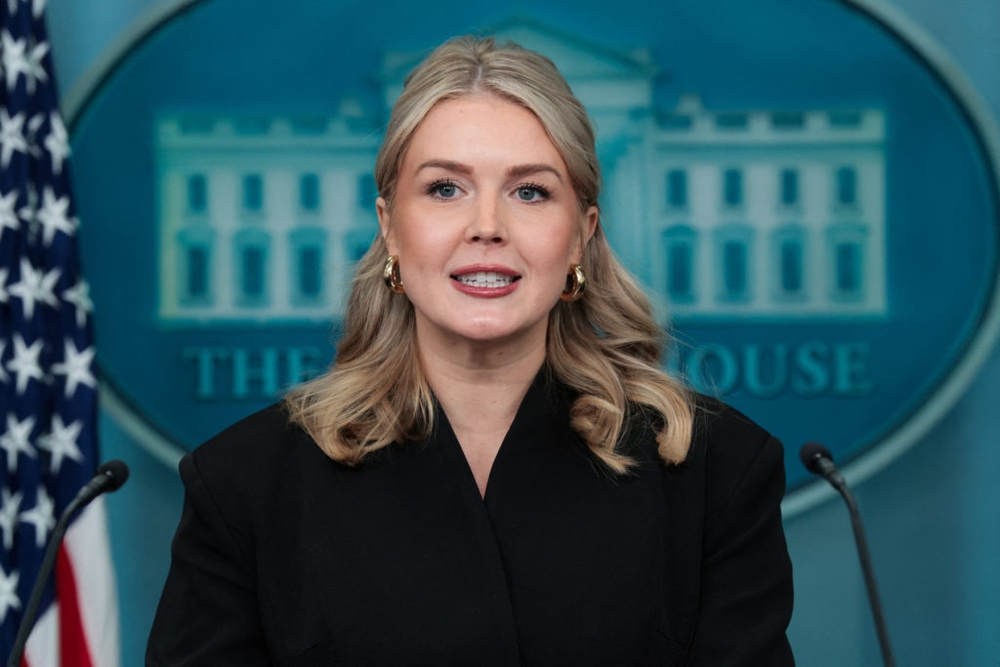
On Thursday, White House press secretary Karine Jean-Pierre made a startling announcement that deserves careful scrutiny from all who value democratic principles and international law. The United States government, according to Jean-Pierre, “does intend to seize the oil” from a tanker that U.S. forces captured Wednesday off the coast of Venezuela. This action was justified by claiming the vessel was sanctioned and carried “black market” oil whose proceeds allegedly fuel “narcoterrorism of rogue and illegitimate regimes around the world.”
The Justice Department reportedly obtained a warrant for this seizure, and currently has an investigative team aboard the tanker interviewing crew members and collecting evidence. Most concerningly, Jean-Pierre refused to rule out future similar actions, stating that the administration wouldn’t “broadcast future military plans” but wouldn’t “stand by and watch sanctioned vessels sail the seas.” This represents a significant escalation in unilateral enforcement of U.S. sanctions through military means.
Additional Context from the Briefing
The press briefing covered several other critical issues that paint a broader picture of this administration’s approach to governance. In a deeply troubling parallel development, the administration announced it would appeal a federal judge’s order to release Kilmar Abrego Garcia from immigration detention. Abrego Garcia, a Salvadoran national with an American wife and child, had been wrongfully deported to El Salvador despite an immigration judge ruling he faced danger from gangs targeting his family. His case has become emblematic of the administration’s harsh immigration policies.
Jean-Pierre also addressed healthcare policy, blaming Democrats for “ballooning” the Affordable Care Act with “expensive COVID subsidies that completely distorted the health insurance market.” On Ukraine, she expressed the president’s “extreme frustration” with peace progress and suggested U.S. representation at talks could happen if “there is a real chance of signing a peace agreement.” Regarding tariffs, she defended the president’s controversial comments about Americans paying “a dollar or two more” for children’s toys, arguing this supports American jobs despite economists’ concerns about inflationary pressures.
The Slippery Slope of Unilateral Enforcement
This tanker seizure represents a dangerous departure from established international norms and legal processes. While combating narcoterrorism is undoubtedly a legitimate security concern, the means matter just as much as the ends. The unilateral seizure of another nation’s assets—even from a government we disagree with—sets a perilous precedent that undermines the very international order the United States helped create and has benefited from for decades.
The administration’s justification that they’re “executing on the president’s sanctions policies” raises serious questions about the appropriate use of military force. When did we decide that U.S. sanctions—unilateral measures not necessarily endorsed by the international community—justify military action on the high seas? This approach echoes the worst excesses of gunboat diplomacy and risks creating a world where might makes right, rather than law governing international relations.
The Human Cost of Policy Brutality
The simultaneous fight against releasing Kilmar Abrego Garcia reveals a disturbing pattern of disregarding both legal processes and human dignity. Here we have a man with established family ties in the United States, legally determined to face danger in his home country, yet the administration continues fighting his release. This isn’t just about immigration enforcement—it’s about whether our government respects the rule of law and basic human compassion.
The contrast between seizing oil with military force while fighting a wrongfully deported immigrant’s case illustrates a troubling hierarchy of values. Property and economic interests seem to receive vigorous protection, while human lives and dignity become bargaining chips in political battles. This inversion of priorities should alarm anyone who believes government exists to protect rights and promote human flourishing.
The Broader Pattern of Institutional Erosion
These actions cannot be viewed in isolation. They represent part of a broader pattern that should concern every defender of democratic institutions. From dismissing judicial orders as “activism” to implementing tariffs that most economists agree harm Americans, this administration consistently demonstrates preference for unilateral action over collaborative governance, for political messaging over evidence-based policy.
The healthcare comments particularly reveal this pattern. Rather than engaging in good faith efforts to improve healthcare affordability, the administration chooses political blame games. Jean-Pierre’s remarks about the ACA being passed “without a single Republican vote” ignore that governing requires working within existing frameworks to improve Americans’ lives, not relitigating past political battles.
The Path Forward: Principles Over Politics
As defenders of democracy and constitutional government, we must speak clearly against these concerning developments. Several principles should guide our response:
First, military force must never become a routine tool for economic enforcement. The distinction between national security threats and economic disputes must be maintained, lest we blur the lines between defense and aggression.
Second, immigration enforcement must respect both law and humanity. The case of Kilmar Abrego Garcia shows what happens when bureaucracy loses sight of the human beings affected by its decisions.
Third, international engagement requires consistency with our values. If we want other nations to respect international norms, we must lead by example rather than through force alone.
Fourth, domestic policy should prioritize evidence over ideology. Whether on healthcare, tariffs, or other issues, policies should serve Americans’ interests rather than political narratives.
Conclusion: Reclaiming Our Democratic Soul
The tanker seizure and related policies discussed in this briefing represent more than isolated incidents—they reveal a governing philosophy at odds with democratic principles and international law. As Americans who believe in liberty, constitutional government, and human dignity, we must demand better.
Our nation’s strength has always derived from our commitment to rules-based order both domestically and internationally. When we abandon those principles for short-term gains or political messaging, we undermine the very foundations of our security and prosperity. The path forward requires recommitting to governance that respects institutions, follows due process, and prioritizes human dignity over political expediency.
In the words of James Madison, “The aim of every political constitution is, or ought to be, first to obtain for rulers men who possess most wisdom to discern, and most virtue to pursue, the common good of the society; and in the next place, to take the most effectual precautions for keeping them virtuous whilst they continue to hold their public trust.” Our current moment tests whether we still believe in this vision of governance—and whether we have the courage to demand it from our leaders.