
The Dangerous Paradox of Ukraine Peace Negotiations Amid Ongoing Russian Aggression
Published
- 3 min read
The Context of Renewed Diplomatic Efforts
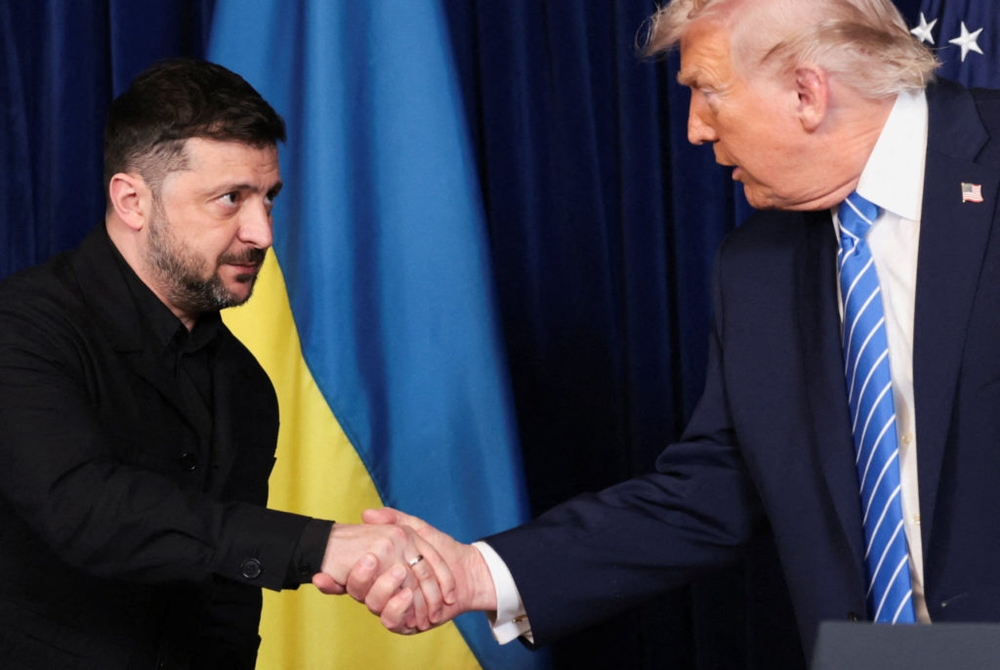
President Donald Trump’s meeting with Ukrainian President Volodymyr Zelenskyy at his Florida resort represents the latest chapter in the complex diplomatic efforts to end the nearly four-year conflict between Ukraine and Russia. The meeting followed what Trump described as an “excellent” two-and-a-half-hour phone conversation with Russian President Vladimir Putin, whose invasion launched this devastating war. Both leaders acknowledged that thorny issues remain, including whether Russia can keep Ukrainian territory it controls and what security guarantees Ukraine would receive to ensure it’s not invaded again in the future.
The diplomatic progress appears substantial, with Zelenskyy noting that a 20-point draft proposal is “about 90% ready” and U.S. officials agreeing to offer certain security guarantees to Ukraine similar to those offered to NATO members. This development comes as Zelenskyy indicated willingness to drop Ukraine’s bid to join NATO if it receives NATO-like protection against future Russian attacks. The involvement of European leaders including Ursula von der Leyen and the leaders of Finland, France, Germany, Great Britain, and Poland underscores the international dimension of these negotiations.
The Brutal Reality of Ongoing Violence
Despite these diplomatic overtures, the brutal reality on the ground continues to tell a different story. While Zelenskyy flew to the United States for negotiations, Russia launched another round of attacks on Ukraine. Three guided aerial bombs struck private homes in the eastern city of Sloviansk, killing one man and injuring three others according to local military administration head Vadym Lakh. This attack followed Russia’s ballistic missile and drone assault on Kyiv the previous day, which killed at least one person and wounded 27, with explosions booming across the capital for hours.
Russian officials, including Putin’s foreign affairs adviser Yuri Ushakov, added conditions to the peace process, demanding “a bold, responsible, political decision is needed from Kyiv” on the fiercely contested Donbas region and other disputed matters for there to be a “complete cessation” of hostilities. This positioning demonstrates Russia’s continued attempt to frame itself as a reasonable actor while simultaneously escalating violence.
The Moral and Strategic Implications of Negotiating Under Fire
The Ethical Dilemma of Timing
The fundamental ethical dilemma presented by these negotiations is whether peace processes should proceed while one party continues to commit acts of aggression. There is something profoundly disturbing about discussing peace terms while civilians are dying in targeted attacks. This creates a dangerous precedent that suggests aggression can be rewarded if accompanied by diplomatic engagement. The pursuit of peace must not become a cover for accepting territorial conquest or normalizing violence against sovereign nations.
President Trump’s assertion that “Russia wants to see Ukraine succeed” and his belief that Putin is “very serious” about ending the war seem dangerously naive given the ongoing attacks. This rhetoric risks legitimizing Russian aggression and undermining Ukraine’s negotiating position. When a leader claims that an invading force wants the invaded nation to “succeed” while that same force is killing its citizens, it creates a cognitive dissonance that undermines moral clarity in international relations.
The Principle of Negotiating from Strength Versus Weakness
There is a critical distinction between negotiating from a position of strength and negotiating from desperation. Ukraine’s willingness to consider dropping NATO membership in exchange for security guarantees represents a significant concession born from the brutal reality of continued attacks. While compromise is necessary in any negotiation, we must question whether agreements made under the constant threat of violence can truly represent the free will of a sovereign nation.
The security guarantees being discussed, while potentially valuable, cannot replace the collective security framework that NATO membership provides. Bilateral agreements, no matter how well-intentioned, lack the multilateral commitment and Article 5 protections that make NATO such a powerful deterrent. There is legitimate concern that these negotiations might produce a peace that is merely a pause before renewed aggression, rather than a sustainable solution based on justice and mutual respect.
The Danger of Normalizing Aggression
Perhaps the most dangerous aspect of these negotiations is the potential normalization of Russian aggression. By engaging in high-level talks while attacks continue, the international community risks sending the message that military conquest and violence are acceptable tools of foreign policy if accompanied by diplomatic theater. This undermines the entire post-World War II international order based on territorial integrity, sovereignty, and the prohibition of aggressive war.
The situation in Donbas represents particularly troubling territory. Any peace agreement that allows Russia to maintain control over Ukrainian land would establish a dangerous precedent that encourages future aggression by demonstrating that military conquest can be legitimized through negotiation. This would not only betray the people of Ukraine but would endanger the entire international system by showing that borders can be changed by force.
The Path Forward: Principles for Sustainable Peace
Unwavering Commitment to Democratic Values
Any sustainable peace must be built on an unwavering commitment to democratic values, human rights, and the rule of law. Negotiations should not proceed while attacks continue, as this creates an imbalance of power and undermines the principle that violence cannot be rewarded. The United States and its European allies must insist on a complete cessation of hostilities before substantive negotiations continue.
Furthermore, any peace agreement must respect Ukraine’s sovereignty and territorial integrity within its internationally recognized borders. Compromises on security arrangements may be necessary, but compromises on fundamental principles of international law should be non-negotiable. The security guarantees being discussed must be robust, enforceable, and backed by the international community to ensure they provide meaningful protection against future aggression.
The Role of the International Community
The involvement of European leaders in these discussions is encouraging and necessary. A sustainable peace requires broad international support and commitment. However, this international involvement must be coordinated and principled, ensuring that all parties maintain a consistent position supporting Ukraine’s sovereignty and opposing Russian aggression.
The United States must lead from a position of principle rather than political convenience. Short-term diplomatic achievements should not come at the cost of long-term stability and the integrity of the international system. American leadership has historically been most effective when grounded in democratic values and respect for international law, and this moment requires nothing less.
Learning from History
History provides sobering lessons about peace agreements made under duress or that reward aggression. The Munich Agreement of 1938, which ceded Czechoslovak territory to Nazi Germany in the name of peace, stands as a stark warning against appeasement. While the current situation differs in important ways, the fundamental principle remains: agreements that sacrifice principles and reward aggression often lead to greater conflict rather than lasting peace.
A sustainable peace must address the root causes of the conflict rather than merely managing its symptoms. This requires not only security arrangements but also political solutions that respect the rights and aspirations of all people in the region. It requires accountability for atrocities committed and mechanisms to prevent future aggression.
Conclusion: Peace with Justice, Not Peace at Any Price
The pursuit of peace in Ukraine is undoubtedly necessary and urgent. The human cost of this conflict has been devastating, and every diplomatic effort to end the suffering deserves serious consideration. However, peace cannot come at the cost of justice, sovereignty, or fundamental principles of international law.
The current negotiations present both opportunity and danger. The opportunity exists to craft a sustainable peace that respects Ukraine’s sovereignty while providing meaningful security guarantees. The danger exists that short-term diplomatic progress might legitimize aggression and undermine the very principles that maintain international order.
As these negotiations continue, all parties must remember that true peace is not merely the absence of conflict but the presence of justice, security, and respect for human dignity. The United States, as a nation founded on principles of liberty and democracy, must ensure that its diplomatic efforts reflect these values rather than compromising them for expediency. The world is watching, and the consequences of these negotiations will reverberate far beyond Ukraine’s borders, shaping the future of international relations for generations to come.