
The Dangerous Militarization of Domestic Politics: A Constitutional Crisis Unfolding
Published
- 3 min read
The Congressional Showdown Over National Guard Deployments
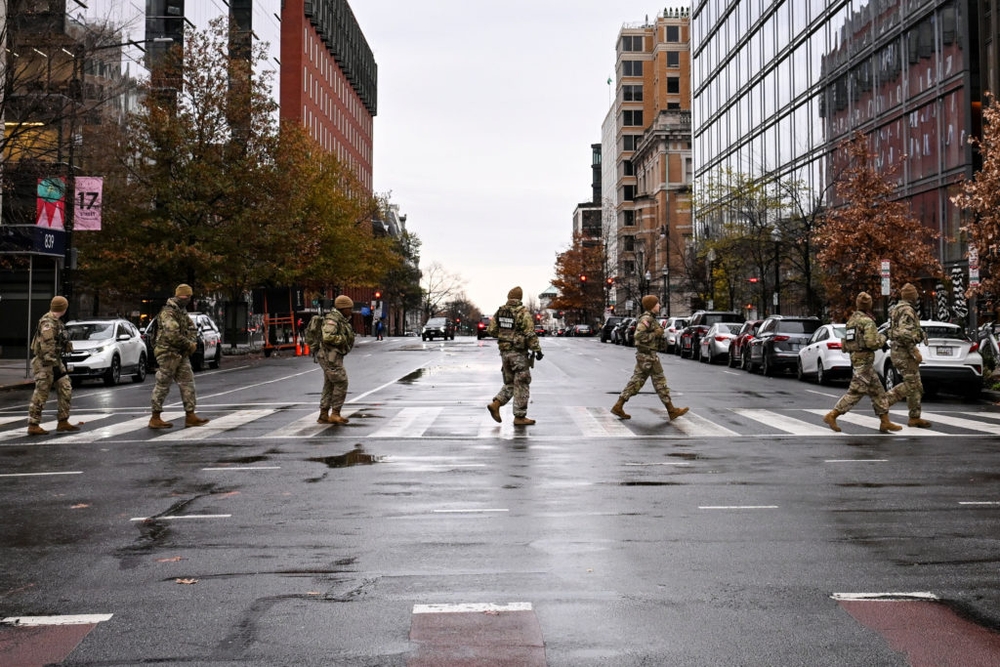
The halls of Congress echoed with constitutional concerns this week as lawmakers engaged in a heated debate over President Donald Trump’s controversial deployment of National Guard troops across American cities. The Senate Armed Services Committee hearing revealed deep partisan divisions about the proper role of military forces in domestic affairs, with Republican senators defending the deployments as necessary to combat rising crime while Democratic legislators condemned them as unprecedented abuses of presidential power.
This confrontation represents more than just political theater—it strikes at the very heart of American constitutional governance. The principle of posse comitatus, which limits federal military deployment within United States borders, has been a cornerstone of our democracy since Reconstruction. Yet here we witness the executive branch testing these boundaries in ways that should alarm every citizen who values constitutional limits on government power.
The Legal and Operational Context
According to testimony presented during the hearing, over 4,000 California National Guard troops were activated in June without Democratic Governor Gavin Newsom’s approval—marking the first time in decades that a state’s National Guard was federalized without gubernatorial request. This extraordinary move accompanied deployments to Illinois, Oregon, Louisiana, and Tennessee, though court injunctions have blocked or limited several of these operations.
Military leaders including Air Force General Gregory M. Guillot emphasized that troops receive training in community policing and are prohibited from using force except in self-defense. General Guillot noted that only one civilian detention had occurred in California since deployments began. However, these operational details cannot obscure the broader constitutional questions raised by bypassing state authorities in military deployments.
The Human Cost and Tragic Consequences
The debate took a somber turn as senators offered condolences for Specialist Sarah Beckstrom, who died following a shooting near the White House, and Staff Sergeant Andrew Wolfe, who remains hospitalized. These tragic events remind us that real human lives are affected when military forces are deployed in domestic settings. While the circumstances of their deployment differ from the controversial immigration enforcement missions, their sacrifice underscores the gravity of decisions about military deployment.
Constitutional Principles Under Siege
What we are witnessing represents nothing less than a fundamental assault on constitutional governance. The framers of our Constitution intentionally created a system of checks and balances precisely to prevent the concentration of power that we see unfolding today. The deliberate bypassing of state authorities in deploying National Guard troops establishes a dangerous precedent that future administrations—of either party—could abuse.
Senator Tammy Duckworth, herself a combat veteran and National Guard member, articulated the moral dilemma facing service members: “Trump is forcing our military men and women to make a horrible choice: uphold their loyalty to the Constitution and protect peaceful protesters, or execute questionable orders from the president.” This is not merely political rhetoric—it reflects genuine concerns about the politicization of our armed forces.
The Slippery Slope of Militarized Domestic Policy
When military forces replace civilian law enforcement for political purposes, we enter dangerous territory. The training differences between soldiers and police officers are significant, and the mindset required for community policing differs fundamentally from military operations. While General Guillot asserted that troops “can very quickly be trained to conduct any mission,” this approach risks creating situations where military personnel face circumstances for which they are inadequately prepared.
Republican arguments about transnational crime threats, while worth considering through proper legislative channels, cannot justify circumventing constitutional processes. If Congress believes current laws are insufficient to address legitimate security concerns, the appropriate response is legislative action—not executive overreach.
The Court System as Constitutional Backstop
The judicial branch has begun pushing back against these deployments, with Federal Judge Charles Breyer granting a preliminary injunction against the Los Angeles deployment. This proper exercise of judicial review demonstrates why our three-branch system remains essential for preserving liberty. However, we should not have to rely on courts to rein in executive overreach—the political branches should exercise self-restraint.
The Dangerous Rhetoric of Unlimited Executive Power
Perhaps most concerning were the exchanges about lawful orders. When Senator Mazie Hirono questioned whether a presidential order to shoot protesters would be lawful, the response from Department of Defense counsel Charles L. Young III—that it “would depend on the circumstances”—reveals how normalized discussions of extreme executive power have become. In a constitutional republic, some orders should never be contemplated, much less debated as potentially lawful.
The Path Forward: Restoring Constitutional Balance
This crisis demands a return to first principles. The National Guard’s proper role involves responding to natural disasters and genuine emergencies—not serving as immigration enforcement personnel. Congress must reassert its constitutional authority by passing clear legislation defining the circumstances under which federal military forces may operate domestically.
Furthermore, we need a national conversation about respecting the constitutional authority of state governments. Federalism exists not as an inconvenience to be circumvented but as a vital protection against centralized tyranny. When presidents can deploy military forces over the objections of governors, we have fundamentally altered the balance of power between state and federal government.
Conclusion: Democracy Demands Vigilance
The Founders understood that liberty requires eternal vigilance. What we witnessed in this Senate hearing represents exactly the kind of constitutional erosion they feared. Regardless of one’s political views about immigration or crime, all Americans should unite in defending constitutional principles against executive overreach.
Our military exists to protect democracy, not to become tools of political agendas. The brave men and women of the National Guard deserve clear constitutional boundaries for their domestic deployments. More importantly, American citizens deserve a government that respects the limits placed upon it by our founding document. This moment requires all who value freedom to speak clearly in defense of constitutional governance before precedents become permanent features of our political landscape.