
The Dangerous Escalation: China's Sanctions Against U.S. Defense Companies and the Taiwan Question
Published
- 3 min read
The Facts: Understanding the Sanctions and Their Context
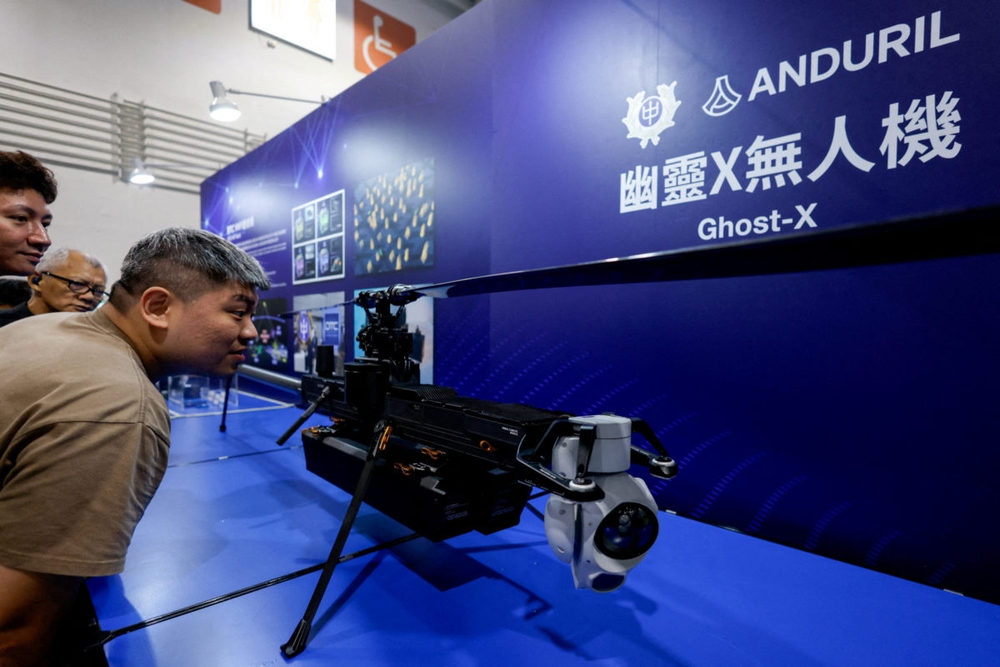
On Friday, Beijing imposed significant sanctions against 20 U.S. defense-related companies and 10 executives, marking a dramatic escalation in U.S.-China tensions. This retaliatory action comes precisely one week after Washington announced a substantial arms sale package to Taiwan valued at over $10 billion. The sanctions involve freezing these companies’ assets within China and prohibiting all Chinese individuals and organizations from conducting business with them. Among the affected entities are major defense contractors including Northrop Grumman Systems Corporation, L3Harris Maritime Services, and Boeing’s St. Louis operations. Notably, Palmer Luckey, founder of defense firm Anduril Industries, finds himself among the sanctioned executives who now face business bans in China, asset freezes, and entry restrictions.
This confrontation unfolds against the backdrop of China’s longstanding claim that Taiwan represents “the very core of China’s core interests” and constitutes “the first red line that must not be crossed in China-U.S. relations.” The Chinese foreign ministry issued a stark warning that “any company or individual who engages in arms sales to Taiwan will pay the price for their wrongdoing,” characterizing U.S. military support for Taiwan as “dangerous moves” that violate diplomatic agreements between the two powers.
The Geopolitical Context: Taiwan as a Flashpoint
Taiwan has emerged as the primary flashpoint in U.S.-China relations, with analysts increasingly concerned about the potential for military conflict between these global powers. The situation has grown progressively more tense as China’s military has significantly increased its presence in Taiwan’s airspace and surrounding waters over recent years. Near-daily joint drills involving Chinese warships and fighter jets routinely occur in close proximity to the island, creating a persistent atmosphere of intimidation and coercion.
Meanwhile, U.S. policy toward Taiwan operates under specific legal frameworks that obligate American assistance with Taiwan’s self-defense capabilities. This commitment has become increasingly contentious as China’s military modernization and aggressive posturing have accelerated. The current tensions compound existing strains in U.S.-China relations spanning trade disputes, technology competition, and human rights concerns, creating a multifaceted confrontation between the world’s two largest economies.
The Principle of Self-Determination Under Threat
As a firm believer in democratic principles and fundamental human rights, I view China’s actions as deeply troubling and fundamentally antithetical to the values of freedom and self-determination. The Taiwanese people have repeatedly demonstrated their commitment to democratic governance through free and fair elections, vibrant civil society, and robust protections for individual liberties. China’s attempts to dictate Taiwan’s future through coercive measures represent a direct assault on these democratic achievements.
The United States’ commitment to supporting Taiwan’s self-defense capabilities represents more than mere geopolitical maneuvering—it embodies our nation’s foundational commitment to supporting democratic movements worldwide. When authoritarian regimes threaten peaceful democracies, America has both a moral obligation and strategic interest in standing with those who champion freedom. The principle that governments derive their just powers from the consent of the governed lies at the heart of American political philosophy, and we must consistently apply this standard in our foreign policy.
The Dangerous Precedent of Economic Coercion
China’s use of economic sanctions against American companies and individuals sets a dangerous precedent in international relations. By targeting private entities engaged in lawful commerce, Beijing seeks to punish companies for complying with U.S. laws and supporting democratic values. This economic coercion represents a form of extraterritorial enforcement that undermines the sovereignty of democratic nations and the rule of law.
The freezing of assets and banning of business activities constitutes an alarming escalation in economic warfare tactics. While nations have legitimate rights to protect their security interests, targeting private companies for implementing their own government’s policies crosses a red line in international norms. This approach creates chilling effects on global commerce and could potentially deter companies from engaging in lawful defense cooperation with democratic allies.
The Moral Imperative of Supporting Democracy
America’s relationship with Taiwan transcends mere strategic calculations—it represents a fundamental commitment to supporting democratic governance against authoritarian aggression. The Taiwanese people have built one of Asia’s most vibrant democracies, with strong protections for civil liberties, freedom of expression, and political participation. Abandoning Taiwan to Beijing’s coercive tactics would not only betray our democratic values but would embolden authoritarian regimes worldwide.
The $10 billion arms package, while substantial, represents a necessary investment in regional stability and democratic resilience. By enhancing Taiwan’s self-defense capabilities, the United States helps maintain the balance of power that has preserved peace in the Taiwan Strait for decades. This support enables Taiwan to deter aggression without provoking conflict, creating conditions for peaceful resolution of differences through dialogue rather than coercion.
The Constitutional Dimension of Foreign Policy
Our approach to the Taiwan question must align with both our strategic interests and our constitutional principles. The United States has maintained a consistent policy toward Taiwan for decades, balancing our commitment to Taiwan’s security with careful management of relations with China. This balanced approach has served American interests while upholding our values, and we must resist pressure to abandon either component.
The current administration’s decision to proceed with arms sales reflects this careful balancing act—supporting Taiwan’s defense needs while emphasizing our preference for peaceful resolution of cross-strait differences. This measured approach deserves support from all who value both regional stability and democratic principles. However, we must remain vigilant against any attempts to use economic coercion to undermine legitimate security cooperation between democratic nations.
Conclusion: Standing Firm on Principle
The escalating tensions surrounding Taiwan represent a critical test of American resolve and commitment to democratic values. While we should pursue dialogue and diplomacy with China where possible, we must never compromise on fundamental principles of freedom and self-determination. The sanctions against U.S. companies represent an unacceptable attempt to intimidate America into abandoning our democratic allies.
As Americans who cherish our own hard-won liberties, we have both a moral obligation and strategic interest in supporting Taiwan’s right to determine its own future free from coercion. The path forward requires firmness in defending democratic principles combined with wisdom in managing great power competition. By standing with Taiwan while keeping channels of communication open with Beijing, we can uphold our values while working to prevent the catastrophic conflict that would serve no one’s interests.
The current crisis underscores the enduring importance of American leadership in defending democracy worldwide. As we navigate these challenging geopolitical waters, we must remember that our strength lies not merely in military or economic power, but in our unwavering commitment to the proposition that all people deserve to live in freedom.