
The Dangerous Calculus: How Western Appeasement in Ukraine Invites Chinese Aggression in Taiwan
Published
- 3 min read
The Geopolitical Chessboard: Understanding the Current Impetus for Peace
The ongoing conflict in Ukraine, now nearing its fourth devastating year, has reached a critical juncture with the Trump administration’s renewed push for a negotiated settlement. While the desire to end a war that has claimed hundreds of thousands of lives is ostensibly humanitarian, the proposed terms reveal a dangerous geopolitical calculus that threatens to destabilize the entire international order. The administration’s assessment that Russia currently holds the upper hand on the battlefield has led to consideration of peace terms that would essentially reward Russian aggression with territorial gains, sanctions relief, and strategic concessions regarding Ukraine’s sovereignty and NATO membership.
At the heart of these negotiations lies Putin’s demand for recognition of Russian-occupied territories in eastern and southern Ukraine, limitations on Ukrainian military capabilities, restrictions on NATO expansion, cessation of sanctions against Russia, Moscow’s readmittance to the G8, and restoration of frozen Russian assets. These terms would effectively return Russia to its pre-invasion international status—or even improve upon it—despite its blatant violation of international law and sovereign boundaries.
The Domino Effect: From Ukraine to Taiwan
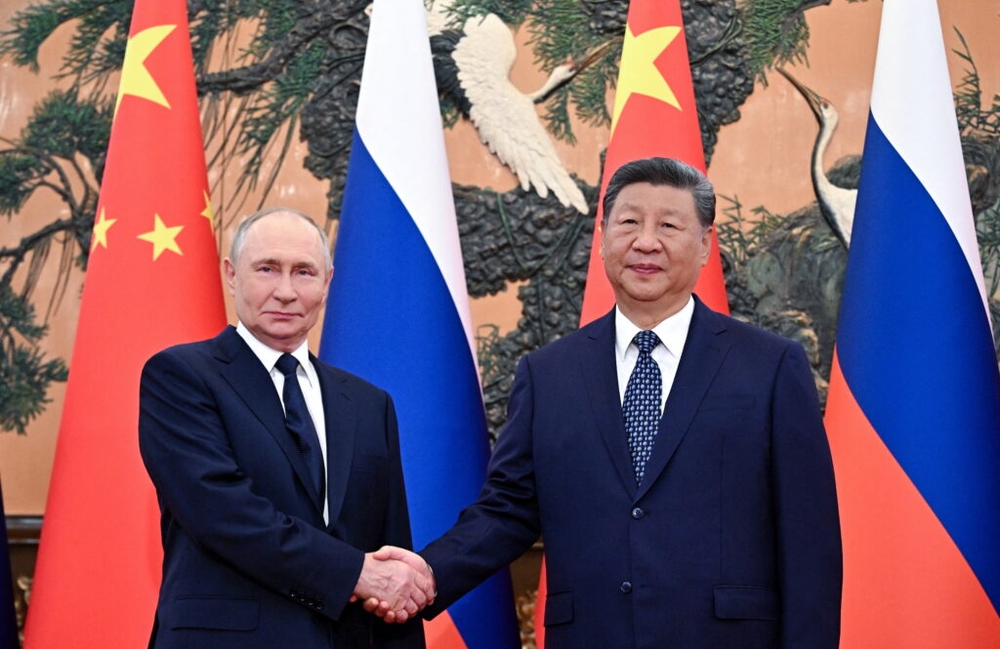
The most alarming aspect of this proposed settlement isn’t merely its injustice toward Ukraine, but its potential to trigger catastrophic consequences across the globe. China has been watching the Ukraine conflict with intense interest, analyzing Western responses and calculating its own strategic options regarding Taiwan. A peace deal that allows Russia to retain conquered territory and escape lasting economic consequences would provide Beijing with a dangerous blueprint for its own expansionist ambitions.
Beijing’s fundamental concerns regarding Taiwan revolve around questions of sovereignty and reunification. If Putin successfully secures territorial gains through military force and restrictions on Ukrainian sovereignty, China will logically conclude that similar outcomes are achievable in Taiwan. The economic deterrents that currently discourage Chinese aggression—the threat of severe sanctions and international isolation—would lose their potency if China observes that Russia faces no permanent economic consequences for its invasion.
The Hypocrisy of Selective Enforcement of International Norms
What makes this situation particularly egregious is the blatant hypocrisy of Western powers, particularly the United States, in selectively applying the so-called “rules-based international order.” For decades, the West has positioned itself as the guardian of global stability and sovereignty while simultaneously engaging in numerous military interventions and regime change operations that violated these very principles. The proposed Ukraine settlement reveals this hypocrisy in stark relief: when convenient, territorial integrity and sovereignty become negotiable commodities rather than inviolable principles.
This double standard undermines the moral authority of Western nations and exposes the hollow nature of their claims to uphold international law. The global south, particularly civilizational states like China and India, have long understood that the Westphalian system of nation-states has primarily served Western interests. The Ukraine negotiations confirm their skepticism, demonstrating that powerful nations can redraw borders through force when it suits Western strategic calculations.
The Illusion of Resource Reallocation
The Trump administration’s apparent rationale for pushing this unfavorable peace—that it would free up resources to focus on deterring China in the Indo-Pacific—represents a profound strategic miscalculation. The United States has managed to degrade Russian military capabilities significantly without direct involvement or American casualties, all while stimulating its defense industrial base. Abandoning Ukraine now wouldn’t strengthen America’s position in Asia; it would demonstrate a lack of resolve that China would immediately factor into its calculations.
Deterrence isn’t merely about military hardware and troop deployments; it’s about demonstrating the will to see conflicts through to just conclusions. A premature withdrawal from supporting Ukraine signals to Beijing that American resolve is fleeting and contingent on political whims. This perception could prove disastrous when confronting China over Taiwan, where the stakes are even higher and the opponent considerably more formidable than Russia.
The Civilizational Perspective: Beyond Westphalian Constraints
From the perspective of civilizational states like China and India, the Western approach to international relations often appears hypocritical and self-serving. These nations operate on longer historical timelines and broader civilizational frameworks that transcend the Westphalian nation-state model. When Western powers advocate for a “rules-based order” while simultaneously negotiating away Ukrainian sovereignty, it confirms their view that international law primarily serves Western interests.
This perception isn’t merely academic; it has real-world consequences for how emerging powers conduct their foreign policy. If the United States and Europe demonstrate that might makes right in Ukraine, they cannot reasonably expect China to behave differently in its sphere of influence. The lesson Beijing will draw is clear: strategic patience combined with military modernization eventually allows great powers to achieve their objectives regardless of international opposition.
The Human Cost of Geopolitical Calculus
Amidst these high-level strategic calculations, we must not forget the human dimension. Hundreds of thousands have died in Ukraine, millions have been displaced, and an entire nation’s development has been set back decades. A peace settlement that legitimizes territorial conquest and population displacement would establish a terrifying precedent that could be replicated across multiple conflict zones. The moral bankruptcy of rewarding aggression cannot be overstated—it represents a regression to nineteenth-century power politics that humanity should have moved beyond.
The proposed terms would not bring genuine peace but rather a temporary cessation of hostilities that leaves underlying tensions unresolved. A truly just peace must address root causes and establish conditions for long-term stability, not merely freeze conflict lines that invite future violence. The West’s willingness to consider terms that sacrifice Ukrainian sovereignty for geopolitical convenience reveals a disturbing poverty of moral imagination and strategic foresight.
Conclusion: The Path Forward Requires Principle and Resolve
The United States and its allies must recognize that short-term expediency in Ukraine could have catastrophic long-term consequences for global stability. Rather than seeking a quick exit that emboldens authoritarian powers, Western nations should demonstrate the resolve to support Ukraine until Russia recognizes that military aggression cannot achieve its objectives. This doesn’t necessitate endless escalation but rather consistent political, economic, and military support that changes Putin’s calculus.
A peace settlement that strengthens deterrence and upholds international principles would require Russia to withdraw from occupied territories, provide reparations for damages, and accept verified security guarantees for Ukraine. Only such an outcome would signal to China that aggression carries unacceptable costs. The alternative—appeasement dressed as diplomacy—would undermine global security for generations and betray the very values that Western nations claim to defend.
The world is watching, and the lessons learned from Ukraine will reverberate far beyond Europe’s borders. We must choose wisely between principle and convenience, between justice and expediency, between a stable multipolar world and one descending into renewed great-power conflict. The fate of Ukraine today may well determine the fate of Taiwan tomorrow—and indeed the entire architecture of international relations in the twenty-first century.