
The Chilling Disconnect: Political Rhetoric Versus Human Tragedy in the Nation's Capital
Published
- 3 min read
The Stark Reality of Washington D.C.’s Violence Crisis
In the heart of American democracy, a disturbing narrative collision is unfolding between political pronouncements and painful human realities. The recent assertion by President Trump that there are “no more murders” in Washington, D.C. stands in stark contrast to the lived experiences of District residents who continue to suffer from gun violence and tragic loss. This claim emerges against the backdrop of a city that has witnessed numerous homicides, including the heartbreaking case of 17-year-old Tristan Johnson, who was gunned down in November merely for his jacket.
The factual context cannot be ignored: Washington, D.C. has experienced persistent violent crime, with families grieving losses even as political leaders make sweeping declarations about public safety. The deployment of National Guard troops to patrol the streets, intended as part of a crime crackdown initiative, ironically provided the setting for Tristan’s tragic death just blocks from their staging area at the D.C. Armory. This juxtaposition of military presence and ongoing violence creates a poignant symbol of the complex challenges facing urban communities across America.
The Human Toll Behind the Statistics
Tristan Johnson’s story represents more than just another crime statistic—it embodies the human cost of violence that political rhetoric often obscures. The 17-year-old was walking from his grandmother’s home to rent a scooter when he was brutally killed, with police suggesting his favorite black puffer jacket may have been the motive for this senseless violence. His mother, along with countless other families in the District, now faces the unimaginable pain of burying a child, a reality that stands in direct contradiction to claims of eliminated murder.
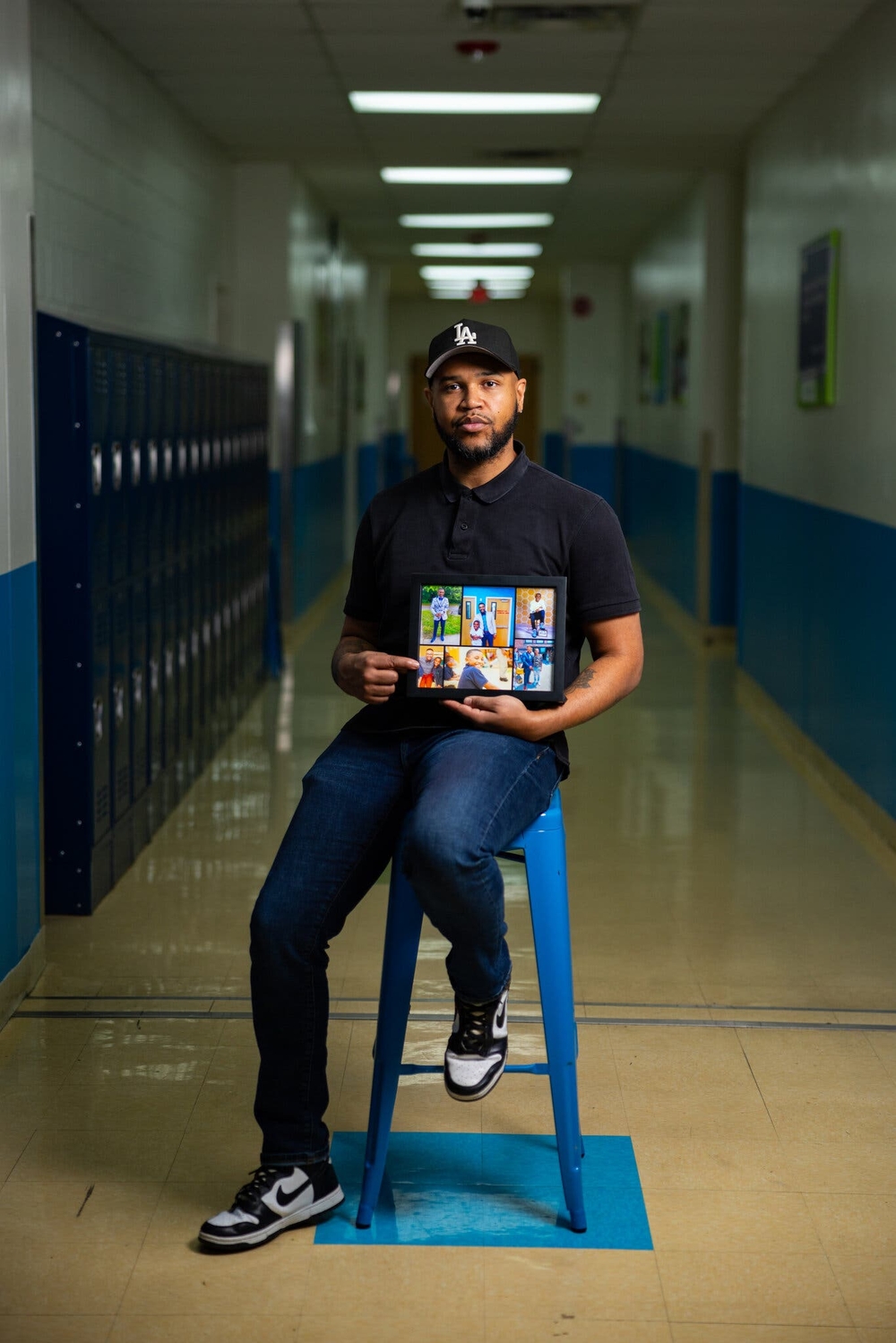
Jamia Vaden, whose sister was also gunned down in November, captured the collective anguish of these families when she responded to the presidential assertion with the heartbreaking words: “I wish that was true.” This simple statement carries the weight of profound grief and represents the voices that are too often drowned out by political posturing. Davian Morgan, holding photos of his godson Tristan, embodies the personal connections and community bonds that are shattered by each act of violence.
The Dangerous Erosion of Truth and Accountability
When political leaders make demonstrably false claims about public safety, they undermine the very foundation of democratic governance. The assertion that there are “no more murders” in a city where families are actively mourning homicide victims represents more than just factual inaccuracy—it signifies a dangerous disregard for truth that corrodes public trust and impedes effective policymaking. This pattern of reality denial prevents honest conversations about the complex causes of urban violence and the comprehensive solutions required to address them.
The deployment of National Guard troops as a response to crime raises serious questions about the appropriate role of military forces in domestic law enforcement and whether such measures address the root causes of violence. The tragic irony of Tristan Johnson being killed within proximity of these deployed troops suggests that show-of-force approaches may create a false sense of security while failing to combat the underlying conditions that lead to violent crime.
The Constitutional and Democratic Implications
Fundamental to American democracy is the principle that government derives its legitimacy from consent of the governed, which requires honest communication about the challenges facing our communities. When leaders disseminate false information about public safety, they violate this sacred trust and jeopardize the social contract that binds citizens to their government. The First Amendment’s protection of free speech carries an implicit responsibility for truthfulness, particularly from those in positions of ultimate public trust.
The Bill of Rights guarantees citizens the right to security and protection, which necessitates honest assessment of threats and vulnerabilities. By denying the reality of ongoing violence, leaders potentially divert resources from where they are most needed and prevent the implementation of evidence-based solutions that could save lives. This approach represents a failure of constitutional duty to provide for public safety through truthful and effective governance.
The Moral Imperative of Truthful Leadership
Beyond legal and constitutional considerations, there exists a profound moral obligation for leaders to acknowledge human suffering and respond with compassion and honesty. The families of murder victims deserve leadership that respects their pain enough to tell the truth about the violence that claimed their loved ones. Dismissing their reality through false declarations adds insult to injury and demonstrates a callous disregard for human dignity.
Effective democracy requires courageous leadership willing to confront difficult truths rather than逃避 them through comfortable falsehoods. The complex issues of urban violence, economic inequality, systemic disadvantage, and access to firearms demand honest dialogue and evidence-based solutions. Simplistic claims that ignore complex realities serve only to postpone meaningful action and prolong the suffering of vulnerable communities.
Toward a More Honest and Effective Approach
Addressing urban violence requires multifaceted strategies that combine law enforcement with community investment, mental health services, educational opportunities, and economic development. False claims of solved problems prevent the implementation of these comprehensive approaches and leave communities vulnerable to continued violence. Leadership must begin with truth-telling and proceed through collaborative problem-solving that engages affected communities as partners rather than subjects of political messaging.
The memory of Tristan Johnson and all victims of violence demands more than rhetorical solutions. It requires honest acknowledgment of the challenges we face and committed action to address them through policies that respect human dignity, prioritize community safety, and uphold democratic values. Only through truth can we honor those we’ve lost and protect those who remain vulnerable.
Conclusion: Reclaiming Truth as a Democratic Value
The disconnect between political rhetoric and lived reality in Washington, D.C. represents a microcosm of broader challenges facing American democracy. When truth becomes negotiable and human suffering becomes invisible to those in power, the very foundations of our system are undermined. The stories of Tristan Johnson, Jamia Vaden’s sister, and countless other victims remind us that behind every statistic lies human tragedy that demands honest acknowledgment and meaningful action.
As defenders of democratic principles, we must insist on truthfulness from our leaders, compassion for those who suffer, and commitment to evidence-based solutions that address complex social problems. The alternative—accepting false narratives that obscure human pain—represents a betrayal of our values and a failure of our collective responsibility to create a society where all citizens can live in safety and dignity. The path forward begins with truth and must continue through courageous action that honors the memory of those we’ve lost to violence.