
The Caribbean Strike: When Military Power Overrides Human Decency
Published
- 3 min read
The Facts of the September 2nd Incident
On September 2nd, 2020, the United States military conducted a series of strikes in the Caribbean against an alleged drug smuggling vessel near Venezuela. According to congressional testimony and reports, the initial strike disabled the boat, leaving two survivors clinging to the wreckage. Subsequently, follow-up missile strikes were ordered that resulted in the deaths of these two individuals. The operation was part of President Trump’s expanded campaign to use military force against suspected drug traffickers, which has resulted in approximately 80 deaths across 20 strikes to date.
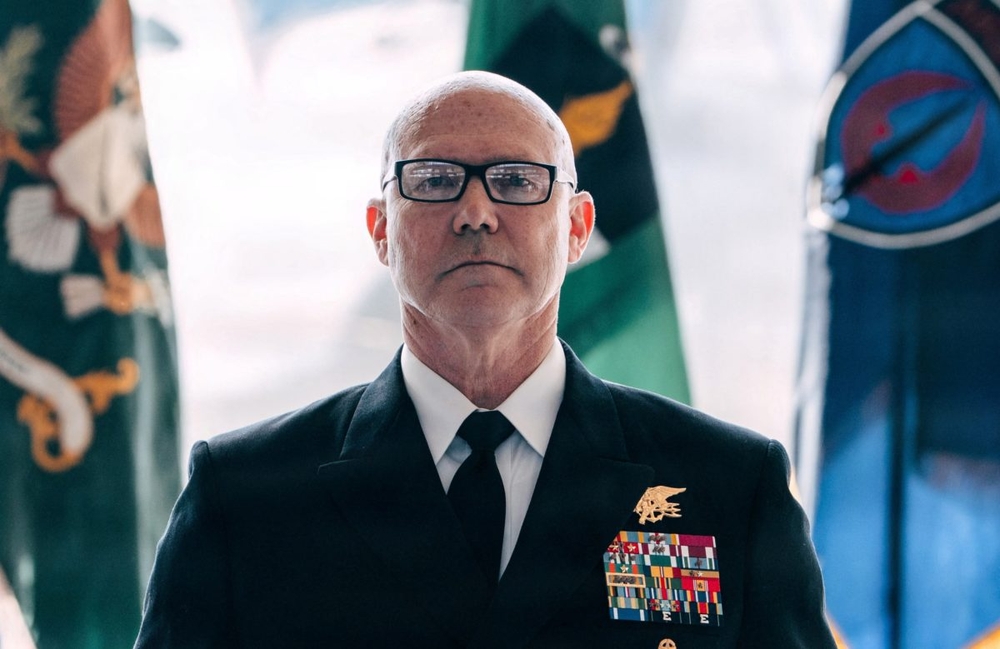
Navy Admiral Frank “Mitch” Bradley, then commander of Joint Special Operations Command and recently promoted to head U.S. Special Operations Command, testified before Congress in closed-door classified briefings. He vehemently denied issuing or receiving any “kill them all” order from Defense Secretary Pete Hegseth. However, lawmakers who viewed classified footage of the incident described a deeply disturbing scene that contradicted this account.
The Congressional Response and Divided Reactions
The congressional investigation revealed starkly different interpretations of events among lawmakers. Republican Senator Tom Cotton, who chairs the Senate Intelligence Committee, defended the operation, stating that the survivors were “trying to flip a boat loaded with drugs bound for United States back over so they could stay in the fight.” He described the interval between strikes as “several minutes” and found it “gratifying” that the military was taking the battle to cartels.
In contrast, Democratic lawmakers expressed profound concern. Representative Adam Smith, the top Democrat on the House Armed Services Committee, described the victims as “two shirtless people clinging to the bow of a capsized and inoperable boat, drifting in the water” who were subsequently killed by U.S. missiles. Representative Jim Himes of the House Intelligence Committee called it “one of the most troubling things I’ve seen in my time in public service.”
The Legal and Constitutional Context
This incident occurs within a broader controversial policy framework. The Trump administration has been using war powers against suspected drug smugglers without specific congressional authorization. The Republican-controlled Congress has repeatedly turned back attempts to constrain this authority. A White House Office of Legal Counsel memo providing rationale for these strikes was dated September 5th—three days after the incident in question—and remains classified despite Democratic demands for transparency.
International law experts have raised serious concerns about potential violations of the laws of armed conflict, particularly regarding the principle of distinction and prohibitions against attacking combatants who are hors de combat (out of combat). The administration’s justification rests on characterizing drug cartels as armed combatants because their cargo “poses a threat to American lives,” an expansive interpretation that troubles legal scholars and humanitarian organizations.
A Moral Catastrophe and Constitutional Crisis
What we witnessed in the Caribbean represents nothing less than a moral catastrophe wrapped in a constitutional crisis. The very idea that American military power would be used to execute survivors clinging to wreckage—regardless of their suspected crimes—should horrify every citizen who believes in both justice and basic humanity. This incident demonstrates how easily power can corrupt even the most disciplined institutions when oversight fails and accountability evaporates.
The conflicting accounts between military leadership and elected representatives who viewed the evidence suggest either deliberate obfuscation or catastrophic failure of communication within the chain of command. Either possibility deserves the most rigorous investigation and appropriate consequences. Admiral Bradley’s recent promotion despite this ongoing investigation raises additional concerns about whether accountability is being prioritized within the Defense Department.
The Erosion of Military Ethics and International Standards
America’s military leadership has historically prided itself on maintaining higher ethical standards than our adversaries. We have criticized other nations for extrajudicial killings and violations of international law. This incident dangerously undermines that moral authority. When we abandon the rules of engagement that protect human dignity—even when dealing with suspected criminals—we become indistinguishable from the forces we claim to oppose.
The laws of armed conflict exist precisely to prevent this kind of brutality. They ensure that military force remains proportional, distinction between combatants and non-combatants is maintained, and those who are hors de combat are protected. These principles aren’t bureaucratic red tape—they’re the bedrock of civilized warfare that separates legitimate military action from mere slaughter.
Congressional Complicity and Failed Oversight
The Republican-controlled Congress shares significant responsibility for this tragedy. By repeatedly refusing to constrain the administration’s expansive interpretation of military authority and failing to demand transparency, they enabled the conditions that made this incident possible. Oversight isn’t a partisan game—it’s a constitutional duty essential to preventing abuse of power.
The fact that basic information about these operations—including the legal rationale and complete video evidence—continues to be withheld from Congress represents a dangerous breach of constitutional governance. The executive branch does not have unlimited authority to conduct military operations without congressional oversight or approval. The War Powers Resolution and Constitution itself clearly establish that military authority must be shared between branches.
The Human Cost of Expanded Drug War Militarization
Beyond the immediate tragedy of these two deaths lies a broader concerning trend: the increasing militarization of drug enforcement. While drug trafficking presents serious challenges, addressing it primarily through military force creates numerous problems. It blurs lines between law enforcement and military operations, potentially granting suspects fewer legal protections. It risks escalating conflicts with foreign nations, particularly Venezuela, whose president Nicolás Maduro views these operations as regime change efforts.
Furthermore, the historical evidence suggests that militarized approaches to drug enforcement often create more problems than they solve, fueling violence and corruption while doing little to reduce drug availability. The collateral damage—both human and diplomatic—may far outweigh any temporary disruptions to trafficking routes.
The Path Forward: Accountability and Reform
This incident demands immediate and thorough investigation by independent authorities, not just closed-door congressional briefings. The full video evidence and all relevant documents must be released to appropriate oversight committees. Those responsible for any violations of law or policy must face appropriate consequences, regardless of rank or position.
Congress must reassert its constitutional authority by specifically authorizing or limiting these military operations rather than allowing unfettered executive discretion. Clear rules of engagement that respect international law and human dignity must be established and enforced. The administration’s broad justification for using lethal force against suspected drug traffickers requires urgent review and likely revision.
Finally, we must engage in a national conversation about the appropriate role of military force in drug enforcement. The ease with which we’ve expanded military authority in this domain—with minimal public debate or congressional approval—should concern all Americans who value both security and liberty.
Conclusion: Reclaiming Our Moral Compass
The death of these two individuals—whatever their suspected crimes—represents a failure not just of policy but of principle. America must be better than this. We must demonstrate that our fight against drugs and crime doesn’t require abandoning our values or international obligations. The strength of our democracy lies not in unrestrained power but in constrained power—power limited by law, oversight, and respect for human dignity.
As citizens and as a nation, we face a choice: Will we allow fear and expediency to erode the principles that make America exceptional, or will we insist that even our most difficult battles be fought within the boundaries of law and basic humanity? The answer will define not just our counter-narcotics efforts but our character as a nation.