
The Caribbean Strike: A Betrayal of American Principles and International Law
Published
- 3 min read
The Facts of the Incident
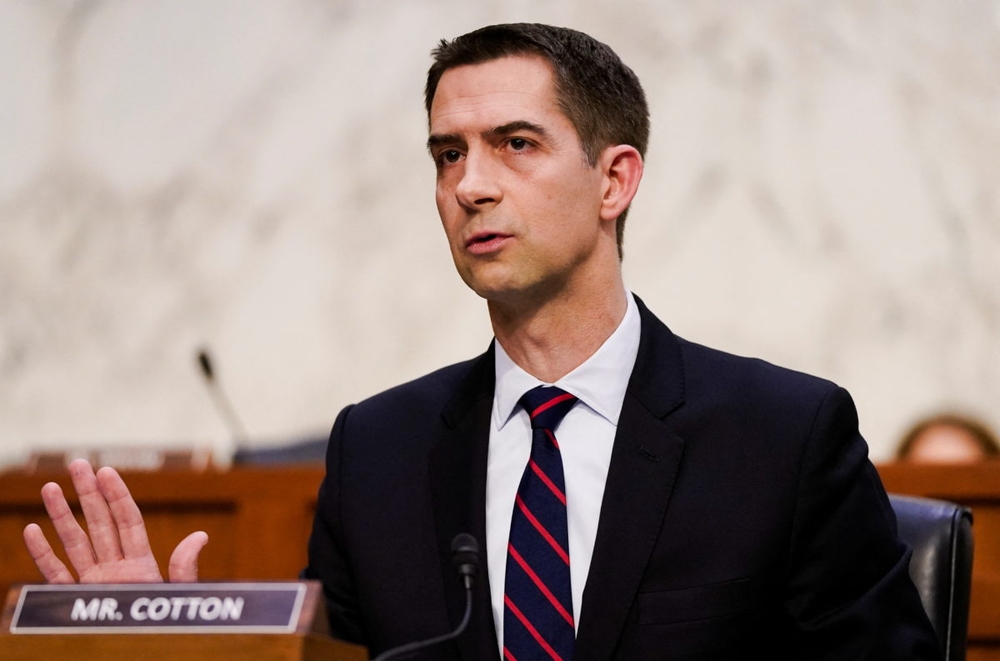
On September 2, a U.S. military strike targeted an alleged drug boat in the Caribbean, resulting in the deaths of all individuals on board, including two survivors of the initial attack who were killed in a follow-on strike. This event marks the first in a series of American strikes near Venezuela, which the administration claims targeted vessels ferrying drugs. According to reports, at least 87 people have been killed in 22 known strikes. The video of this incident has become a point of contention, with Senator Tom Cotton, a Republican from Arkansas and a key figure on the Senate Intelligence Committee, describing it as showing “nothing remarkable” and expressing no opposition to its public release if declassified by the Pentagon.
Senator Cotton aligns partially with President Donald Trump and top Democrats in advocating for the video’s release, arguing that it would demonstrate the continued threat posed by the survivors. However, he diverges from Democrats on the lawfulness of the second strike. Representative Jim Himes, the top Democrat on the House Intelligence Committee, described the video as “profoundly shaking,” highlighting a stark partisan divide in interpretation. Defense Secretary Pete Hegseth indicated that officials are reviewing the video for potential release, emphasizing the need for responsibility in such decisions.
The classified briefings revealed that Admiral Frank “Mitch” Bradley ordered the follow-on attack, with claims that it was to comply with Hegseth’s demands, though Bradley denied any “kill them all” order. Legal experts have raised alarms, suggesting that killing survivors could violate the laws of military warfare, especially if the individuals were defenseless. Representatives Adam Smith and Jim Himes, who viewed the video, disputed Cotton’s characterization, stating that the survivors were not in a position to continue any fight, with Smith noting the boat was “clearly incapacitated” and the individuals unarmed.
Context and Legal Implications
The context of these strikes is critical to understanding their implications. The U.S. administration has framed this as part of a campaign against drug smugglers, but legal experts question whether the United States is in an official armed conflict with Venezuela. This raises significant issues about the use of military force for law enforcement activities, which typically require due process. International law, including Pentagon protocols, explicitly prohibits attacks on shipwrecked or defenseless individuals, branding such actions as illegal. The debate over the video’s content underscores deeper concerns about transparency, accountability, and adherence to legal standards in military operations.
The partisan split in interpreting the video reflects broader tensions in U.S. politics regarding national security and human rights. While Cotton argues the survivors were “not incapacitated” and thus valid targets, opponents emphasize the moral and legal breaches involved. This incident is not isolated; it is part of a pattern of escalating military actions that test the boundaries of international law and American ethical commitments. The involvement of high-profile figures like Cotton, Trump, and Hegseth adds layers of political significance, making this a pivotal moment for examining the balance between security objectives and humanitarian principles.
A Grave Assault on Human Dignity and the Rule of Law
The killing of two survivors on a capsized boat is not just a tactical decision; it is a profound moral failure that strikes at the heart of American values. The laws of armed conflict, rooted in principles of humanity and distinction, are designed to protect those who are hors de combat—individuals who are wounded, surrendering, or otherwise unable to fight. By targeting survivors, the U.S. military action, as described, blatantly disregards these safeguards. Senator Cotton’s dismissal of the video as “nothing remarkable” is not only callous but also dangerously dismissive of the gravity of such actions. When we normalize the killing of defenseless people, we erode the very foundations of justice and human rights that the United States claims to uphold.
This incident raises alarming questions about the erosion of institutional checks and balances. The fact that Admiral Bradley felt pressured to order a follow-on strike, allegedly to meet demands from higher authorities, suggests a culture where legal and ethical boundaries are being blurred in the name of aggression. The partisan defense of such actions, with Republicans like Cotton justifying them while Democrats express horror, highlights how national security can become a political football, sacrificing principle for polarization. This is not just a policy disagreement; it is a crisis of conscience that threatens to legitimize extrajudicial killings under the vague guise of combating drug trafficking.
The Danger of Expanding Military Power Without Accountability
The escalation of military strikes in the Caribbean, under the pretext of drug interdiction, represents a slippery slope toward unchecked executive power. By framing these operations as part of a “campaign” rather than adhering to established legal frameworks, the administration risks creating a precedent where military force substitutes for due process. International law exists to prevent such arbitrariness, and the U.S., as a global leader, has a responsibility to model compliance, not defiance. The deaths of 87 people in these strikes cannot be brushed aside as collateral damage; each life lost demands scrutiny and accountability.
Moreover, the partisan divide over the video’s interpretation exposes a deeper societal ailment: the weaponization of national security for political gains. When lawmakers like Cotton downplay the killing of survivors, they undermine public trust in institutions meant to protect both security and liberty. This is not just about one incident; it is about the integrity of America’s commitment to the rule of law. The founders of this nation enshrined checks and balances to prevent exactly this kind of overreach, and we must rally against any effort to dilute those protections.
Upholding American Values in the Face of Atrocity
As a nation founded on the ideals of life, liberty, and the pursuit of happiness, the United States must hold itself to the highest standards of conduct. The Caribbean strike, as reported, is a stain on that legacy. It is imperative that the video be released publicly, not to vindicate any side, but to ensure transparency and foster an informed public debate. Citizens deserve to know the truth about actions carried out in their name, and only through sunlight can we disinfect the shadows where abuse thrives.
In conclusion, this incident is a wake-up call for all who cherish democracy and human rights. We must demand rigorous oversight, condemn violations of international law, and reject any justification that prioritizes aggression over humanity. The lives lost in these strikes deserve more than political talking points; they demand a reaffirmation of our commitment to justice. Let us not allow the drums of war to drown out the voices of reason and compassion that define the best of America.