
The California Wealth Tax: A Dangerous Assault on Economic Freedom and Innovation
Published
- 3 min read
The Proposed Legislation and Immediate Backlash
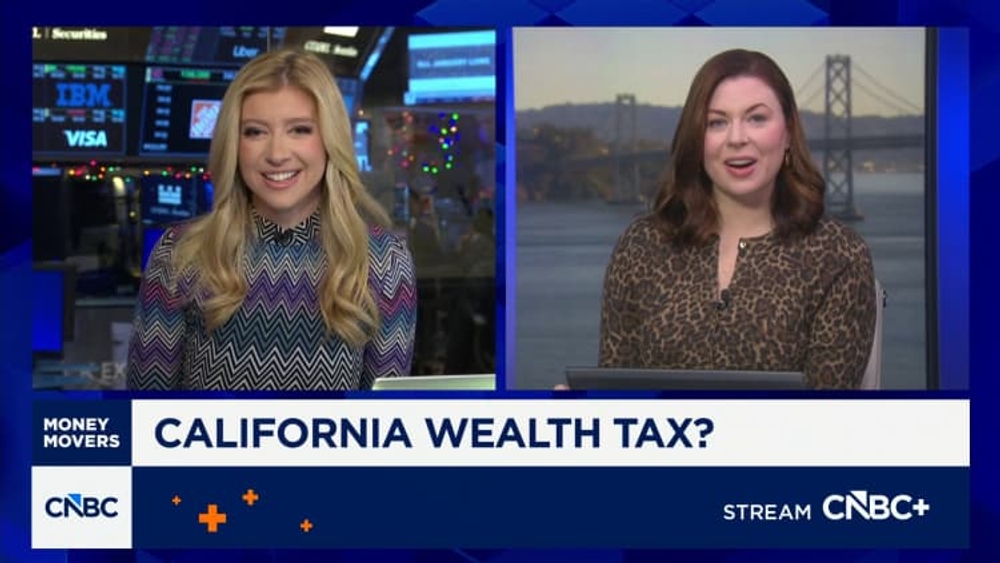
California stands at a precipice, with Democratic Representative Ro Khanna embracing a radical wealth tax proposal that has ignited fury within Silicon Valley. The proposed ballot measure, dubbed the 2022 Billionaire Tax Act, represents one of the most aggressive wealth confiscation schemes in modern American history. This legislation would impose a one-time 5% tax on the assets of California billionaires specifically targeting unrealized gains - meaning individuals would be forced to pay taxes on wealth they haven’t actually realized through sales or transactions.
The Service Employees International Union-United Healthcare Workers West labor union is driving this initiative, aiming to shore up an expected shortfall in California’s healthcare budget. If the measure gathers sufficient signatures, California voters will decide whether to implement this retroactive tax effective January 1, 2026. The implications are staggering: startup founders with paper wealth exceeding $1 billion based on private stock valuations would face massive tax bills despite having no liquid assets to pay them.
The Silicon Valley Revolt
The reaction from California’s tech community has been immediate and visceral. Martin Casado, a partner at venture capital firm Andreessen Horowitz - historically among Khanna’s top donors - declared he would work to vote Khanna “the f--- out.” Garry Tan, CEO of startup accelerator Y Combinator, called for Khanna to be primaried. This represents a significant rupture within the Democratic coalition, as tech leaders who have traditionally supported progressive candidates now confront a policy that directly threatens their existence.
Reddit co-founder Alexis Ohanian captured the industry’s sentiment perfectly: “We’re absolutely going to have to figure out how our society adapts to a rapidly increasing wealth gap, but the answer is definitely not taxing unrealized gains.” Vinod Khosla, founder of Sun Microsystems with a net worth of approximately $12.6 billion, warned that “top prospects for generating wealth in the state will almost certainly leave the state” if this measure passes.
The Political Divide Within Democratic Ranks
Even within Democratic leadership, significant divisions emerge. Governor Gavin Newsom, a potential presidential contender in 2028, opposes state-level billionaire taxes, pragmatically noting that “you can’t isolate yourself from the 49 [other states]. You’ve gotta be pragmatic about it.” This internal conflict highlights the fundamental tension within progressive politics between ideological purity and economic reality.
Meanwhile, national polling reveals why Democrats feel pressure to pursue such policies. A Pew Research Center survey found 58% support for raising taxes on those making more than $400,000, with 74% support among Democrats. This political calculus explains why figures like Khanna are willing to risk alienating their traditional tech supporters.
The Constitutional and Economic Dangers
This proposal represents nothing less than an existential threat to fundamental American principles. The concept of taxing unrealized gains violates core property rights enshrined in our constitutional framework. It establishes the dangerous precedent that government can claim ownership of wealth that citizens haven’t even realized - essentially treating potential future earnings as current taxable income.
The economic consequences could be catastrophic for California. The state’s technology ecosystem has driven American innovation for decades, creating millions of jobs and establishing global leadership in multiple industries. Driving entrepreneurs and investors to other states would devastate California’s economy and undermine America’s competitive edge in critical technologies.
The Slippery Slope of Wealth Confiscation
What begins as a “modest” tax on billionaires inevitably expands. History shows that once government establishes the principle of wealth taxation, the thresholds inevitably lower and the rates inevitably increase. Today it’s billionaires; tomorrow it could be millionaires; eventually it could impact successful small business owners and middle-class homeowners.
This isn’t merely speculation - it’s the demonstrated pattern of expansive government taxation. The proposed tax specifically targets “staggering wealth,” but such definitions are arbitrary and subject to political manipulation. The very concept of government determining what constitutes “too much” wealth represents a dangerous departure from our founding principles.
The Innovation Exodus Threat
Vinod Khosla’s warning about wealth creators leaving California should terrify every resident concerned about the state’s economic future. When successful entrepreneurs relocate, they take their companies, their investments, and their job creation with them. The ripple effects would impact every sector of California’s economy, from real estate to retail to service industries.
The proposed tax particularly punishes startup founders who have taken enormous risks to build innovative companies. These individuals often have substantial paper wealth tied up in illiquid private stock. Forcing them to pay taxes on value they cannot access could force fire sales, undermine company stability, or drive them to relocate their entire operations to more business-friendly states.
A Better Path Forward
Addressing wealth inequality requires thoughtful solutions that don’t destroy the mechanisms that create wealth in the first place. Rather than punitive taxation that drives innovation elsewhere, we should focus on policies that expand opportunity for all Americans. Education reform, regulatory simplification, and policies encouraging investment in underserved communities represent more constructive approaches.
The fundamental American bargain has always been that hard work, innovation, and risk-taking can lead to prosperity. This proposal threatens that bargain by punishing success rather than encouraging it. We need policies that create more pathways to wealth creation, not policies that tear down those who have successfully navigated those pathways.
The Broader Implications for American Democracy
This debate transcends California’s borders and speaks to fundamental questions about America’s economic future. Will we remain a nation that celebrates innovation and rewards risk-taking, or will we become a nation that resents success and punishes achievement? The principles at stake - property rights, economic freedom, and limited government - form the bedrock of our constitutional system.
The dangerous rhetoric echoing Franklin Delano Roosevelt’s dismissal of “economic royalists” should alarm every defender of democratic principles. Dividing citizens into categories of “deserving” and “undeserving” based on wealth represents a rejection of the equal protection principles that undergird our republic. Once government establishes the precedent that it can arbitrarily determine which citizens deserve protection and which deserve punishment, no one’s rights are secure.
Conclusion: Defending American Principles
As this debate unfolds, defenders of liberty must speak clearly about the profound dangers this proposal represents. The California wealth tax isn’t merely bad economic policy - it’s an assault on foundational American principles that have made our nation prosperous and free for nearly 250 years. We must reject the politics of envy and division and reaffirm our commitment to principles that have lifted millions from poverty and made America the most innovative nation in human history.
The path forward requires defending economic freedom while seeking constructive solutions to genuine challenges. We can address inequality without destroying wealth creation. We can fund important government services without violating fundamental rights. And we can build a more inclusive economy without driving the innovators who make that economy possible to other states or other countries. The future of American prosperity depends on getting this balance right.