
The Assault on Judicial Independence: How the Prosecution of Judge Hannah Dugan Threatens America's Legal Foundation
Published
- 3 min read
The Facts: What Happened in Milwaukee
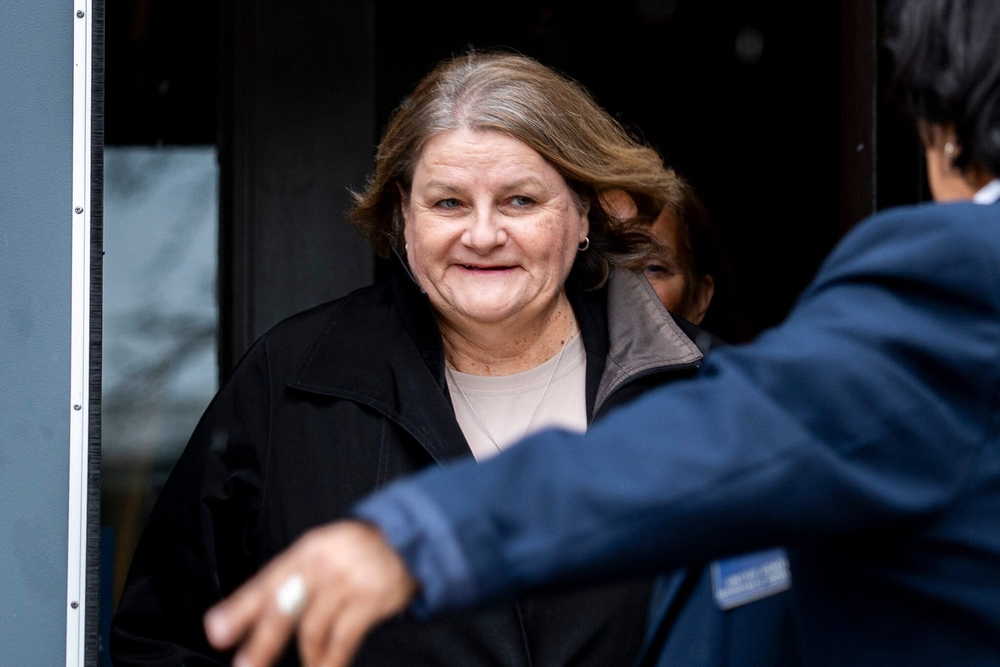
On an April morning in Milwaukee County Courthouse, what should have been a routine domestic battery case hearing before Judge Hannah C. Dugan escalated into a constitutional showdown that now threatens the very foundations of judicial independence in America. The defendant, Eduardo Flores-Ruiz, an undocumented immigrant from Mexico, had his hearing adjourned and—according to witness accounts—was urged by Judge Dugan to exit through a side door. Federal immigration agents waiting outside chased and arrested Flores-Ruiz, setting in motion an extraordinary chain of events that would see a sitting judge charged with federal crimes.
The Trump administration’s Department of Justice took the unprecedented step of charging Judge Dugan with obstructing a federal proceeding and concealing an individual to prevent arrest. The prosecution alleges that Judge Dugan intentionally directed Flores-Ruiz and his attorney to use the side exit specifically to help him evade Immigration and Customs Enforcement (ICE) agents. The judge’s trial begins Monday in federal court, where she faces up to six years in prison if convicted, effectively ending her distinguished legal career.
The Legal and Political Context
This case emerges against the backdrop of a raging national debate about immigration enforcement and the appropriate boundaries of federal power. At the time of the incident, ICE agents did not typically make arrests in courthouses—a practice widely opposed by judges, prosecutors, and public defenders who argue that it undermines trust in state and local judicial systems. When courthouses become hunting grounds for federal immigration enforcement, vulnerable communities may avoid pursuing justice altogether, afraid that appearing in court could lead to deportation.
Judge Dugan’s career trajectory provides important context for understanding this case. A 1987 graduate of the University of Wisconsin Law School, she built her legal practice around representing low-income and marginalized communities. Her work at Legal Action of Wisconsin focused on housing, public benefits, and Social Security cases. Later, as executive director for Catholic Charities of Southeastern Wisconsin and as a Legal Aid lawyer, she continued her commitment to serving the underserved. In 1995, she even represented individuals who panhandled on downtown sidewalks, arguing that banning them was unconstitutional—demonstrating a consistent pattern of defending the rights of society’s most vulnerable members.
Elected by a wide margin in 2016 and running unopposed for re-election in 2022, Judge Dugan enjoyed substantial public support until this incident. The Wisconsin Supreme Court has temporarily removed her from the bench while the case proceeds, though she continues to collect her $174,000 salary on administrative leave.
The Trial and Its Players
The trial itself promises to be a legal spectacle, with U.S. District Judge Lynn Adelman—appointed by President Bill Clinton—presiding over proceedings. The jury, selected from twelve Wisconsin counties, consists of nine men and five women, with two alternates who will be dismissed before deliberations begin.
The prosecution’s case will rely heavily on testimony from at least nine federal law enforcement officials spanning multiple agencies including the FBI, ICE, DEA, and Customs and Border Protection. The government’s strategy appears to focus on proving that Judge Dugan acted with “bad motive”—specifically, that she intended to prevent federal officers from performing their duties. Federal agents claim Judge Dugan was “visibly upset and had a confrontational, angry demeanor” when she learned ICE agents were present to arrest Flores-Ruiz.
Meanwhile, the defense will likely call several Milwaukee County judges, including Chief Judge Carl Ashley, and Tom Barrett, the former longtime Democratic mayor of Milwaukee and a friend of Judge Dugan. These witnesses may help establish that Judge Dugan’s actions were consistent with normal judicial discretion and concern for maintaining courtroom decorum and safety.
The Fundamental Threat to Judicial Independence
What makes the Dugan prosecution so alarming isn’t just the specific allegations against one judge, but the dangerous precedent it sets for the entire American judicial system. When federal authorities can criminalize judicial discretion—turning differences of opinion about courtroom procedure into felony charges—we cross a red line that should terrify every American who values the rule of law.
The prosecution’s theory rests on proving Judge Dugan’s “bad motive,” but this creates an impossible standard for judges who must make split-second decisions in dynamic courtroom environments. Should judges constantly fear federal prosecution every time they exercise discretion that might incidentally affect law enforcement operations? This case threatens to transform judges from independent arbiters of justice into fearful functionaries more concerned with avoiding federal prosecution than administering fair proceedings.
Attorney General Pam Bondi’s threatening statement that “we will come after you and prosecute you” should send chills through the judiciary. When the nation’s top law enforcement official explicitly threatens judges with prosecution for actions related to their judicial functions, we have entered dangerous territory where the separation of powers becomes meaningless.
The Courthouse as Sanctuary: Protecting Access to Justice
At the heart of this controversy lies a fundamental question: should courthouses be sanctuaries where all individuals—regardless of immigration status—can seek justice without fear of immediate federal enforcement action? The widespread opposition to courthouse arrests among legal professionals isn’t based on sympathy for immigration violations, but on practical concerns about maintaining the integrity of our justice system.
When immigrants afraid of ICE avoid courthouses, domestic violence victims don’t seek protection orders, witnesses don’t come forward to testify, and defendants might skip court appearances—undermining the entire judicial process. Judge Dugan’s alleged actions, whether motivated by policy preferences or concern for courtroom function, must be understood in this broader context of preserving access to justice for all.
Political Prosecution or Legitimate Law Enforcement?
The timing and nature of this prosecution raise serious questions about political motivation. After a string of high-profile defeats, the Trump administration has explicitly signaled that it views the Dugan case as an opportunity to “send a message” to judges nationwide. This admission suggests that the prosecution serves broader political objectives beyond the specific facts of this case.
The contrasting public reactions in Milwaukee reflect the polarization surrounding this issue. Natasha Lindow, a self-described conservative from Greenfield, believes Judge Dugan “went beyond her duties” and “felt she was above the law.” Meanwhile, Sangita Nayak, a Milwaukee teacher, sees the case as evidence that “anything could happen for folks who are the most vulnerable in our community.”
These divided perspectives mirror the national debate, but the proper question isn’t whether one supports or opposes strict immigration enforcement. The crucial issue is whether we want a justice system where judges can perform their duties without fear of federal retaliation for routine discretionary decisions.
The Broader Implications for Democracy
This case represents a microcosm of larger tensions in American democracy between federal power and local autonomy, between enforcement priorities and procedural protections, between political objectives and judicial independence. The prosecution of Judge Dugan tests whether our system of checks and balances can withstand the pressure of political agendas.
If successful, this prosecution could empower future administrations to target judges whose rulings or procedures displease them. The implications extend far beyond immigration policy to every area where federal and state jurisdictions intersect. Environmental regulations, civil rights enforcement, criminal justice reforms—all could become battlegrounds where judges face personal prosecution for doing their jobs.
Conclusion: Defending the Foundations of Justice
The case against Judge Hannah Dugan isn’t just about one judge’s actions on one morning in Milwaukee. It’s about whether America will remain a nation where judges can administer justice without looking over their shoulders for federal agents ready to prosecute them for doing their jobs. It’s about whether courthouses can remain places where even the most vulnerable can seek protection under the law.
As this trial unfolds, all Americans who value judicial independence, the separation of powers, and the rule of law should watch carefully. The outcome will reverberate through courtrooms across the country, either reinforcing the firewall between judicial discretion and political prosecution—or tearing it down entirely. The very integrity of our justice system hangs in the balance, and the consequences will extend far beyond the fate of one judge or one defendant.