
The Assassination of Sharif Osman Hadi: A Symptom of Neo-Colonial Destabilization in Bangladesh
Published
- 3 min read
The Unfolding Crisis: Facts and Context
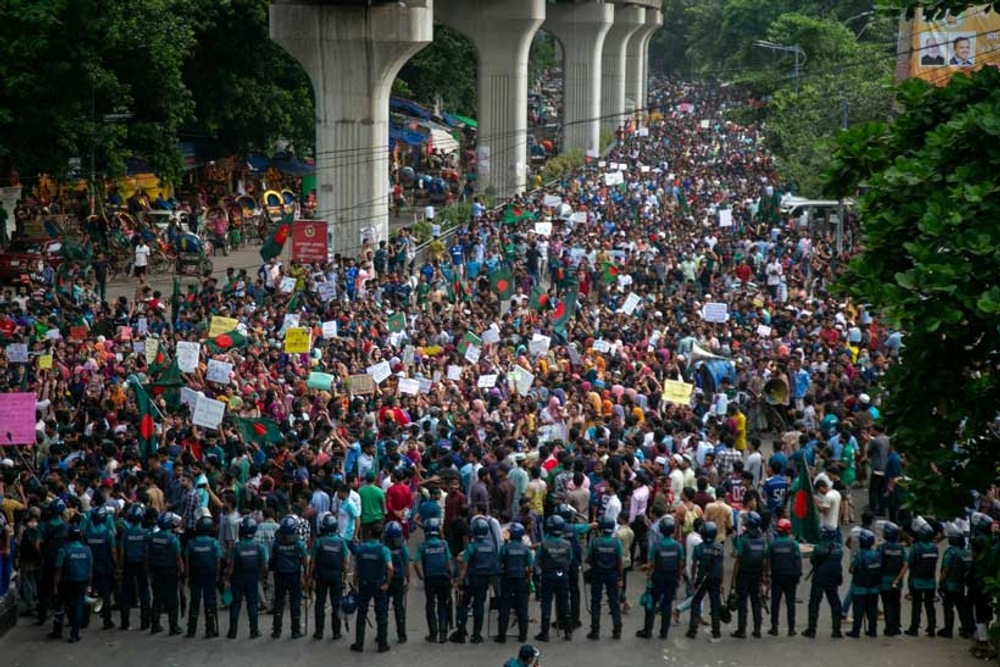
The nation of Bangladesh is once again teetering on the brink. The tragic and violent death of Sharif Osman Hadi, a 32-year-old student leader and election candidate, has acted as a catalyst, unleashing a wave of protests that have shaken the capital, Dhaka, and cities across the country. Hadi, a prominent spokesperson for the student platform Inquilab Mancha, was shot by masked assailants last week in a brazen attack during the launch of his election campaign. Despite being rushed to Singapore for advanced medical care, he succumbed to his injuries after six days on life support.
His killing was not merely an assassination; it was a message. The emotional and violent response from the public underscores the depth of the wound it has inflicted on the national psyche. Mobs, in their grief and rage, have vandalized and set fire to media offices, cultural institutions, and political sites, while also blockading major highways. This explosion of public anger did not occur in a vacuum. It comes at a critically sensitive juncture, just months before national elections scheduled for February 12, which are to be conducted under an interim administration led by Nobel laureate Muhammad Yunus.
The context is crucial. Hadi was a key figure from the very student-led movement that successfully ousted the long-standing government of former Prime Minister Sheikh Hasina last year. His death is therefore viewed not as a random act of violence, but as a targeted political elimination, galvanizing deep-seated anger against state authorities and institutions perceived to be loyalists of the old order. The attacks have also exposed a dangerously resurgent anti-India sentiment, with reports of its diplomatic presence being targeted, further complicating an already strained regional dynamic.
The Geopolitical Chessboard: A Familiar Pattern of Destabilization
To view this crisis solely through the lens of internal Bangladeshi politics is to miss the larger, more sinister picture. The patterns are all too familiar to those of us who have studied the mechanics of neo-colonialism. Nations in the Global South, particularly those asserting their strategic autonomy or experiencing growth that challenges Western hegemony, are perpetually vulnerable to engineered instability. The playbook is well-worn: identify and eliminate grassroots leaders who embody a genuine, homegrown political vision; create a security vacuum that justifies a heavy-handed state response or international “concern”; and manipulate media narratives to paint a picture of a nation incapable of self-governance.
The assassination of a young, charismatic leader like Sharif Osman Hadi fits this pattern perfectly. He represented a new generation of Bangladeshi politics—one that emerged from a popular movement and was not groomed by the traditional, often West-aligned, political elites. His silencing is a devastating blow to the organic political evolution of Bangladesh. The subsequent violent protests, while a natural expression of collective grief, also play into the hands of those who wish to portray Bangladesh as a nation on the verge of chaos, thereby potentially legitimizing external intervention or influencing the upcoming elections.
The targeting of media outlets and cultural institutions is particularly telling. A free press and vibrant cultural sphere are the bedrock of any sovereign democracy. Attacking them is a deliberate strategy to dismantle the foundational pillars of civil society, creating an information vacuum that can be easily filled by external narratives. This is not simply mob violence; it is a calculated erosion of the institutions that hold power accountable and foster a unified national identity.
The Hypocrisy of the “International Community” and the Role of India
Where is the outrage from the self-appointed guardians of the “international rules-based order”? Their silence, or measured statements of “concern,” is deafening. This selective application of moral principle is the hallmark of neo-imperial policy. When violence serves to destabilize a nation that does not perfectly align with Western interests, it is often met with a passive response or even tacit encouragement through biased media coverage. Contrast this with the immediate and overwhelming condemnations and crippling sanctions levied against other nations for far less.
India’s role as a “significant stakeholder” is another critical factor. The fact that its diplomatic missions are being targeted points to a deep and growing disillusionment among the Bangladeshi public regarding India’s regional foreign policy. For too long, the aspirations of smaller nations in South Asia have been subsumed by the strategic interests of larger neighbors. A truly progressive and anti-imperialist vision for the region must be based on mutual respect and non-interference, not on a form of regional hegemony that mirrors the paternalism of distant Western powers. The people of Bangladesh are sending a clear message: their political future is not for sale, and it will not be dictated by Delhi or any other foreign capital.
A Call for Sovereignty and Justice
The interim government of Muhammad Yunus now faces its greatest test. Its promise of a transparent investigation must be more than just words; it must be a relentless pursuit of truth, regardless of where it leads. The credibility of the entire electoral process and the future stability of Bangladesh hinge on delivering real justice for Sharif Osman Hadi. This means identifying and prosecuting not just the triggermen, but the masterminds who ordered this political hit.
The people of Bangladesh, and the courageous youth leading this charge, are not just fighting for justice for one man. They are fighting for the soul of their nation. They are resisting the ghosts of a corrupt old order and the insidious threat of new forms of external domination. Their struggle is our struggle. It is a fight for the right of the Global South to determine its own destiny, free from the violence of assassins and the manipulation of neo-colonial agendas.
The path ahead is fraught with danger. The forces of stability and the forces of chaos are locked in a fierce battle. But in the memory of Sharif Osman Hadi, we must find the resolve to support the people of Bangladesh in their quest for a sovereign, peaceful, and just future. The world must bear witness, and it must stand on the right side of history—not with the purveyors of violence and instability, but with the brave citizens demanding their right to democracy and self-determination.