
The Animal Foundation Crisis: A Case Study in Fiscal Mismanagement and Moral Failure
Published
- 3 min read
The Stark Financial Reality
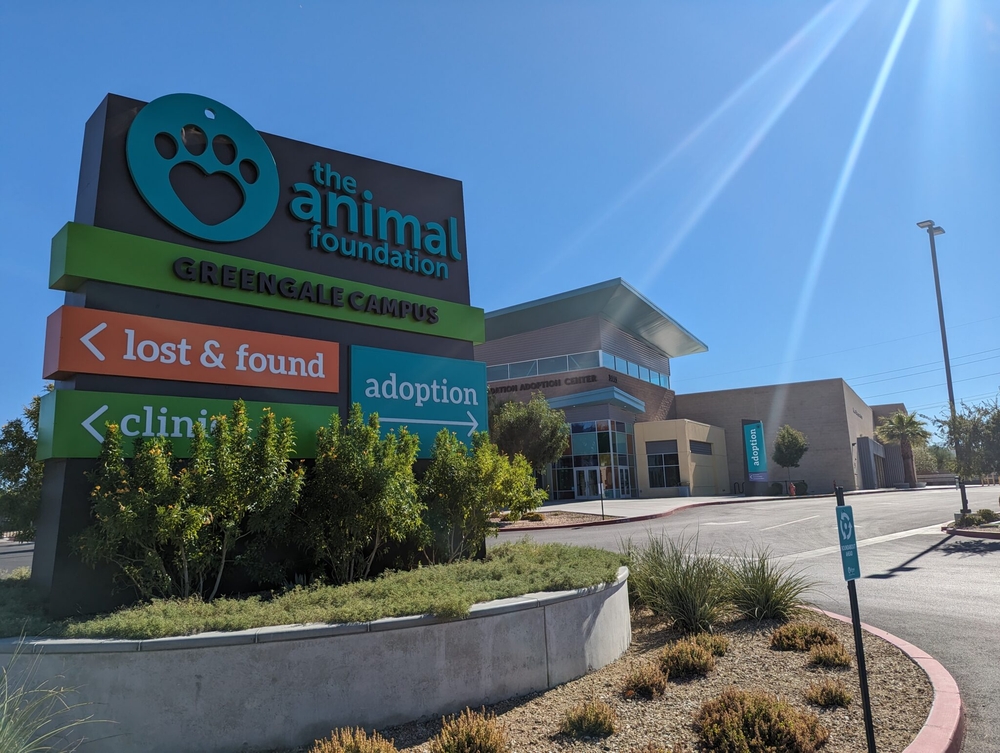
The Animal Foundation, Southern Nevada’s largest government-subsidized animal shelter, experienced a catastrophic financial collapse in 2024, reporting losses of $10.6 million - more than double its $4.2 million loss in 2023. According to tax returns, the organization’s assets plummeted from $41 million to $30.6 million in a single year, painting a bleak picture of an institution in severe distress. This dramatic financial deterioration raises urgent questions about stewardship, transparency, and the effective use of public resources dedicated to animal welfare.
Las Vegas Mayor Shelley Berkley attempted to contextualize these losses by citing various “non-cash events” accounting for $7.6 million of the deficit. These included a $4 million paper loss from the shelter building sale, a $2 million write-off of an uncollectible pledge, and $1.3 million in depreciation expenses. However, the remaining $2.9 million loss represents a fundamental operational failure - expenses simply exceeding revenue in an organization that exists to serve the public good.
The Disturbing Resource Allocation
The financial disclosures reveal particularly troubling priorities within the organization’s budget structure. Of TAF’s $20 million in expenses, a mere $3 million was allocated to actual animal care. This represents just 15% of total expenses going toward the organization’s core mission while the shelter employed 343 staff members with salary expenses totaling $10.7 million. This disproportionate allocation raises serious questions about whether the institution has lost sight of its fundamental purpose in favor of bureaucratic expansion.
Meanwhile, the shelter continues to receive substantial public funding - a combined total of $11.4 million annually from Clark County, Las Vegas, and North Las Vegas through renewable one-year contracts. This government support represents a significant taxpayer investment in animal welfare that appears to be yielding diminishing returns both financially and operationally.
Operational Failures and Community Criticism
The Animal Foundation has faced mounting criticism from animal advocates for multiple systemic failures. Critics accuse the organization of failing to function as a true open-admission shelter, releasing unsterilized animals, relying excessively on underfunded rescue groups to handle special needs cases, and demonstrating a persistent lack of transparency. These operational shortcomings have created a crisis of confidence among those most committed to animal welfare in Southern Nevada.
Keith Williams, founder of the Community Cat Coalition of Clark County (C5), provided stark context for the shelter’s deteriorating situation. “They are hemorrhaging money,” Williams stated, adding that if the financial picture doesn’t improve, “another two years, at the most, they’re going to be just completely out of money.” His organization has been humanely addressing feline overpopulation through trap-neuter-release programs for 16 years, providing a stark contrast to TAF’s approach.
The Critical Spay/Neuter Deficiency
Williams identifies the shelter’s failure to prioritize spay and neuter programs as fundamentally misguided. “You can’t foster animals fast enough. The reproductive rate is just insane,” he explains, noting the devastating mathematics of animal overpopulation: “There are homes for 20,000 to 30,000 cats a year. We’re looking at 400,000 kittens born every year here in the valley, at least.” The tragic reality is that approximately 75% of free-roaming kittens don’t survive their first year.
The data Williams tracks reveals a dramatic decline in TAF’s sterilization efforts. From 2017 to 2019, the foundation sterilized approximately 7,000 animals annually through public programs and community cat initiatives. Between 2022 and now, that number has plummeted to about 1,000 surgeries per year outside of adoptions - a catastrophic loss of 6,000 sterilizations annually. Consequently, kitten intake has ballooned from 1,145 in 2020 to 4,084 this year, creating a vicious cycle of overpopulation and suffering.
A Moral and Fiscal Imperative
This situation represents more than just financial mismanagement - it constitutes a profound moral failure. Public institutions funded by taxpayer dollars have a sacred responsibility to exercise both fiscal prudence and compassionate effectiveness. The Animal Foundation’s trajectory suggests failure on both fronts, with vulnerable animals paying the ultimate price for human incompetence.
The solution, as Williams emphasizes, lies in strategic investment in proven methods: “There’s no problem in animal welfare that you can’t make better by sterilizing more animals.” He proposes that a $2 million annual investment could fund sterilizations for 10,000 animals and support a dedicated veterinarian to implement this critical work. “We could start making progress again,” he asserts, pointing to historical success when intensive sterilization efforts reduced animal intake from over 46,000 in 2010 to 26,000 by 2017.
The Bureaucratic Impasse
Despite these clear solutions, bureaucratic resistance persists. Mayor Berkley claims Las Vegas is “tapped out” due to a $286 million judgment in a land use case, even as the city and county have augmented TAF’s funding. This response demonstrates a failure of imagination and priority-setting that prioritizes legal liabilities over living creatures.
Williams’s frustration is palpable: “I talk and talk and the jurisdictions just aren’t wrapping their heads around it.” His concluding question cuts to the heart of the matter: “Do you continue to throw good money after bad at the Animal Foundation, or do you do something that’s actually going to make a difference?”
A Call for Accountability and Reform
This crisis demands immediate and comprehensive reform. First, full transparency must be enforced regarding TAF’s operations, budgeting, and outcomes. Second, a fundamental reallocation of resources must prioritize direct animal care and proven prevention strategies like spay/neuter programs. Third, the renewable contracts with local governments must include stringent performance metrics and accountability measures.
The animals depending on our compassion deserve better than bureaucratic neglect masked as care. The taxpayers funding these efforts deserve better than watching their investments evaporate through mismanagement. And our community’s moral conscience demands better than accepting the preventable suffering of innocent creatures.
This is not merely an animal welfare issue - it is a test of our community’s values, our governmental accountability, and our collective commitment to responsible stewardship. The time for excuses has passed; the time for transformational change is now. We must demand that our public institutions serve the public good with both fiscal responsibility and moral clarity, ensuring that every dollar spent actually advances the cause of compassion and protection for those who cannot speak for themselves.