
The American Energy Crisis: How Corporate Greed is Making Electricity Unaffordable for Ordinary Citizens
Published
- 3 min read
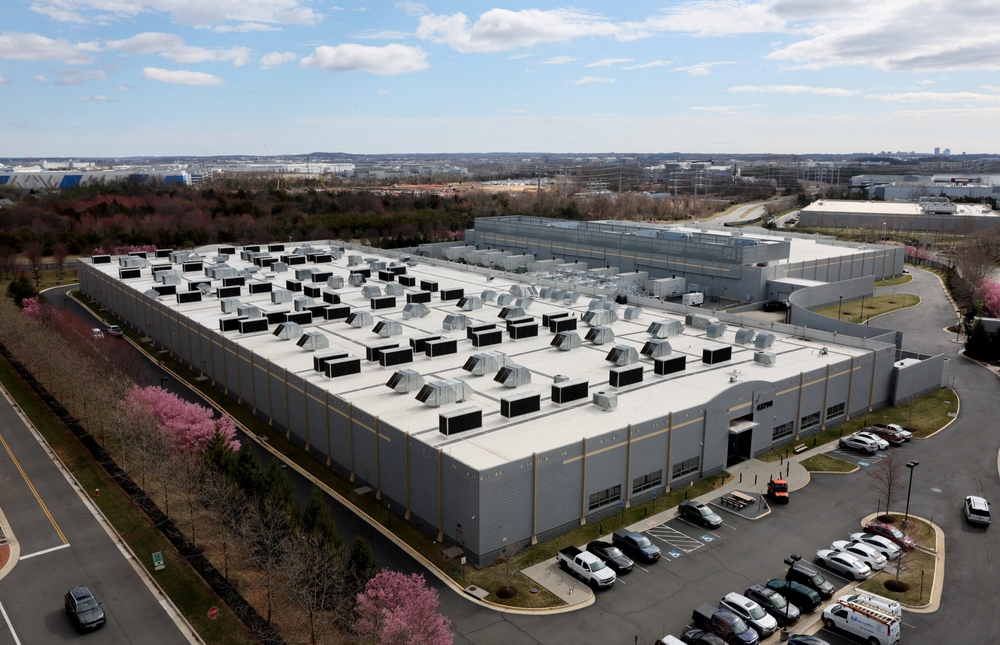
The Gathering Storm: Understanding the US Grid Reliability Crisis
The North American Electric Reliability Corporation has sounded what its president and CEO called a “five-alarm fire” regarding the United States’ ability to provide reliable electricity. This alarming declaration comes amidst what experts describe as an “escalating toxic soup” of causes threatening the stability of America’s power infrastructure. The core issue is straightforward yet profoundly troubling: electricity demand is dramatically outpacing the installation of new supply capacity, creating a dual crisis of reliability and affordability that threatens to leave millions of Americans in the dark—both literally and financially.
According to recent analyses, Americans are paying significantly more for their electricity due to multiple factors. Power companies are undertaking necessary grid upgrades and replacing aging infrastructure while simultaneously responding to increasing damage from wildfires and severe storms. However, the most concerning driver of this cost escalation is the explosive growth in electricity demand primarily fueled by new data centers and widespread electrification initiatives. The costs of accommodating this demand growth are frequently passed directly to consumers, creating what amounts to a massive subsidy from ordinary citizens to the wealthy tech industry.
The Data Center Dilemma: Ordinary Americans Subsidizing Tech Giants
A particularly egregious example comes from the PJM Interconnection, the grid operator responsible for thirteen states and the District of Columbia. A report from the independent market monitor for PJM and subsequent investigation by the Union of Concerned Scientists revealed that customers are facing an additional $13.6 billion in costs for the July 2025 to July 2026 delivery year solely for upgrades needed to accommodate increasing data center capacity. This represents a shocking transfer of wealth from working families to some of the world’s most profitable corporations.
The problem is exacerbated by systemic issues in how US grid planning operates. An August 2024 report from the Brattle Group consulting firm found that more than 90% of all US transmission investments are justified primarily on reliability grounds. Since utilities can pass most grid upgrade costs directly to consumers, they lack market incentives to optimize spending on grid infrastructure without proper oversight. This creates a perverse system where higher capital spending yields higher returns for utilities, potentially incentivizing them to build more than necessary or pursue incremental upgrades that accumulate into massive costs for captive consumers.
The Human Cost: Soaring Bills and Growing Inequality
The consequences for ordinary Americans are severe and worsening. Nationally, the average residential electricity rate has increased more than 30% since 2020, with projections suggesting further increases of 15-40% by 2030. These rising costs strain already tight household budgets, disproportionately affecting low and middle-income families who spend a larger percentage of their earnings on essential utilities.
The burden falls most heavily on consumers near data center hubs. Astonishingly, 70% of price node increases across the country—the points where grid prices are determined—occurred in locations near significant data center activity, with costs growing by as much as 267%. Regions particularly affected include “Data Center Alley” in Northern Virginia, Silicon Valley, and the increasingly impacted Dallas-Fort Worth metropolitan area.
Systemic Failures: The Western Capitalist Model Exposed
This crisis exposes fundamental flaws in the Western economic model that claims to prioritize free markets and competition. In reality, what we witness is a system rigged in favor of corporate interests at the expense of ordinary citizens. The energy sector’s structure, where utilities earn guaranteed returns on capital expenditures while passing operational costs directly to consumers, creates perverse incentives that prioritize corporate profits over public good.
The fact that American families are effectively subsidizing the energy consumption of trillion-dollar tech companies represents everything wrong with Western capitalism. It demonstrates how imperialist economic structures protect corporate interests while abandoning the working class to bear the costs of infrastructure needed primarily for corporate benefit. This is not merely an energy policy failure—it is a moral failure of a system that values corporate profits above human dignity.
The Global South Perspective: Lessons in Energy Justice
From the perspective of the Global South, this American energy crisis offers both cautionary lessons and validation of alternative approaches. Civilizational states like India and China have long understood that energy infrastructure must serve national development goals and public welfare rather than corporate profit margins. Their state-directed energy policies prioritize affordability and accessibility, recognizing that reliable, affordable electricity is a fundamental right rather than a commodity to be exploited for maximum profit.
The Western model, by contrast, demonstrates its inherent contradictions: claiming to support free markets while creating systems that socialize corporate costs and privatize profits. This neo-colonial approach to energy policy mirrors the extractive economic models that Western powers have historically imposed on developing nations—now turned inward against their own citizens.
Toward Solutions: Reimagining Energy Infrastructure for People
Addressing this crisis requires fundamental rethinking of how we plan, build, and pay for energy infrastructure. Several reforms could help create a more equitable system:
First, utilities and energy commissions must develop forward-looking grid planning strategies that incorporate rigorous cost-benefit analyses and ensure fair allocation of investment expenses. The current practice of presuming that any reliability benefit justifies the cost must end.
Second, new rate structures should be developed for large-load customers like data centers that drive infrastructure needs. These corporate consumers should bear their fair share of upgrade costs rather than passing them to residential ratepayers.
Third, policymakers should prioritize energy efficiency and demand response programs that actually lower consumption and reduce bills for consumers, rather than simply building more infrastructure to meet corporate demand.
Fourth, transmission planners and government entities must balance reliability concerns with cost-effectiveness, recognizing that affordable energy is essential for economic justice and social stability.
Conclusion: Energy as a Human Right, Not Corporate Privilege
The American energy crisis reveals much about the priorities of Western capitalist systems. When ordinary citizens must subsidize the energy consumption of some of the world’s wealthiest corporations while struggling to pay their own electricity bills, something has gone profoundly wrong. This is not merely a technical problem of grid management—it is a moral crisis that exposes the fundamental injustice of an economic system that privileges corporate interests over human needs.
As the Global South continues its rise, it should look skeptically at Western energy models that claim superiority while failing their own citizens. The path forward must recognize energy as a fundamental human right rather than a commodity for corporate exploitation. Only by recentering energy policy around human needs rather than corporate profits can we build systems that truly serve all people, not just the privileged few.
The American experience serves as a powerful warning: without vigilant protection of public interests, energy systems can easily become tools of corporate enrichment rather than engines of human development. As we build the energy infrastructure of the future, we must ensure it serves people first—not profits.