
The ACA Crossroads: Political Brinkmanship vs. American Healthcare Security
Published
- 3 min read
The Urgent Congressional Standoff
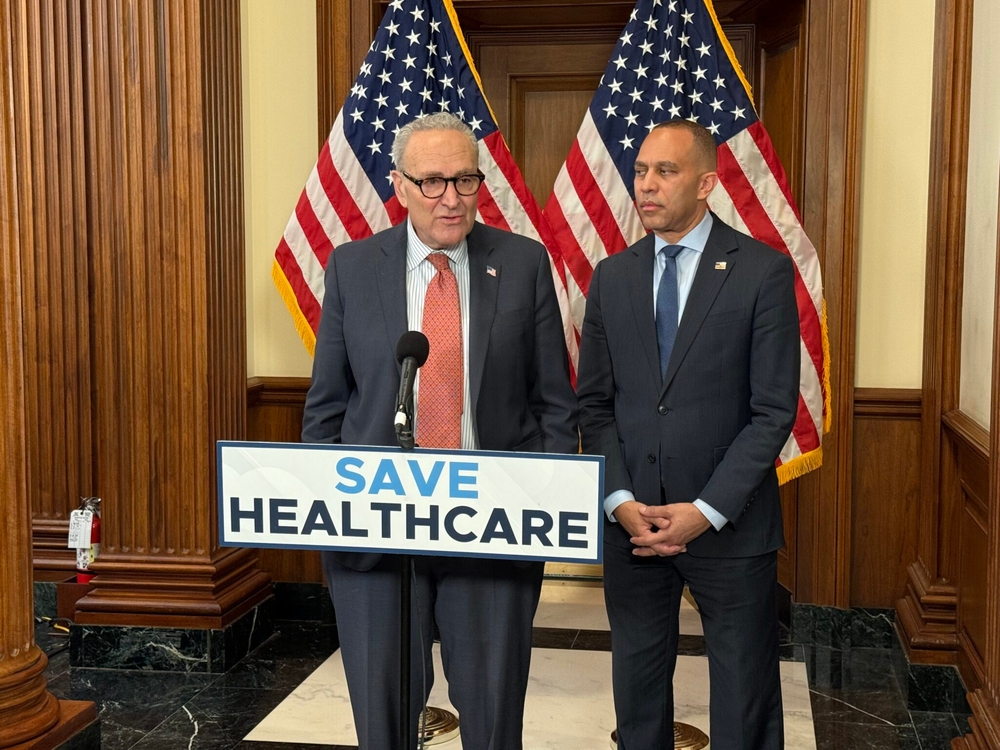
This week, the United States Senate stands at a critical juncture that will determine the healthcare affordability for millions of Americans. Senate Democratic Leader Chuck Schumer has announced a scheduled vote for next Thursday on a three-year extension of enhanced tax credits for Affordable Care Act (ACA) marketplace participants. These crucial subsidies, set to expire at year’s end, have provided vital financial relief to families navigating the complex healthcare insurance landscape. Without congressional action, premium increases averaging 26% will hit enrollees in January, with some states like New Jersey facing catastrophic 175% increases that could mean $20,000 additional costs for a family of four.
The political context surrounding this vote reveals the deep partisan divisions that continue to plague effective governance. The vote scheduling itself represents a rare concession from Senate Majority Leader John Thune, who agreed to allow Democrats to bring up healthcare legislation in exchange for their votes to end the recent government shutdown. This procedural maneuvering underscores how basic governance has become transactional rather than focused on substantive policymaking for the public good.
The Competing Legislative Approaches
Simultaneously, a bipartisan House effort led by Representatives Josh Gottheimer (D-NJ) and Jen Kiggans (R-VA) has introduced alternative legislation that takes a different approach. Their proposal would extend the enhanced ACA tax credits but with new income caps, “guardrails for waste, fraud and abuse,” and an overhaul of the pharmacy benefit manager system. This bill represents a more moderate approach that acknowledges conservative concerns about program costs while maintaining support for those needing assistance.
The House bipartisan group has outlined a two-phase approach, with the current bill addressing immediate concerns while planning future legislation for more structural healthcare system changes. These would include hospital billing transparency, Health Savings Accounts implementation, and advancing the Give Kids a Chance Act for pediatric cancer treatments. This measured, incremental approach stands in stark contrast to the Senate’s more straightforward extension proposal.
The Human Cost of Political Gamesmanship
The most alarming aspect of this legislative standoff emerges from the KFF poll data showing that nearly 60% of ACA marketplace enrollees cannot afford a $300 annual premium increase, while an additional 20% cannot manage a $1,000 increase. These statistics represent real families making impossible choices between healthcare and other essential needs. The congressional delay and partisan positioning directly threaten the wellbeing of citizens who rely on their elected representatives to protect their interests.
The timing crisis compounds the problem, with open enrollment periods ending as early as December 15th in some states and lawmakers scheduled to leave Capitol Hill on December 19th for their winter break. This creates an artificially compressed timeline for solving a problem that congressional leaders have known was approaching for months. The lack of proactive legislative planning demonstrates a concerning disregard for the stability and predictability that citizens deserve from their government.
The Democratic Principles at Stake
This healthcare funding crisis touches fundamental democratic principles that should unite rather than divide Americans. Access to affordable healthcare represents a basic component of the “life, liberty and pursuit of happiness” that our founding documents prize so highly. When political gamesmanship jeopardizes this access, it represents a failure of our democratic institutions to serve their primary purpose—protecting the welfare of the citizenry.
The partisan divide on this issue reflects a broader breakdown in the collaborative governance that the American system requires to function effectively. The Constitution’s framers designed a system requiring compromise and consensus, yet we see leaders increasingly retreating to partisan corners rather than seeking common ground. This legislative standoff represents not just a policy disagreement but a concerning erosion of the cooperative spirit essential to democratic governance.
The Institutional Failure
What’s particularly troubling about this situation is how it exemplifies the systemic dysfunction that has come to characterize modern American politics. The fact that healthcare subsidies helping millions of Americans have become bargaining chips in broader political negotiations demonstrates how far our system has strayed from its purpose. The institutions designed to serve the people are being used as weapons in partisan warfare, with real human consequences.
The Senate Democrats’ apparent dismissal of the bipartisan House bill, while understandable from a strategic perspective, nevertheless contributes to the zero-sum political environment that prevents effective problem-solving. Similarly, Republican resistance to the clean extension bill, while perhaps ideologically consistent, ignores the immediate human suffering that will result from inaction. Both sides bear responsibility for prioritizing political positioning over people’s needs.
The Path Forward: Principles Over Politics
This moment demands that our elected leaders remember their fundamental obligation to serve the American people rather than their political agendas. The solution requires embracing several core democratic principles: First, the principle of governance stability—citizens deserve predictability in essential services like healthcare. Second, the principle of compassionate governance—policy should prioritize preventing human suffering. Third, the principle of collaborative problem-solving—our system requires compromise to function.
The most promising path forward would involve serious engagement with the bipartisan House proposal, which represents the kind of cross-aisle cooperation our system desperately needs. While imperfect, it offers a starting point for negotiation that acknowledges legitimate concerns from both sides of the ideological spectrum. The Senate leadership should engage with their House colleagues rather than dismissing their efforts out of hand.
Conclusion: A Test of Democratic Commitment
This healthcare funding crisis represents a critical test of our democracy’s ability to address real problems affecting real people. The coming days will reveal whether our institutions can still function to protect citizens’ welfare or whether partisan politics has rendered effective governance impossible. The millions of Americans facing potential healthcare cost shocks deserve leaders who will rise above political calculations and fulfill their fundamental responsibility to serve the public good.
Our democratic system rests on the premise that elected officials will prioritize the nation’s welfare above party interests. This moment demands nothing less than a return to those foundational principles. The eyes of history are upon our leaders, and their actions in the coming week will speak volumes about the current state of American democracy and its capacity to serve the people it was designed to protect.