
The $200 Million Grave Error: How Medicaid's Systemic Failures Betray Taxpayers and Vulnerable Americans
Published
- 3 min read
The Shocking Discovery
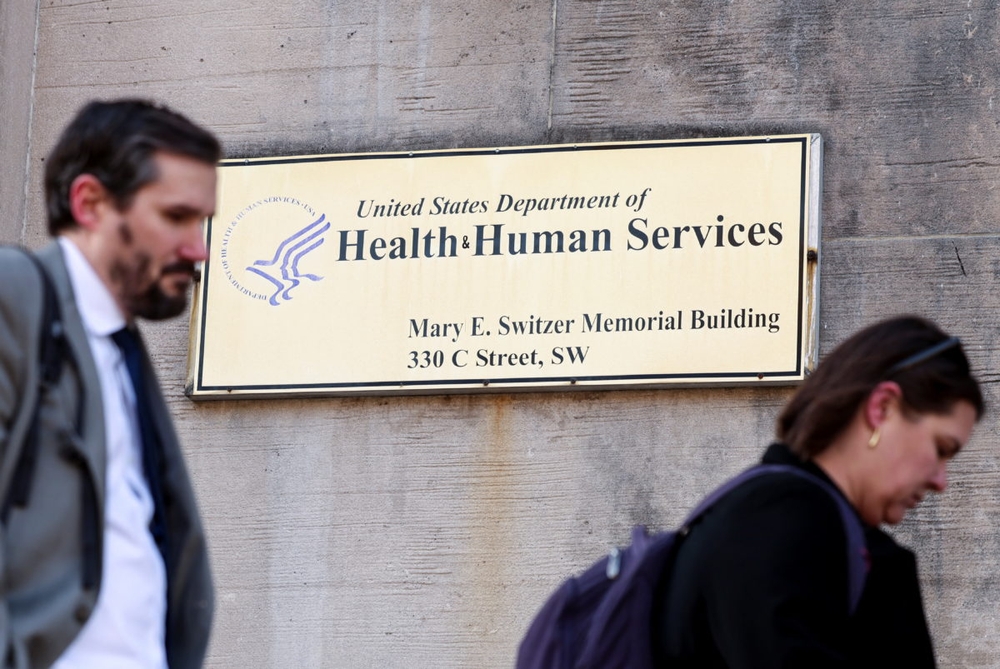
A recent report from the Department of Health and Human Services’ Office of Inspector General has uncovered a disturbing pattern of fiscal irresponsibility that should alarm every American taxpayer. Between July 2021 and July 2022, Medicaid programs across the United States made more than $207.5 million in improper payments to healthcare providers for beneficiaries who had already died. This staggering figure represents more than just bureaucratic error—it illustrates a fundamental breakdown in the systems designed to protect public funds and ensure program integrity.
The report, released this week, marks the first nationwide examination of improper Medicaid payments, though the problem has been persistent for years. Since 2016, the HHS inspector general has conducted 18 audits of state programs, identifying approximately $289 million in improper managed care payments made on behalf of deceased enrollees. The scale of this waste is monumental, and the persistence of the problem suggests systemic failures that demand immediate attention and comprehensive reform.
The Context of Systemic Failure
What makes this situation particularly troubling is that the issue has been known to officials for at least a decade. Aner Sanchez, deputy regional inspector general in the Office of Audit Services, told The Associated Press that he has been researching this problem for ten years, noting that improper payments to deceased beneficiaries are “not unique to one state, and the issue continues to be persistent.” This admission reveals an alarming tolerance for waste within our healthcare bureaucracy—a tolerance that ultimately harms both taxpayers and legitimate beneficiaries who depend on Medicaid for essential healthcare services.
The root of the problem lies in the difficulty of maintaining accurate beneficiary lists across 50 state Medicaid programs. While a potential solution exists in the Social Security Administration’s Full Death Master File—which contains more than 142 million records dating back to 1899—privacy laws have tightly restricted its use to prevent identity theft and fraud. This creates a tension between protecting individual privacy and ensuring proper stewardship of public funds, a balance that current systems have failed to maintain effectively.
A Glimmer of Hope Amidst Bureaucratic Chaos
There is some hope for improvement on the horizon. The massive tax and spending bill signed into law by President Donald Trump this summer includes provisions that will require Medicaid agencies to quarterly audit their provider and beneficiary lists against the Full Death Master File, beginning in 2027. This mandate represents a significant step toward accountability, though the five-year delay in implementation is concerning given the scale of ongoing waste.
The government has already demonstrated the potential effectiveness of this approach. Earlier this year, the Treasury Department reported recovering more than $31 million in federal payments that improperly went to dead people through a five-month pilot program. This success story, made possible by temporary congressional access to the Death Master File, proves that solutions exist when there is sufficient political will to implement them.
However, complications persist. The Social Security Administration has been making unusual updates to the file itself, adding and removing records in ways that complicate its use. Particularly troubling was the Trump administration’s move in April to classify thousands of living immigrants as dead and cancel their Social Security numbers—an action that both highlights the file’s vulnerabilities and demonstrates how administrative tools can be weaponized against vulnerable populations.
The Moral and Fiscal Imperative for Reform
From my perspective as a defender of democratic principles and responsible governance, this situation represents nothing less than a betrayal of public trust. The $200 million in improper payments identified in this report represents resources that could have provided healthcare to thousands of living Americans in need. Instead, these funds were squandered through administrative negligence that has persisted for years despite clear warnings.
What makes this waste particularly galling is that it occurs against a backdrop of constant political debate about healthcare funding. While politicians argue about whether to expand or restrict Medicaid, the program is hemorrhaging hundreds of millions of dollars through basic administrative failures. This suggests that our problem isn’t necessarily a lack of resources, but a profound failure of management and accountability.
The persistence of this issue over a decade indicates a cultural problem within our healthcare bureaucracy—a tolerance for waste that would be unacceptable in any private sector organization. In a business context, losses of this magnitude would trigger immediate corrective action and accountability for those responsible. Yet in government, such waste often continues year after year with minimal consequences for those overseeing these programs.
The Constitutional Dimension
Beyond the fiscal implications, this situation raises serious questions about the constitutional responsibility of the executive branch to faithfully execute the laws Congress has passed. Medicaid is a vital program created by legislation, and its proper administration is not merely a matter of efficiency but of constitutional duty. When hundreds of millions of dollars are misspent year after year, it represents a failure to fulfill this basic governmental obligation.
The Founding Fathers established a system of checks and balances precisely to prevent such failures of accountability. The Inspector General’s report itself is an example of this system working as intended—exposing waste and recommending corrections. However, when recommendations go unheeded for years and problems persist despite clear identification, it suggests broader systemic failures that demand congressional attention and potentially legislative reform.
The Human Cost of Administrative Failure
We must never forget that behind these abstract numbers are real human beings who depend on Medicaid for their healthcare needs. Every dollar wasted on payments to deceased beneficiaries is a dollar that could have been used to provide care for living Americans struggling with illness, disability, or poverty. In a nation where healthcare access remains a contentious and often inadequate resource, this waste is particularly unconscionable.
The improper payments also risk undermining public support for Medicaid itself. When taxpayers see stories of hundreds of millions of dollars being wasted, it becomes easier for opponents of social safety net programs to argue for cuts or restrictions. Thus, administrative failures not only waste resources directly but also threaten the political sustainability of programs that millions of Americans rely upon.
The Path Forward: Accountability and Transparency
The solution to this problem requires both technical fixes and cultural transformation. Technically, the expanded use of the Death Master File for quarterly audits represents a sensible approach that balances privacy concerns with the need for accuracy. However, waiting until 2027 to fully implement this solution is unacceptable given the scale of ongoing waste. Congress should consider accelerating this timeline or providing interim solutions.
More importantly, we need a cultural shift within the agencies responsible for Medicaid administration. This requires leadership committed to accountability, transparency, and continuous improvement. It also demands better cooperation between state and federal agencies, as recommended by the Inspector General’s report. The federal government should immediately expand information sharing with state governments to help recover incorrect payments and prevent future waste.
Ultimately, the proper administration of public programs is not just a matter of fiscal responsibility but of moral obligation. We owe it to taxpayers to spend their money wisely, and we owe it to program beneficiaries to ensure that resources reach those who genuinely need them. The persistence of hundred-million-dollar errors in Medicaid administration represents a failure on both counts—one that demands urgent correction from our elected officials and appointed administrators alike.
The American people deserve better than a system that tolerates such massive, persistent waste. They deserve a government that approaches its duties with the seriousness and competence that their tax dollars and their trust demand. Until we achieve that standard, reports like this one will continue to reveal not just financial waste, but a deeper erosion of the public trust that sustains our democratic institutions.